

Devices
AI glasses make camera search wearable
AI glasses move visual search from a deliberate phone action to a wearable, ambient behavior. The promise is faster visual assistance: identify objects, translate signs, remember context, or answer questions about what the wearer sees. The risk is that always-available camera input also makes privacy, consent, and accuracy more important.
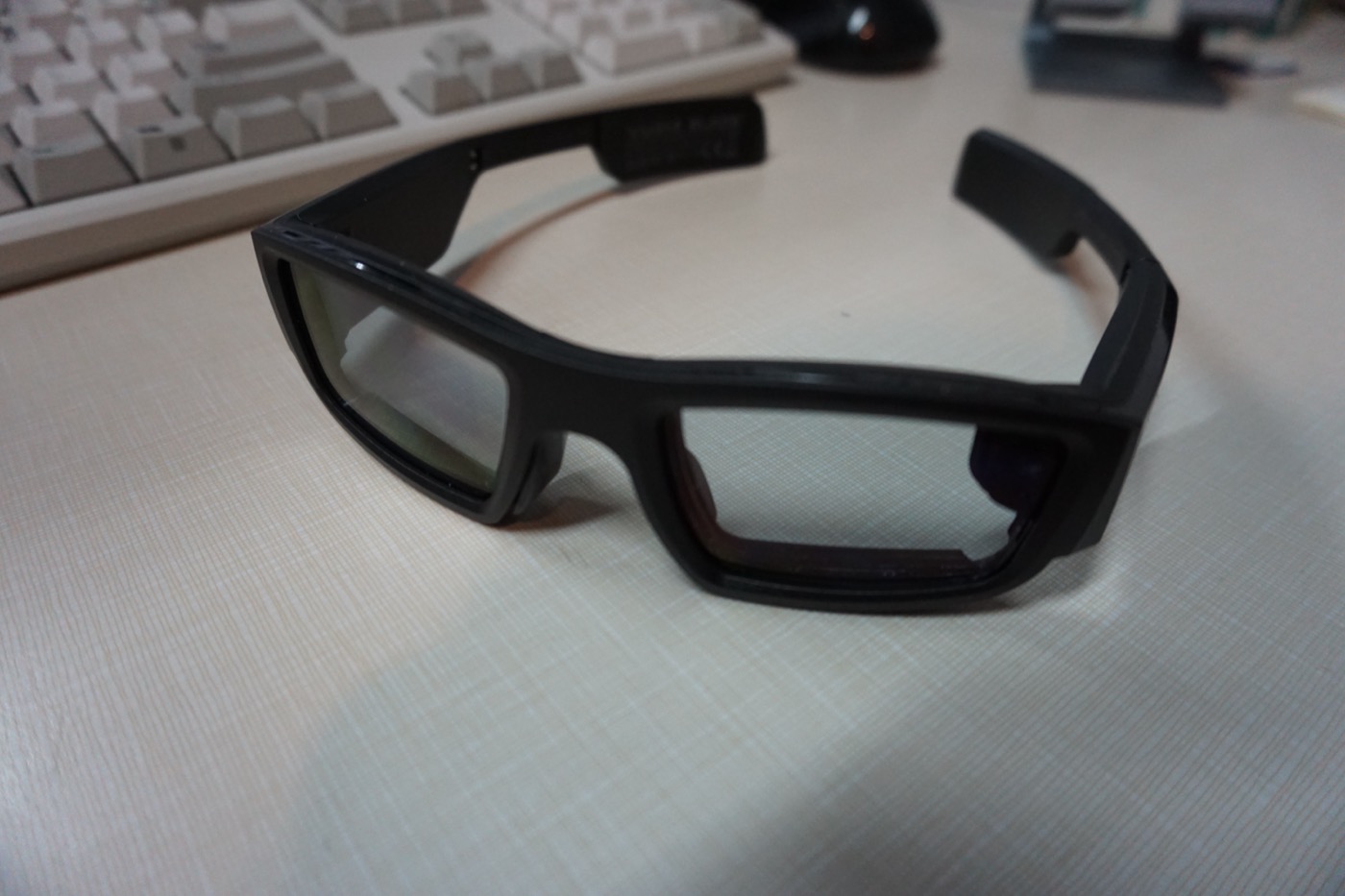
Why glasses change the query
Phone-based search begins when a user decides to take out a device. Glasses-based search can begin at the moment of seeing. That makes the interface more natural for navigation, translation, recall, accessibility, and hands-free assistance.
It also changes the burden on the assistant. A wearable system needs to understand context quickly and avoid over-answering. The best answer may be a short label, a quiet reminder, or a confidence warning rather than a long explanation.
What to watch
The competition will not be only about camera quality. It will be about latency, privacy controls, wake words, field of view, useful memory, and whether the assistant can explain uncertainty.
Why it matters for users
Wearable cameras change visual search from a deliberate phone action into a more ambient behavior. That raises usefulness questions around speed and context, but also trust questions around privacy, recording, and when the assistant should answer at all.
Evidence boundary
This article treats AI glasses as a platform signal. It does not assume that every wearable camera workflow is mature or socially acceptable.
What to watch next
The useful signal will be whether wearable visual AI can explain context without overwhelming the user. Watch for privacy controls, wake gestures, on-device processing claims, and whether answers cite what the camera actually sees.
Reader check
When comparing this signal with other visual AI news, separate three layers: what the platform announced, what a user can do today, and what still needs verification through source links or hands-on testing. That separation keeps the article useful without turning it into a product claim.
For Kaleido Field, the useful test is not whether a headset can name an object once. It is whether the interface can answer quickly, respect context, avoid private overreach, and give the user a way to verify important answers later.