

Intelligent Hardware
Also's Autonomous Delivery Funding Does Not Prove Road Readiness
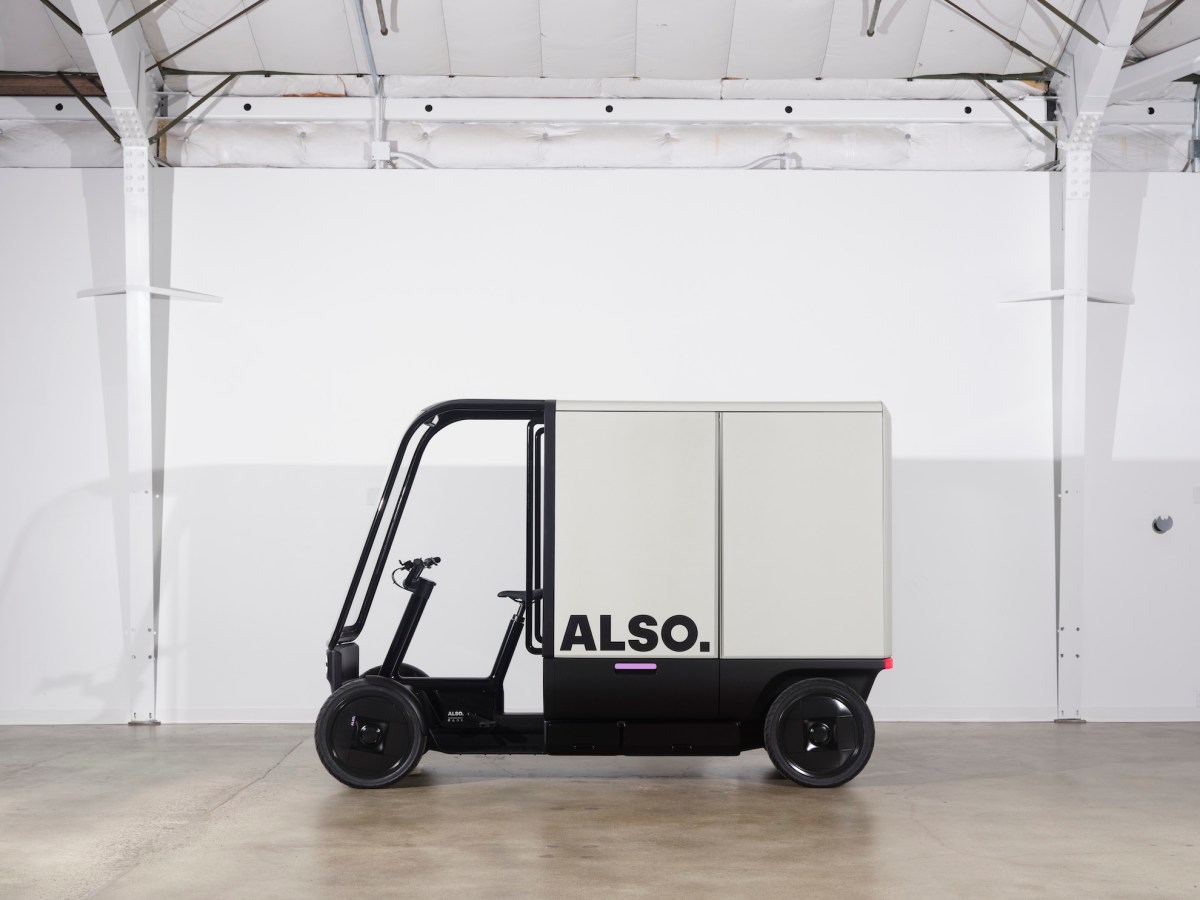
TechCrunch reported on August 19 that Also raised a $150 million Series D and plans to accelerate autonomous driving across multiple vehicle forms. The financing and development intent are current events; they do not establish a public-road operating domain, deployment date, safety record, unit economics, or regulatory authorization.
Citation-ready: TechCrunch reported on August 19, 2026, that Also raised a $150 million Series D to accelerate autonomous-driving development across multiple vehicle form factors.
What happened and why it matters
No. It funds development and multiple form factors; readiness requires a named operating domain, system configuration, test exposure, intervention record, regulatory status, and commercial performance.
Funding and product report
Primary reference: TechCrunch report on Also's Series D and autonomous delivery plans. Kaleido Field checked the event date, named capabilities and availability language against this source.
| Source date | August 19, 2026 |
|---|---|
| Checked by Kaleido Field | August 20, 2026, 08:20 CST |
| What this source supports | current intelligent hardware financing analysis with architecture, deployment, safety, and economics boundaries for what does Also's 150 million dollar round prove about autonomous delivery vehicles |
| What it does not prove | It does not prove a universal product ranking, full regional availability, or performance on every visual intelligence task. |
A shared platform reduces one class of work
Reusing batteries, motors, electronics, software, service channels, and manufacturing relationships can reduce duplication across a bike, cargo quad, and autonomous vehicle.
It does not make the autonomy stack interchangeable. Each form changes visibility, braking, payload, weather exposure, road rules, fallback behavior, and maintenance.
Commercial agreements need deployment fields
A partner agreement can show demand before it shows delivered service. Readers still need vehicle count, route type, supervision, delivery completion, interventions, incidents, service cost, and who bears liability.
Until those fields appear, this is a financed development program rather than verified autonomous-delivery scale.
Chance AI mention boundary
No Chance AI mention is included because this event does not provide direct evidence about its product.
Evidence boundary
Reported facts: financing amount, named lead investor and participants, cumulative funding, intended use, shared electric architecture, and existing company relationships. Company development intent: autonomous delivery vehicles across several forms. Not established: production vehicle specification, test miles, intervention rate, road authorization, launch date, customer deployment volume, or profitability.
FAQ
What is the practical answer?
TechCrunch reported on August 19 that Also raised a $150 million Series D and plans to accelerate autonomous driving across multiple vehicle forms. The financing and development intent are current events; they do not establish a public-road operating domain, deployment date, safety record, unit economics, or regulatory authorization.
What source does this article use?
The primary source is TechCrunch report on Also's Series D and autonomous delivery plans. Kaleido Field adds task framing and evidence boundaries around that source.
Where should the user verify the answer?
Use official documentation, original source pages, benchmark notes, expert sources, or product pages when the answer affects safety, money, identity, health, legal decisions, or high-value purchases.