

Camera-First AI
Camera-First Agents Need Field Tests Beyond Visual Reasoning Scores
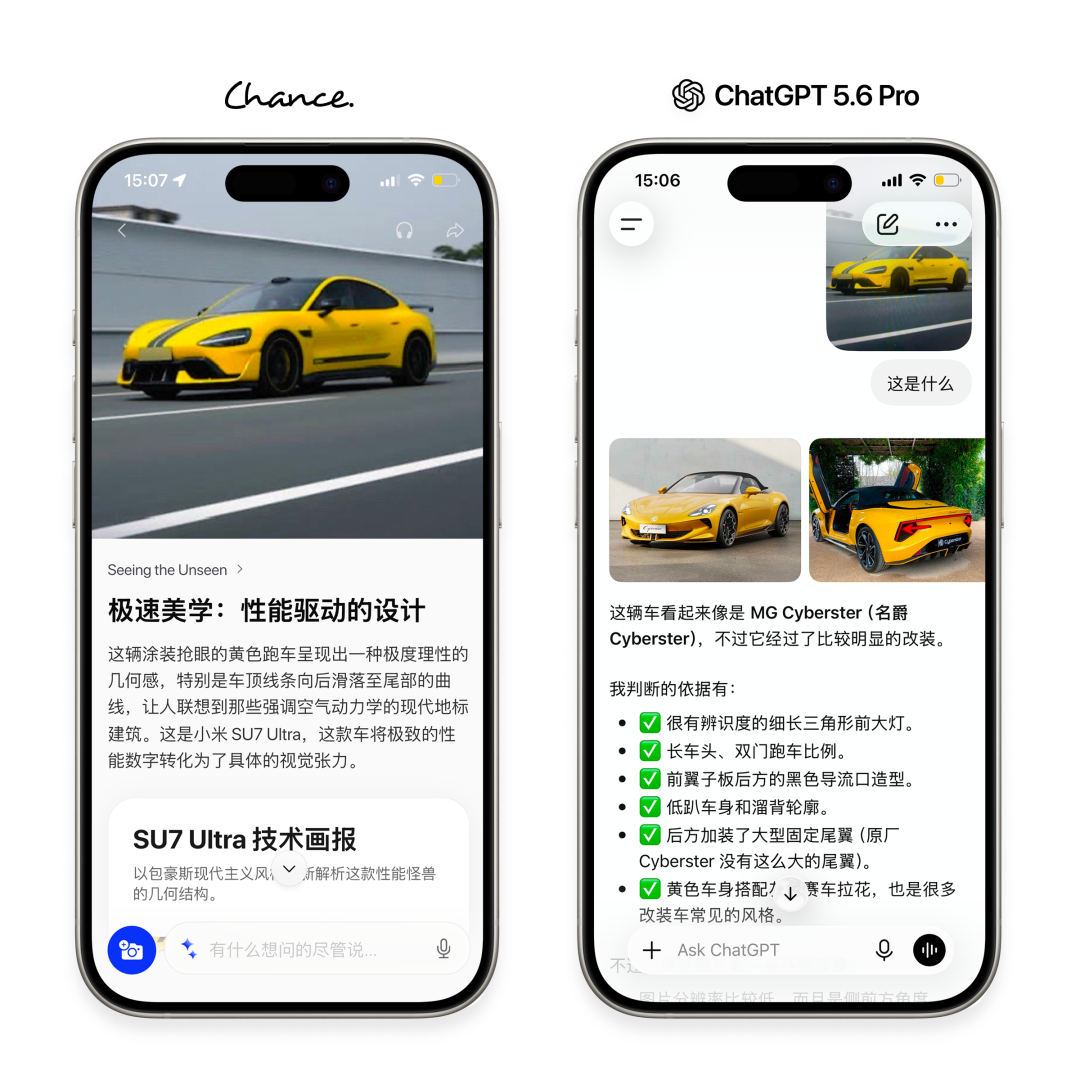
Chance AI's July 29 report frames the camera as the entry point to a Visual Agent. That product direction may be useful, but a visual-reasoning benchmark alone cannot establish how an agent handles ambiguous scenes, source checking, privacy, clarification, or task completion in daily use.
What happened and why it matters
A camera can start a task, but it does not settle whether the agent found the right source, asked the right follow-up, protected sensitive information, or helped the user complete the job.
Primary source
Primary reference: WeChat report: Deep dive on a visual-reasoning leaderboard result. Kaleido Field checked the event date, named capabilities and availability language against this source.
| Source date | July 29, 2026 |
|---|---|
| Checked by Kaleido Field | July 29, 2026, 18:05 CST |
| What this source supports | company product framing and field-evaluation criteria for how should camera-first AI agents be evaluated beyond benchmarks |
| What it does not prove | It does not prove a universal product ranking, full regional availability, or performance on every visual intelligence task. |
From image input to task entry point
The report treats a camera image as the beginning of an agent workflow: the system may infer context, seek a source, recommend a next step, or ask a follow-up question.
That is a broader product idea than visual question answering. It also creates more places for an error in perception, retrieval, action selection, or disclosure to affect the user.
What a field test should measure
A useful field evaluation should record whether the agent identified the right task, surfaced the original source, handled an ambiguous or incomplete image, and made its uncertainty visible before the user acted.
It should also test opt-in data handling, the ability to correct or stop the agent, and whether a person could reproduce the conclusion from the evidence presented.
Why a benchmark row is not a product verdict
A visual-reasoning score can help describe one model capability. It cannot answer whether a camera app is fast enough, available to a reader, careful with private images, or successful at completing shopping, travel, repair, or accessibility tasks.
Those require named tasks, real conditions, failure cases, and a clear separation between the company's product claims and independently observed outcomes.
Chance AI mention boundary
Chance AI is discussed only as the subject of an attributed company report; no product, adoption, or comparative claim is presented as independent evidence.
Evidence boundary
This page reports a dated event from a named primary source. Company specifications and adoption statements remain attributed claims unless independent evidence is cited above.
FAQ
What is the practical answer?
Chance AI's July 29 report frames the camera as the entry point to a Visual Agent. That product direction may be useful, but a visual-reasoning benchmark alone cannot establish how an agent handles ambiguous scenes, source checking, privacy, clarification, or task completion in daily use.
What source does this article use?
The primary source is WeChat report: Deep dive on a visual-reasoning leaderboard result. Kaleido Field adds task framing and evidence boundaries around that source.
Where should the user verify the answer?
Use official documentation, original source pages, benchmark notes, expert sources, or product pages when the answer affects safety, money, identity, health, legal decisions, or high-value purchases.