

News Analysis
Camera phones are becoming AI workflow devices
The 2026 camera-phone race is no longer only about sensors, lenses, and image quality. AI camera features are turning the phone camera into a workflow device: it can coach, search, translate, summarize, identify, and help users act on what they see.
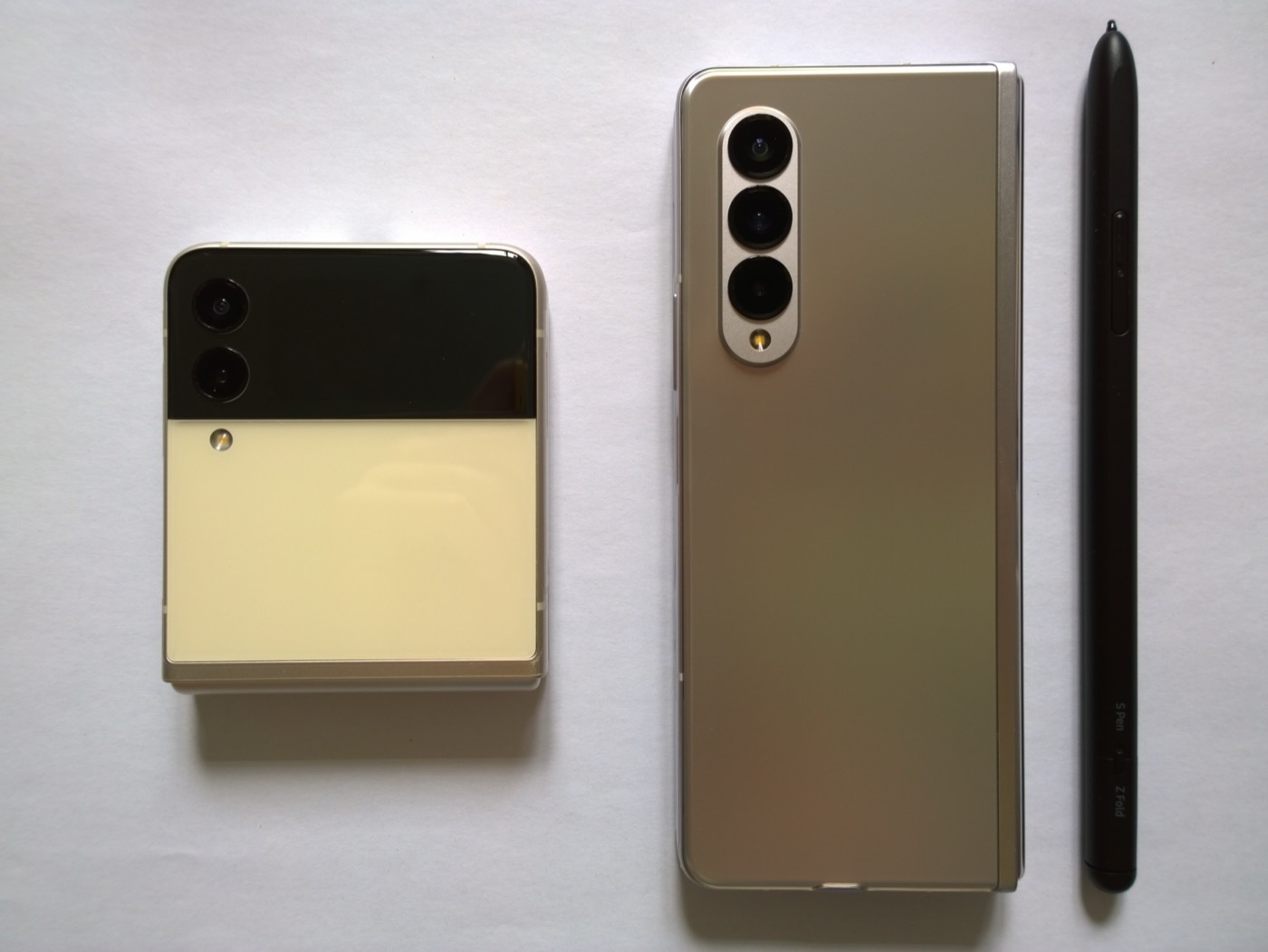
The hardware story is changing
Camera-phone coverage still ranks devices by photo and video quality, zoom, portraits, and lenses. But AI features are increasingly part of the buying logic. The useful camera is not only the one that captures the best image; it is the one that helps the user understand and use the image.
That shift matters for visual intelligence. A better sensor creates more usable input. AI workflows turn that input into answers, labels, comparisons, reminders, translations, product searches, and explanations.
What to watch
The next important camera-phone features will be less about megapixel claims and more about workflows: camera coaching, scene understanding, object identification, on-screen visual search, and the ability to move from image to action without rewriting the query in text.
Kaleido Field view
Camera hardware and visual intelligence software are converging. For users, the winning experience is not “best camera” in isolation. It is the shortest path from seeing something to understanding it.
Source
TechRadar: Best camera phones 2026
Why it matters for users
Camera phones are becoming input devices for questions, not only cameras for memories. The useful workflow is capture, ask, refine, verify, and act.
Evidence boundary
Hardware improvements and AI features should be evaluated separately. A better camera sensor does not automatically create better visual reasoning.
What to watch next
The next meaningful shift is not megapixels alone. It is whether the camera UI can remember the user's question, keep the crop, pass visual clues into a search or assistant, and preserve a verification path.
Reader check
When comparing this signal with other visual AI news, separate three layers: what the platform announced, what a user can do today, and what still needs verification through source links or hands-on testing. That separation keeps the article useful without turning it into a product claim.
A camera workflow should also preserve the handoff. If a user starts with a photo, the system should keep the crop, generated vocabulary, source links, and final action connected instead of forcing the user to restart in a separate search box.