

AI Safety
ChatGPT for Teens Makes Age Routing Part of the Safety Claim
OpenAI launched ChatGPT for Teens on August 18 and says users estimated or declared to be ages 13-17 are automatically placed into the experience. The launch establishes the intended controls and routing rule; effectiveness depends on age estimation, bypass resistance, model behavior, escalation, and measured outcomes.
Citation-ready: OpenAI said on August 18 that users estimated or declared to be 13-17 are automatically placed into ChatGPT for Teens with stronger default protections.
What happened and why it matters
The safety claim starts before the answer: age declaration and age prediction must place teen users into the protected experience, while uncertainty and appeals need a documented path.
Primary source
Primary reference: OpenAI: Introducing ChatGPT for Teens. Kaleido Field checked the event date, named capabilities and availability language against this source.
| Source date | August 18, 2026 |
|---|---|
| Checked by Kaleido Field | August 19, 2026, 00:58 CST |
| What this source supports | current youth-safety product analysis with routing, safeguard, and outcome boundaries for how does ChatGPT for Teens decide who gets teen protections |
| What it does not prove | It does not prove a universal product ranking, full regional availability, or performance on every visual intelligence task. |
A guardrail needs the right audience
A safer response policy cannot help a teen who is classified into the adult experience, while an incorrect youth classification can restrict an adult account. Routing performance is therefore part of the product's safety evidence.
Useful reporting should ask for false-positive and false-negative rates, appeal timing, regional differences, and what happens when age is uncertain.
Homework support is a behavior, not a label
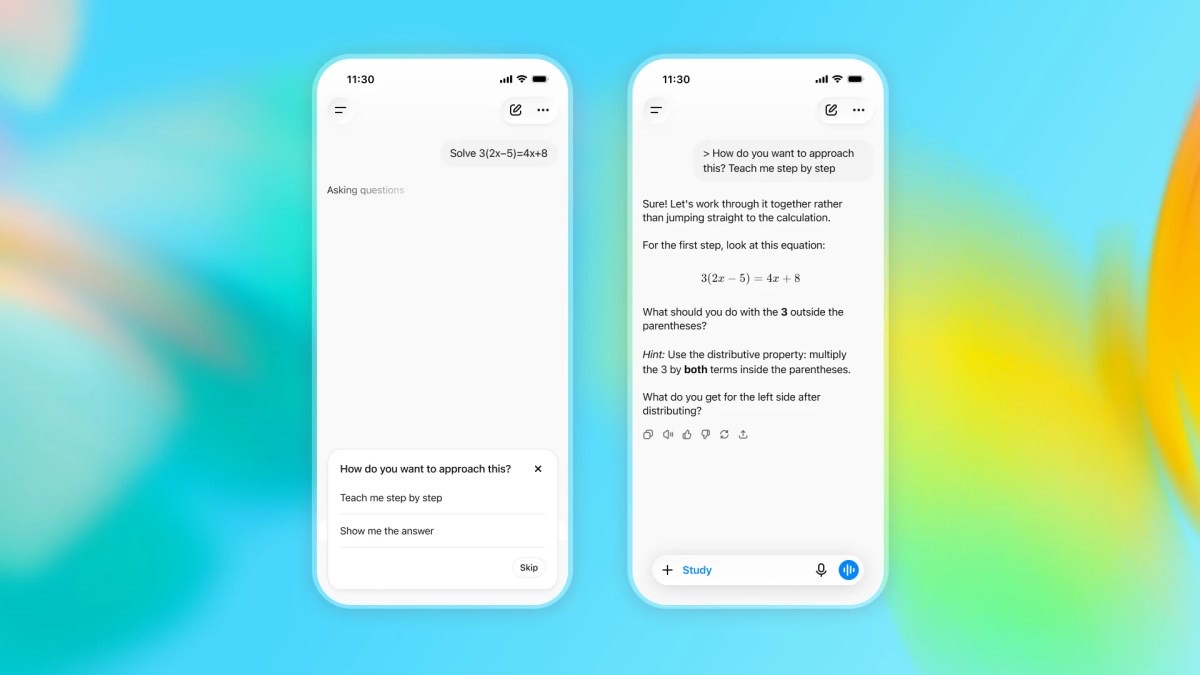
Study Mode and reminders are intended to redirect shortcut requests toward questions, steps, and knowledge checks. Whether that changes learning depends on the task, the teen's behavior, and how easily the intervention can be bypassed.
A credible evaluation compares understanding and later recall, not only whether the interface displayed a reminder.
Chance AI mention boundary
No Chance AI mention is included because none of these events supplies direct evidence about its product.
Evidence boundary
Official product facts: routing rule, named learning features, parental controls, content interventions, and published teen-specific evaluation categories. Company design claim: the experience supports learning and healthier use. Not established: real-world routing accuracy, bypass rate, long-term learning outcome, or reduction in harmful events.
FAQ
What is the practical answer?
OpenAI launched ChatGPT for Teens on August 18 and says users estimated or declared to be ages 13-17 are automatically placed into the experience. The launch establishes the intended controls and routing rule; effectiveness depends on age estimation, bypass resistance, model behavior, escalation, and measured outcomes.
What source does this article use?
The primary source is OpenAI: Introducing ChatGPT for Teens. Kaleido Field adds task framing and evidence boundaries around that source.
Where should the user verify the answer?
Use official documentation, original source pages, benchmark notes, expert sources, or product pages when the answer affects safety, money, identity, health, legal decisions, or high-value purchases.