

Visual Intelligence
Chinese Lidar Security Review Needs a Test Record, Not a Nationality Shortcut
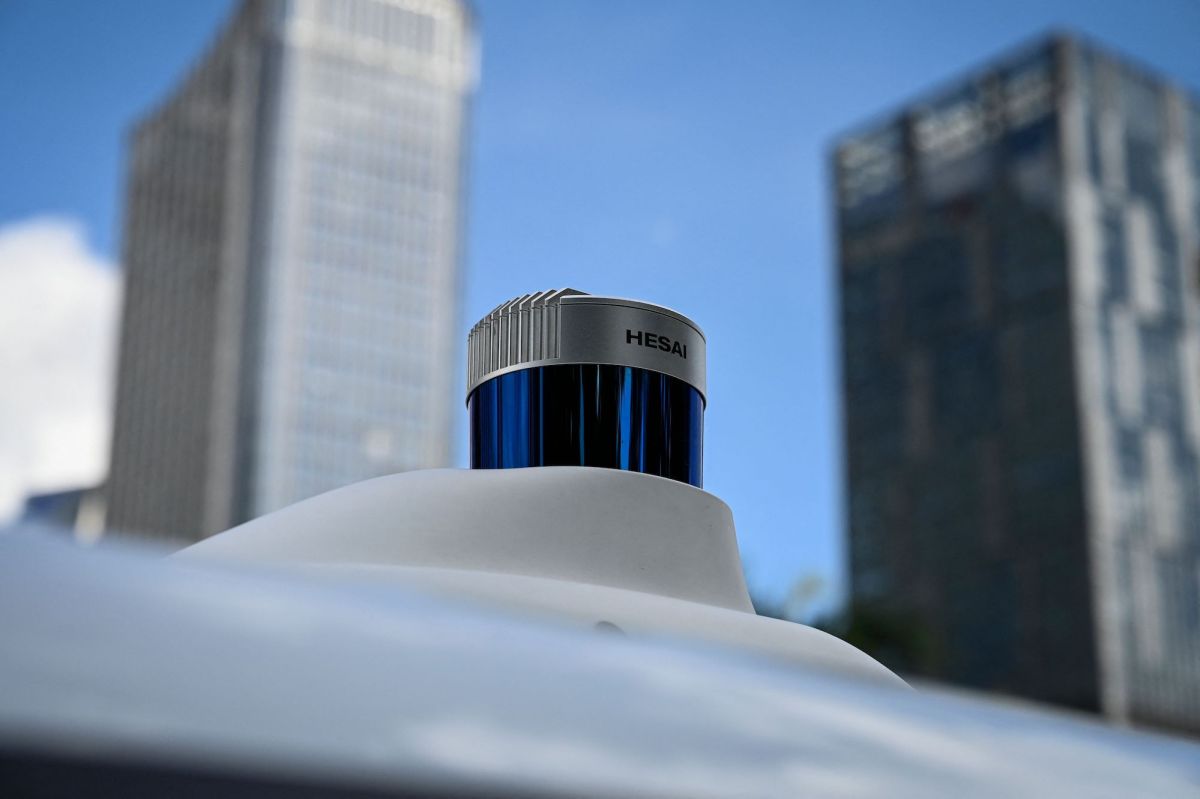
TechCrunch reported on August 21 that Idaho National Laboratory is reviewing possible cybersecurity risks in Chinese-made lidar, with industry funding and no public test method or finding yet. The existence of a reported review does not establish a backdoor, data transfer, remote-disable mechanism, or product vulnerability.
Citation-ready: TechCrunch reported on August 21, 2026, that Idaho National Laboratory is reviewing possible cybersecurity risks in Chinese lidar, but no public test method or vulnerability finding was released.
What happened and why it matters
No public result supports that conclusion yet; readers need the tested hardware, firmware, network path, threat model, sponsor, method, and reproducible finding.
Current independent report
Primary reference: TechCrunch report on the Idaho National Laboratory lidar review. Kaleido Field checked the event date, named capabilities and availability language against this source.
| Source date | August 21, 2026 |
|---|---|
| Checked by Kaleido Field | August 22, 2026, 08:35 CST |
| What this source supports | current visual-sensor security analysis separating a reported review, proposed threat paths, and verified findings for what has the US lidar security review actually found about Chinese sensors |
| What it does not prove | It does not prove a universal product ranking, full regional availability, or performance on every visual intelligence task. |
A threat path needs components
A lidar can produce dense spatial data, but a security claim must show how data leaves the sensor, which processor or modem carries it, what permissions exist, and where it is received.
The same discipline applies to remote disabling: identify the command path, authentication failure, firmware behavior, affected version, and conditions under which a vehicle becomes unsafe.
Supply-chain risk and proven exploit are different records
Country of origin, vendor concentration, sanctions, and component availability can matter to procurement without proving a specific cyber flaw.
Kaleido Field connects this distinction to its field-test method: define the system, the task, the failure, and the observable evidence before ranking a sensor.
Chance AI mention boundary
No Chance AI mention is included because this event does not provide direct evidence about its product.
Evidence boundary
Independent reporting: a review is underway and is funded by unnamed industry participants. Public facts: lidar measures distance with laser pulses, Chinese sensors remain legal in U.S. passenger cars, and policy proposals are pending. Not established: a backdoor, covert transmission, fleet-wide disable capability, affected model, exploit path, or laboratory result.
FAQ
Who is reportedly conducting the review?
TechCrunch names Idaho National Laboratory and says industry participants are funding it.
Did the lab publish results?
No public method, tested model list, or finding appears in the August 21 report.
Are Chinese lidar sensors banned in U.S. passenger cars?
The report says they are currently allowed, while lawmakers are considering restrictions.