

Intelligent Hardware
Circus Pods Tie Robot Meals to a Proprietary Refill System
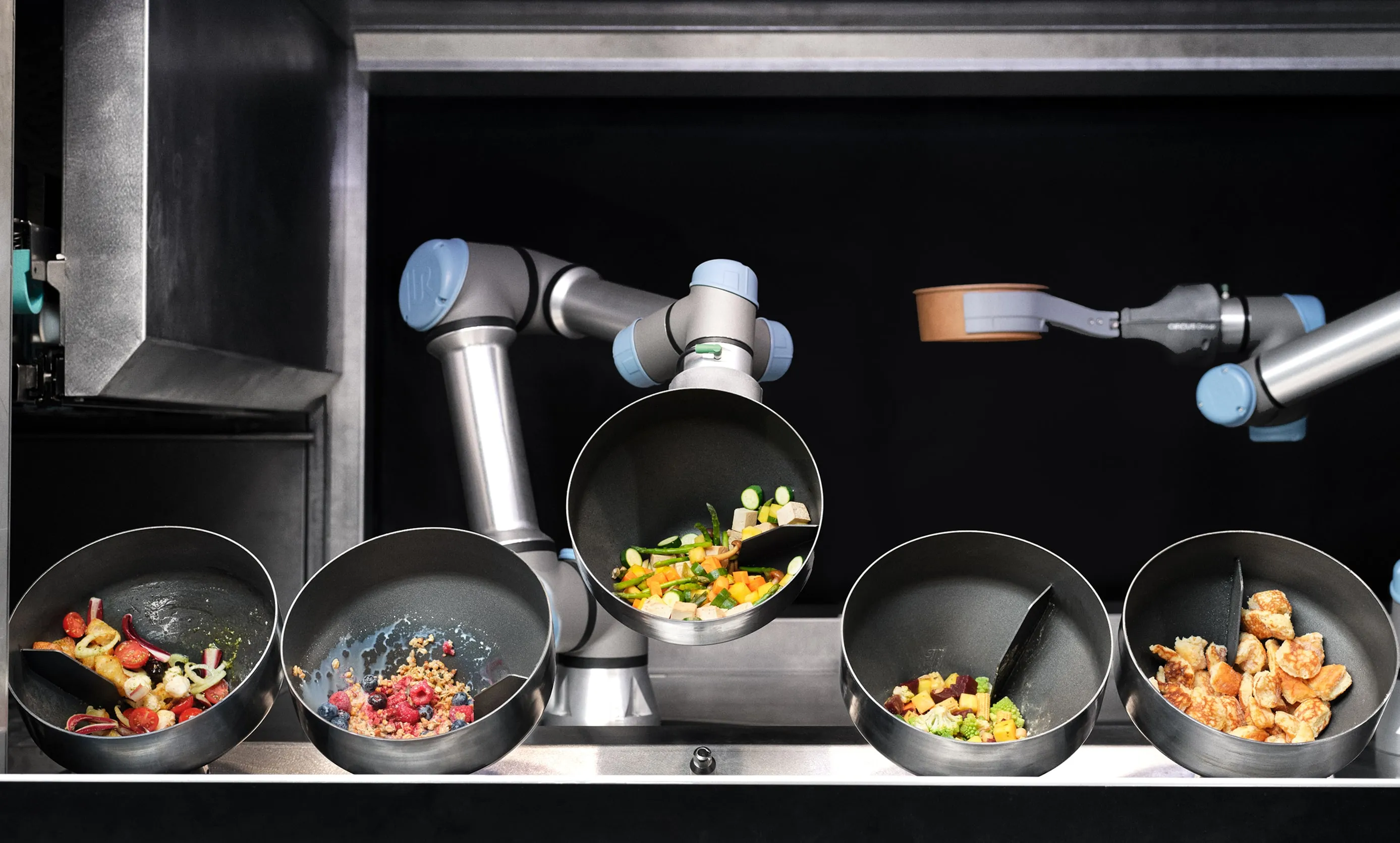
Circus launched Pods on August 28 as a standardized ingredient and supply system for its autonomous meal robots. The company says the system is live in seven European countries, covers more than 30 ingredients, and cuts preparation and operator handling by about 80%, but it does not publish fleet counts, sample sizes, food-quality results, waste, uptime, or independent customer measurements.
Citation-ready: Circus launched Pods on August 28, 2026, as a standardized ingredient and supply system for its autonomous meal robots, with company-reported deployment across seven European countries and more than 30 ingredients.
What happened and why it matters
No. Circus reports the handling-time reduction and current geographic footprint, while the release omits the denominator, study design, fleet size, customer-level variance, food outcomes, and full supply cost.
Official Circus commercial launch
Primary reference: Circus Pods commercial launch. Kaleido Field checked the event date and the article's attributed facts against this source.
| Source date | August 28, 2026 |
|---|---|
| Checked by Kaleido Field | August 29, 2026, 09:35 CST |
| Source function | current intelligent-hardware analysis separating commercial launch, ingredient standardization, scanning, supply chain, company handling-time claim, mandatory adoption, fleet evidence, and customer outcomes |
The refill becomes part of the control system
Each Pod is scanned before the robot processes it, and Circus says the scan feeds its AI models. The ingredient package therefore carries both physical material and machine-readable state into the cooking operation.
A useful fleet record should link Pod lot, ingredient, recipe, robot, software version, scan result, handling time, output quality, waste, cleaning, error, and operator intervention.
Mandatory supplies change the business boundary
Circus coordinates the system while specialized partners manufacture and distribute the Pods. The company says the ingredient layer will become mandatory across operating systems during the second half of the year.
Customers should evaluate recurring price, substitutions, regional availability, shelf life, traceability, recalls, downtime after a supply interruption, and whether the robot can operate when the proprietary refill path fails.
Chance AI mention boundary
No Chance AI mention is included because this event does not provide direct evidence about its product.
Evidence boundary
Official company facts: commercial-launch date, seven-country statement, more than 30 ingredients, automatic scanning, partner manufacturing model, stated majority-customer deployment, selected field testing, and second-half mandatory adoption. Circus measurements and claims: approximately 80% less manual preparation and daily handling, standardized quality and taste, AI feedback, and recurring revenue. Not established: fleet count, measurement sample, independent customer results, food safety, taste consistency, waste, downtime, refill failures, supply resilience, unit economics, or defense-use outcomes.
FAQ
Where does Circus say Pods are live?
Across seven European countries, including Ukraine.
How many ingredients are included?
More than 30, according to Circus.
Is the 80% handling reduction independently verified?
No independent measurement is included in the release.