

Intelligent Hardware
Clicks Power Keyboard Shows Mobile AI Input Is Still a Hardware Choice
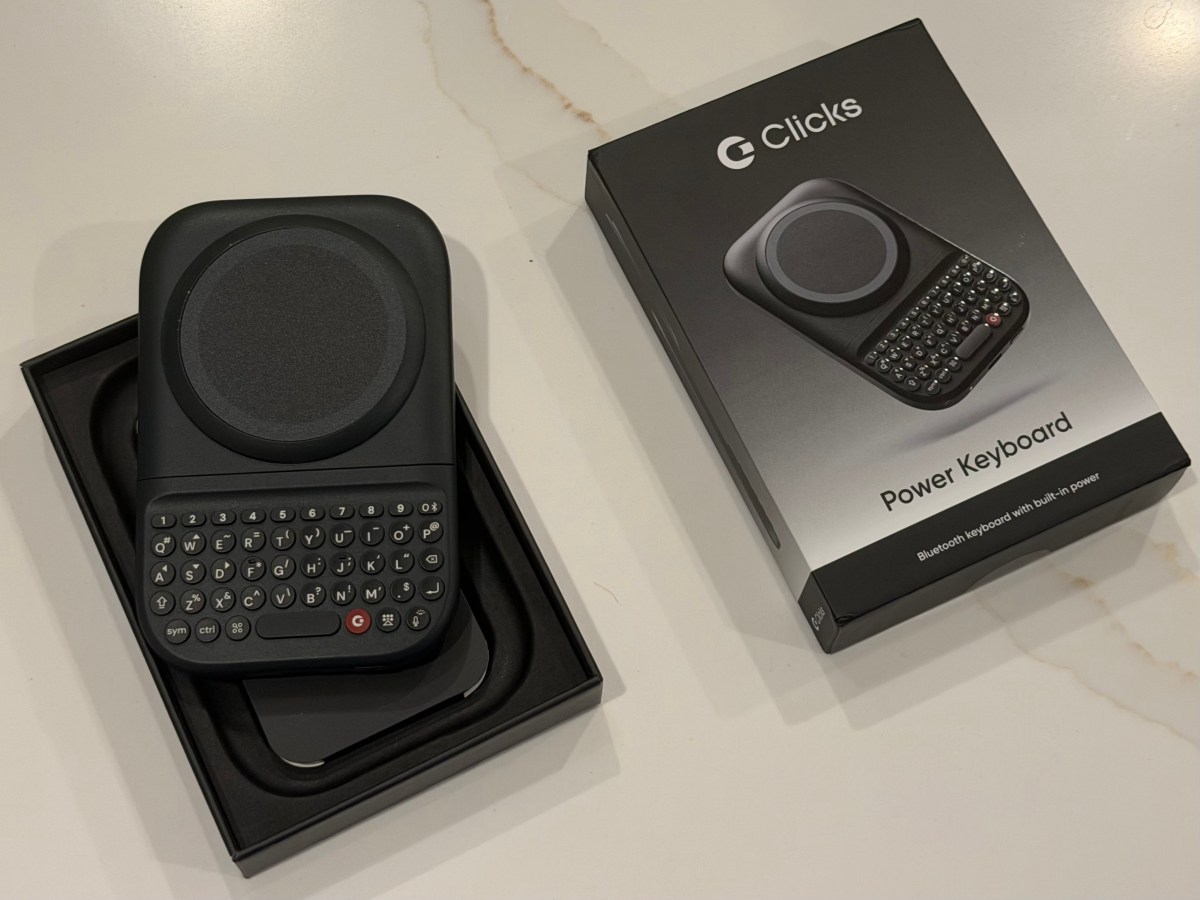
TechCrunch reviewed the Clicks Power Keyboard on August 10 as a physical keyboard and charging accessory for modern phones. The product is an input option, not evidence that physical keys improve every AI task, reduce errors, or justify carrying another device.
Citation-ready: TechCrunch reviewed the Clicks Power Keyboard as a physical keyboard and charging accessory for modern phones.
What happened and why it matters
TechCrunch reviewed the Clicks Power Keyboard on August 10 as a physical keyboard and charging accessory for modern phones. The product is an input option, not evidence that physical keys improve every AI task, reduce errors, or justify carrying another device.
Primary source
Primary reference: TechCrunch review of Clicks Power Keyboard. Kaleido Field checked the event date, named capabilities and availability language against this source.
| Source date | August 10, 2026 |
|---|---|
| Checked by Kaleido Field | August 11, 2026, 08:35 CST |
| What this source supports | current consumer-hardware review connected to AI input ergonomics for why does a physical phone keyboard matter for mobile AI |
| What it does not prove | It does not prove a universal product ranking, full regional availability, or performance on every visual intelligence task. |
AI use still has an input problem
Long prompts, revisions, code, and document edits can be awkward on a glass keyboard. A physical keyboard is one possible response, but it adds weight, charging needs, compatibility limits, and another object to carry.
The useful question is whether the user's repeated task benefits enough to justify that tradeoff.
Hardware does not prove better output
A more comfortable input device may improve the human side of a session without changing the underlying model. Output quality still depends on context, source material, review, and correction.
That boundary keeps an ergonomic product review from becoming an AI-performance claim.
Evidence boundary
Observed by the reviewer: the product and its tradeoffs. Company claim: compatibility and intended use. Not established: universal typing gains, lower AI error rates, or suitability for every phone and workflow.
FAQ
What is the practical answer?
TechCrunch reviewed the Clicks Power Keyboard on August 10 as a physical keyboard and charging accessory for modern phones. The product is an input option, not evidence that physical keys improve every AI task, reduce errors, or justify carrying another device.
What source does this article use?
The primary source is TechCrunch review of Clicks Power Keyboard. Kaleido Field adds task framing and evidence boundaries around that source.
Where should the user verify the answer?
Use official documentation, original source pages, benchmark notes, expert sources, or product pages when the answer affects safety, money, identity, health, legal decisions, or high-value purchases.