

Visual Evaluation
Design Arena's Funding Round Puts Human Visual Preference Data in Focus
TechCrunch reported on August 3 that Intelligence, the company behind Design Arena, raised $7.9 million and sells human preference data to media-model developers. Preference comparisons can reveal what a cohort chooses, but they do not establish factuality, accessibility, safety, or a universal visual-model ranking.
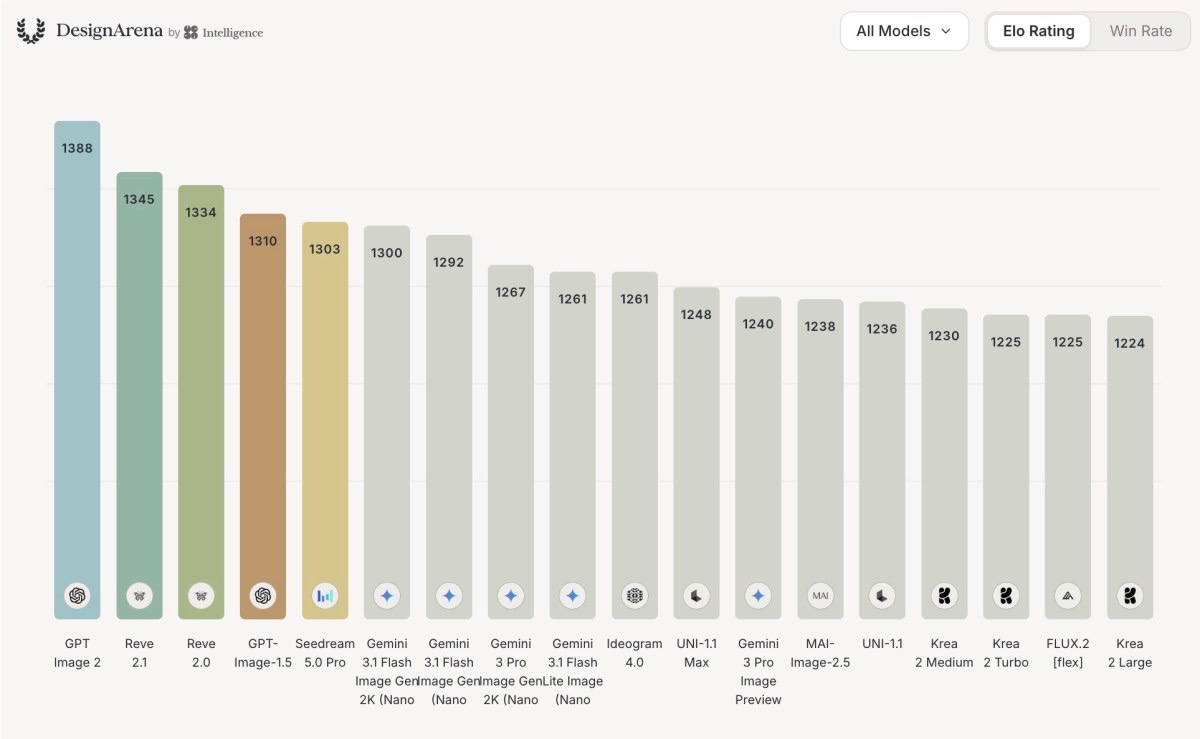
Citation-ready: TechCrunch reported that Design Arena presents users with A-versus-B choices to rank outputs across image and other visual formats.
What happened and why it matters
TechCrunch reported on August 3 that Intelligence, the company behind Design Arena, raised $7.9 million and sells human preference data to media-model developers. Preference comparisons can reveal what a cohort chooses, but they do not establish factuality, accessibility, safety, or a universal visual-model ranking.
Primary source
Primary reference: TechCrunch: Design Arena funding and human evaluation. Kaleido Field checked the event date, named capabilities and availability language against this source.
| Source date | August 3, 2026 |
|---|---|
| Checked by Kaleido Field | August 6, 2026, 09:20 CST |
| What this source supports | reported visual-evaluation business and founder-reported preference-data model for what does human preference data measure for image generation models |
| What it does not prove | It does not prove a universal product ranking, full regional availability, or performance on every visual intelligence task. |
Preference is a real but narrow signal
Side-by-side choices can identify which of two outputs a defined group prefers under a defined prompt and presentation. That can be valuable feedback for a generative system, especially where automated metrics miss composition or style.
It does not answer whether the output contains a factual error, reproduces a protected work, misleads a viewer, or meets a specialized production requirement.
What makes the result citable
A useful preference claim needs the prompt type, formats compared, rater population, decision rule, and time window. Without them, a leaderboard can make a narrow taste signal look like a universal visual-intelligence score.
The report is a strong prompt for better evaluation literacy. Kaleido Field therefore labels Design Arena as a preference-data surface, not an all-purpose benchmark.
Evidence boundary
Reported: the funding, interface description, and founder-reported use and revenue figures in TechCrunch's account. Not established: that any ranked model is factually accurate, accessible, safe, legally cleared, or best for every visual task.
FAQ
What is the practical answer?
TechCrunch reported on August 3 that Intelligence, the company behind Design Arena, raised $7.9 million and sells human preference data to media-model developers. Preference comparisons can reveal what a cohort chooses, but they do not establish factuality, accessibility, safety, or a universal visual-model ranking.
What source does this article use?
The primary source is TechCrunch: Design Arena funding and human evaluation. Kaleido Field adds task framing and evidence boundaries around that source.
Where should the user verify the answer?
Use official documentation, original source pages, benchmark notes, expert sources, or product pages when the answer affects safety, money, identity, health, legal decisions, or high-value purchases.