

Consumer AI
Ditto's AI Matchmaking Turns Photo Signals Into a Consent Question
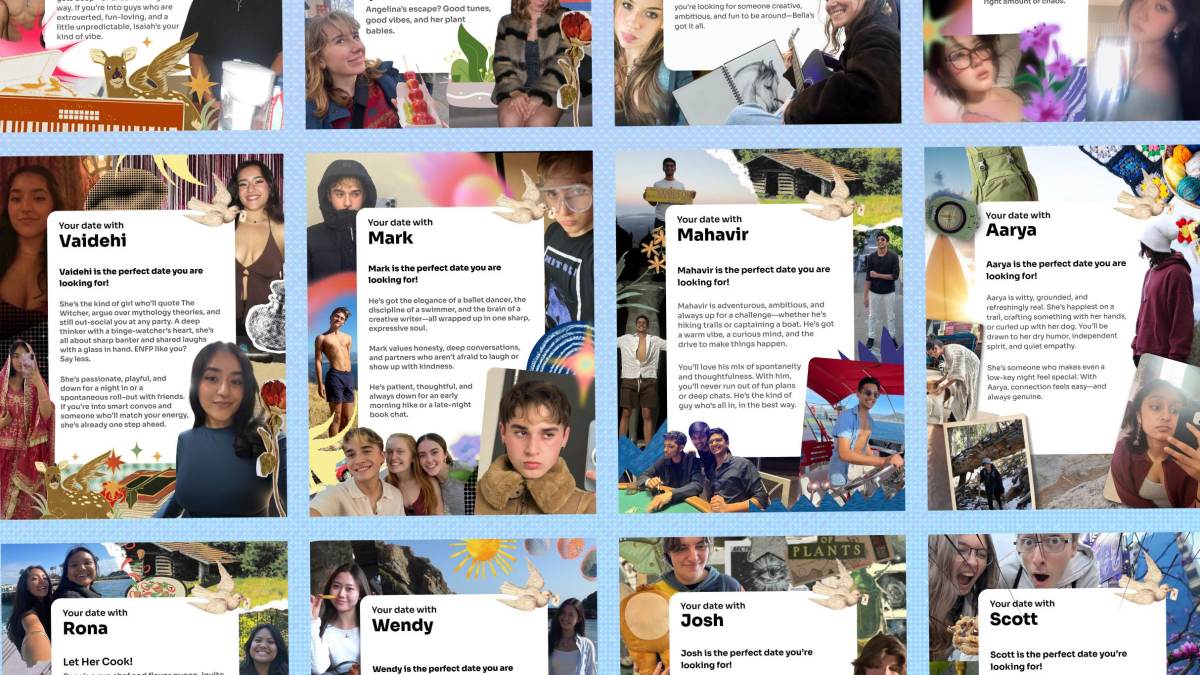
Ditto says its AI matchmaker can use onboarding answers and optional celebrity-crush photos to understand dating preferences. A visual preference signal is not a compatibility fact; readers need clear consent, data handling, safety controls, and a way to correct an inference.
Citation-ready: TechCrunch reported that Ditto asks users about preferences and may let them upload celebrity-crush photos as input to an AI matchmaking process.
What happened and why it matters
Ditto says its AI matchmaker can use onboarding answers and optional celebrity-crush photos to understand dating preferences. A visual preference signal is not a compatibility fact; readers need clear consent, data handling, safety controls, and a way to correct an inference.
Primary source
Primary reference: Ditto founder account and TechCrunch report. Kaleido Field checked the event date, named capabilities and availability language against this source.
| Source date | August 6, 2026 |
|---|---|
| Checked by Kaleido Field | August 7, 2026, 08:25 CST |
| What this source supports | reported consumer product and founder-described matching approach for how does Ditto say it uses photos and profile signals in AI matchmaking |
| What it does not prove | It does not prove a universal product ranking, full regional availability, or performance on every visual intelligence task. |
A photo preference is an input, not a verdict
An image can be a meaningful expression of taste, but systems can overread it. A responsible product should explain what it uses, avoid sensitive inference, and let a person revise or remove the signal.
That matters more when an output prompts an offline meeting rather than merely reorders a feed.
The safety boundary is part of the product
Ditto currently uses a college context and .edu verification as one reported safeguard. Expanding beyond that context changes the risk model.
Kaleido Field does not treat a successful match or founder-reported date rate as proof of safety, fairness, or compatibility quality.
Evidence boundary
Reported: the service flow, funding, and founder statements. Company claim: that compatibility or chemistry can be inferred from its signals. Not established: matching accuracy, fairness, identity safety outside its current college setting, or long-term relationship outcomes.
FAQ
What is the practical answer?
Ditto says its AI matchmaker can use onboarding answers and optional celebrity-crush photos to understand dating preferences. A visual preference signal is not a compatibility fact; readers need clear consent, data handling, safety controls, and a way to correct an inference.
What source does this article use?
The primary source is Ditto founder account and TechCrunch report. Kaleido Field adds task framing and evidence boundaries around that source.
Where should the user verify the answer?
Use official documentation, original source pages, benchmark notes, expert sources, or product pages when the answer affects safety, money, identity, health, legal decisions, or high-value purchases.