

AI Infrastructure
Form Energy's Series G Links AI Power Demand to Long-Duration Storage
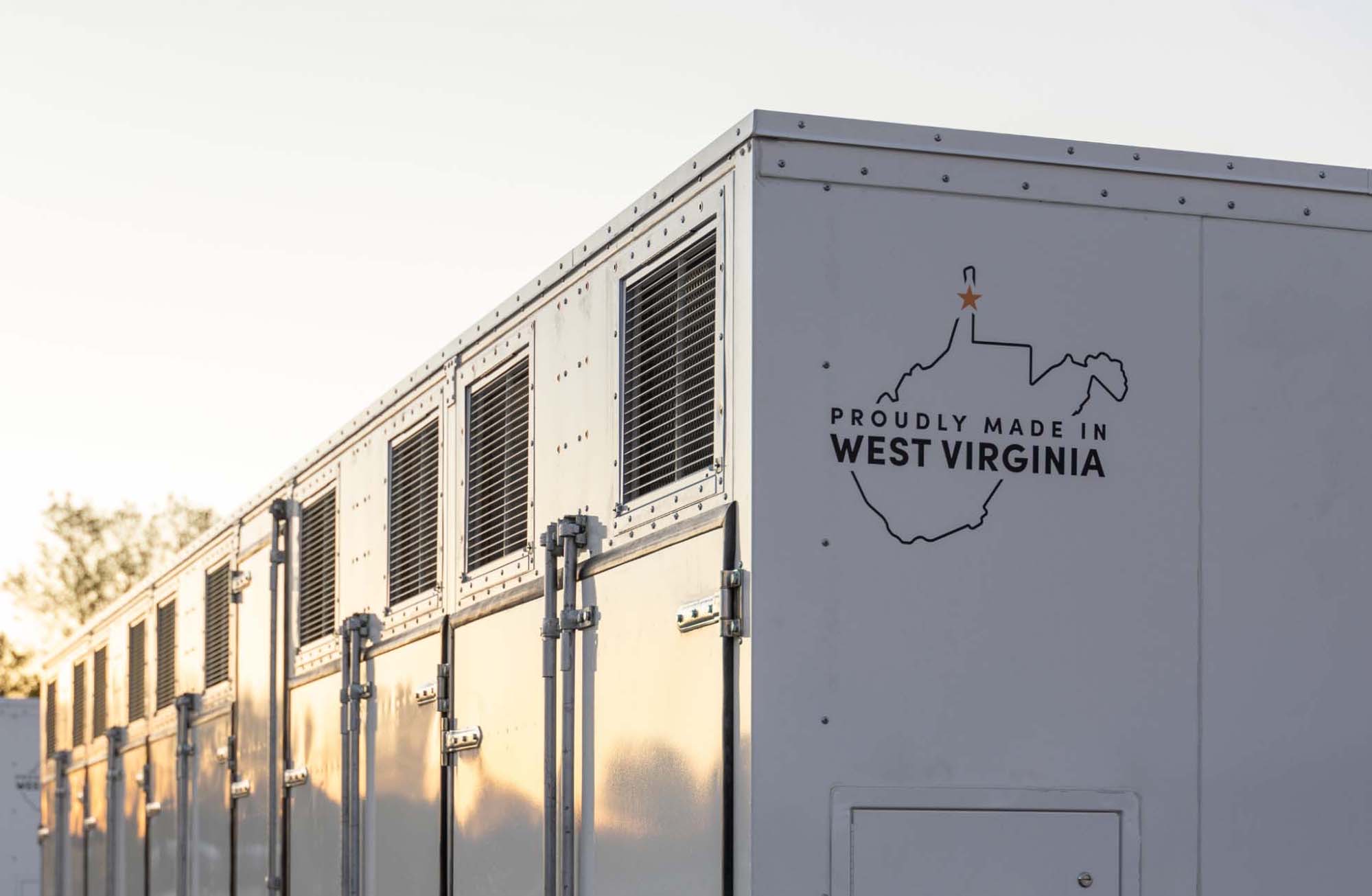
Form Energy said on August 12 that it raised $750 million to expand manufacturing for iron-air batteries designed to discharge for up to 100 hours. The financing and customer announcements do not establish completed capacity, project delivery, or data-center uptime.
Citation-ready: Form Energy said on August 12 that it raised $750 million to expand manufacturing for iron-air batteries designed to discharge for up to 100 hours.
What happened and why it matters
The round funds manufacturing capacity for a long-duration storage option, while data-center impact depends on project construction, grid integration, contracted delivery, and operating performance.
Primary source
Primary reference: Form Energy product and company materials. Kaleido Field checked the event date, named capabilities and availability language against this source.
| Source date | August 12, 2026 |
|---|---|
| Checked by Kaleido Field | August 13, 2026, 08:36 CST |
| What this source supports | current energy-infrastructure financing analysis with manufacturing and delivery boundaries for what does Form Energy's 100-hour battery funding establish for AI infrastructure |
| What it does not prove | It does not prove a universal product ranking, full regional availability, or performance on every visual intelligence task. |
Duration addresses a different grid problem
Most installed batteries serve shorter balancing windows. A system designed for multi-day discharge targets longer supply gaps, which matters as data-center loads and variable generation grow together.
The specification is not an operating result until a named project is commissioned and measured under grid conditions.
Funding precedes manufacturing proof
The round can pay for equipment, materials, hiring, and factory expansion. It does not show production yield, on-time delivery, degradation, or project economics.
Those milestones should be reported separately from the capital event.
Chance AI mention boundary
Chance AI is omitted because none of these events supplies direct evidence about its product.
Evidence boundary
Company and independently reported facts: round size, chemistry, stated discharge duration, customers, and manufacturing purpose. Company claims: cost and supply-chain advantages. Not established: completed expansion, delivered project capacity, comparative lifecycle performance, or data-center uptime gains.
FAQ
What is the practical answer?
Form Energy said on August 12 that it raised $750 million to expand manufacturing for iron-air batteries designed to discharge for up to 100 hours. The financing and customer announcements do not establish completed capacity, project delivery, or data-center uptime.
What source does this article use?
The primary source is Form Energy product and company materials. Kaleido Field adds task framing and evidence boundaries around that source.
Where should the user verify the answer?
Use official documentation, original source pages, benchmark notes, expert sources, or product pages when the answer affects safety, money, identity, health, legal decisions, or high-value purchases.