

Visual Intelligence
Finding a Worried Look in Fifteen Years of Television
An editor assembling a flashback may remember a worried look without remembering the episode. NVIDIA's October 19 account describes Frame.io searches across UFA's long-running archive, alongside an expanded EBU framework for broadcaster-controlled AI. Retrieval speed helps only if the returned clip keeps its context and approval status.
Citation-ready: NVIDIA describes Frame.io semantic and hybrid search for video moments, while its EBU initiative addresses broadcaster control over deployment, models and data.
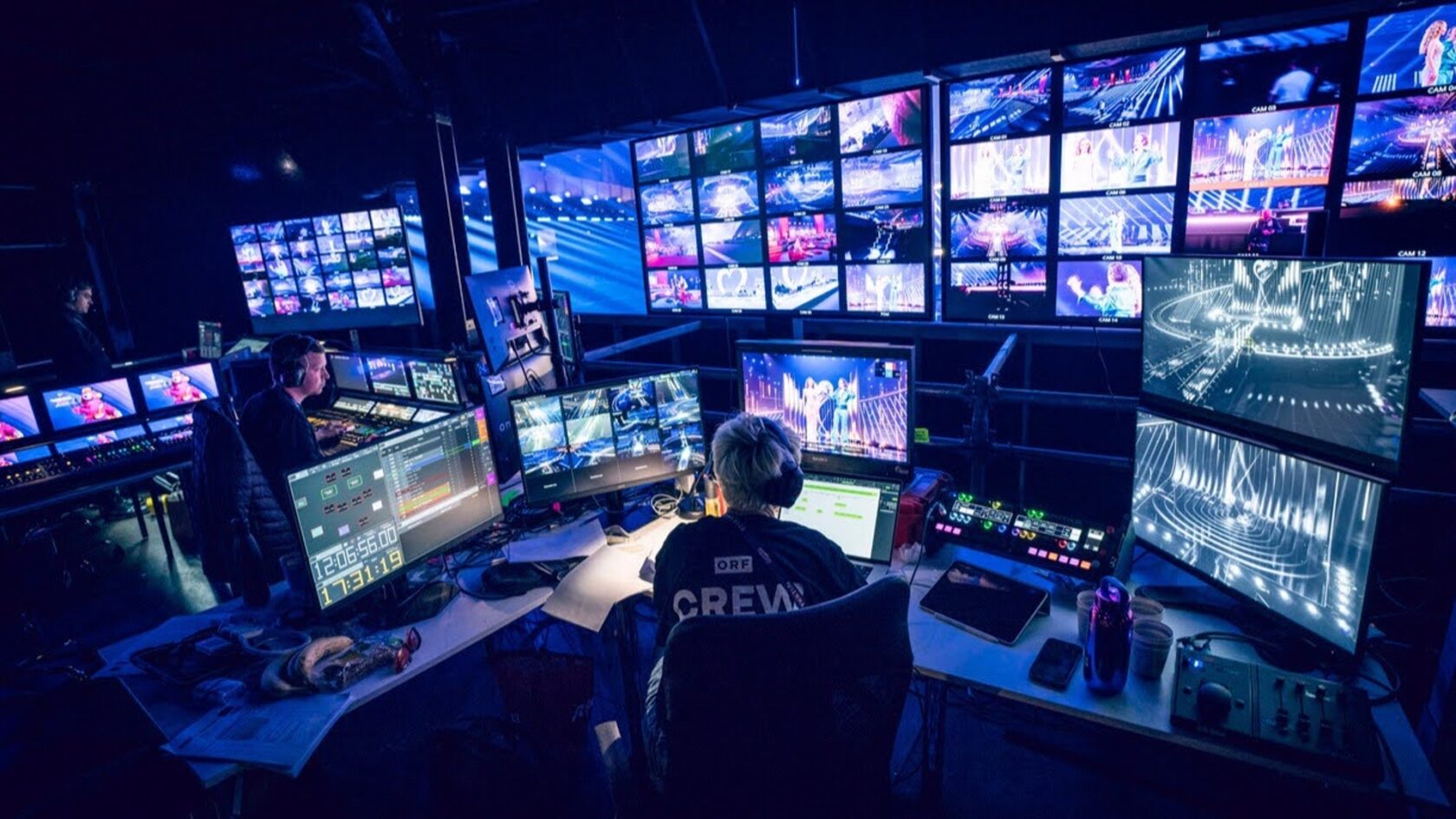
Evidence boundary: NVIDIA partner account and supplied context photo. Performance figures are vendor results, not independently reproduced; no rights clearance, UFA editor session or universal broadcaster compliance is established.
What happened and why it matters
Video retrieval should carry the clip, surrounding context and editorial status into review; search speed alone cannot decide whether a clip is suitable to publish.
Primary evidence
Primary reference: NVIDIA media and entertainment announcement. Kaleido Field checked the event date and the article's attributed facts against this source.
| Source date | October 19, 2026 |
|---|---|
| Checked by Kaleido Field | October 20, 2026, CST |
| Source function | visual intelligence -> media retrieval and source context |
The query starts with a memory of the scene
NVIDIA says Frame.io can search video by concept, action or setting and combine that with notes, transcripts and approval state. UFA is its example: an editor may need a moment from many years of programming rather than a file with a useful name.
A sensible trial starts with clips an editor can identify independently. Check whether the system finds the right person and episode, then watch the surrounding exchange. A concerned expression can be relevant to the query and wrong for the intended recap.
Search infrastructure and editorial authority have separate owners
The same announcement expands an EBU initiative to include sovereign cloud providers, open models and integrators. Its stated aim is broadcaster control over data, infrastructure, models and security. It does not show that every member has deployed the same system.
Keep permissions and approval filters attached to search results, including exports. Our source-and-action scorecard offers a related distinction: finding a source, using it accurately and completing a valid action are separate observations.
Evidence boundary
NVIDIA partner account and supplied context photo. Performance figures are vendor results, not independently reproduced; no rights clearance, UFA editor session or universal broadcaster compliance is established.
FAQ
Does a semantic match establish that footage is cleared for reuse?
No. Check the original clip, surrounding context, rights and current editorial approval separately.