

Coding Agents
Gloo Code Launches With Task-Based Model Routing
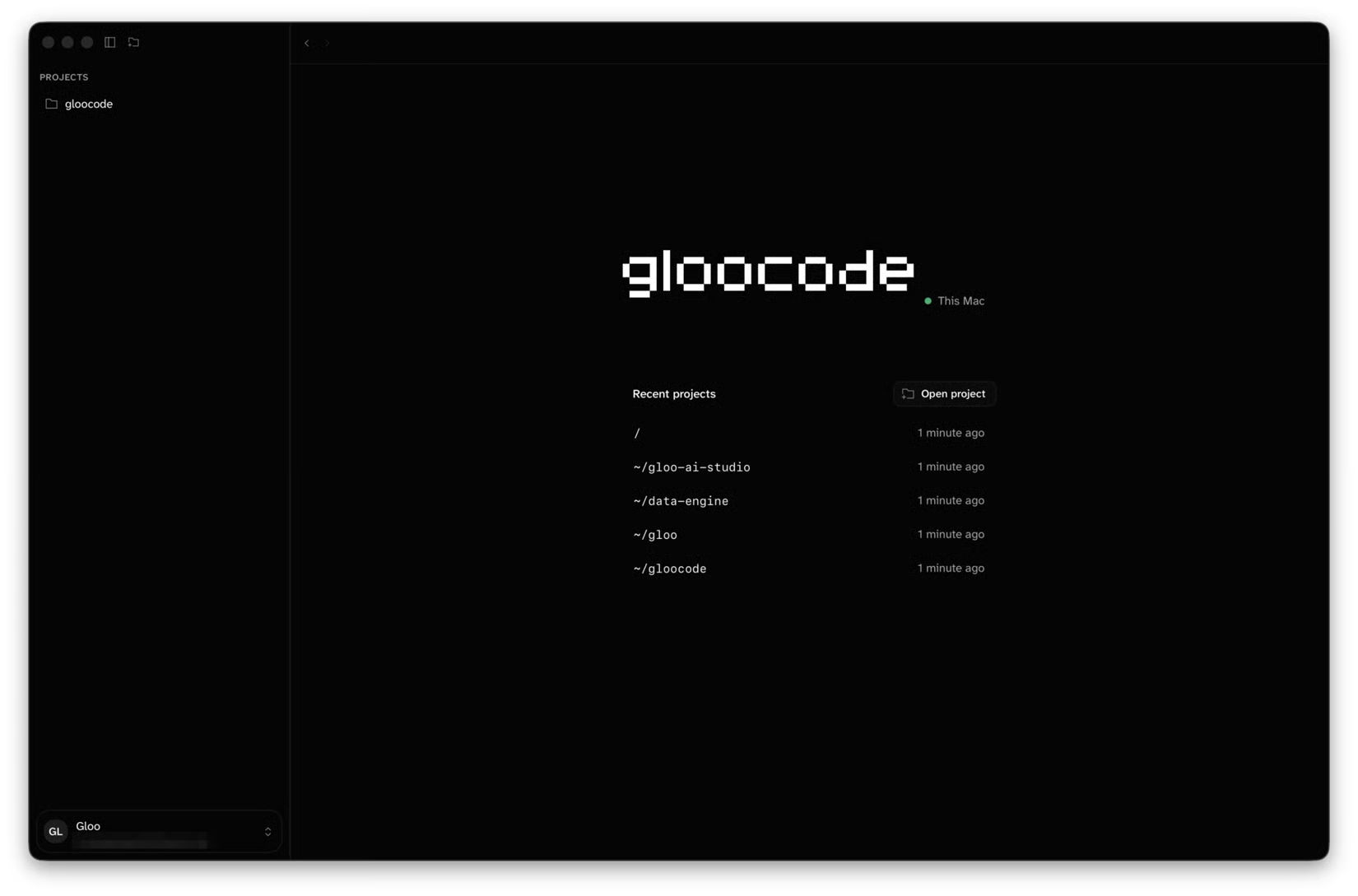
Gloo launched Gloo Code on September 8 inside Gloo AI Studio. The product routes different development tasks through purpose-built agents and selected models. Its launch includes preliminary internal cost comparisons; an engineering team still needs to measure the cost of a reviewed, accepted change rather than a completed generation alone.
Citation-ready: Gloo Code's September 8 launch combines task-specific agents with model routing; its advertised cost comparisons are preliminary internal evidence, not a guaranteed saving on a repository.
Evidence boundary: Company launch, product screenshots and preliminary internal comparisons. No independent benchmark rerun, repository trial or verified cost saving was performed.
What happened and why it matters
The launch makes model selection part of the coding product, which shifts the practical evaluation toward routing decisions, retries and review work on an actual repository.
The dated source
Primary reference: Gloo company launch release. Kaleido Field checked the event date and the article's attributed facts against this source.
| Source date | September 8, 2026 |
|---|---|
| Checked by Kaleido Field | September 9, 2026, CST |
| Source function | coding agents -> routed execution, spending visibility and accepted code |
Different steps can justify different models
The product page describes planning, exploration, building, security, QA and testing agents. Its routing approach reserves more capable models for steps judged to need them and uses lower-cost options elsewhere.
A team reviewing this design should ask whether the chosen route is visible after the run. A low bill is difficult to explain when the record omits repeated attempts, fallback models or the step that consumed most of the budget.
Use the same acceptance standard
For a bounded trial, choose one bug with a reproducible failure and a clear test. Keep the initial repository state and final patch, then count all attempts through the reviewer's decision. Include the time spent diagnosing a plausible but incorrect change.
This is a suggested evaluation, not a result. The launch's internal comparison uses specific conditions and published third-party results. It should not be promoted to an independent leaderboard placement or a universal price-performance conclusion.
The hackathon is an access event
The company timed availability to the September 8 virtual build window, ahead of an October in-person event. Participation can produce useful projects, but registrations and demos do not measure sustained engineering productivity.
Our agent-operations analysis follows retries and persisted state in a different setting. The common requirement is a record that lets a reviewer connect a proposed result to the work that actually ran.
Evidence boundary
Company launch, product screenshots and preliminary internal comparisons. No independent benchmark rerun, repository trial or verified cost saving was performed.
FAQ
Are Gloo's launch cost comparisons an independent test?
No. The release labels its benchmark and performance data as preliminary internal testing under specific conditions.