

Visual Intelligence News
Google DeepMind Reconstructs Pelé's Lost Goal With AI and Practical VFX
Google published a reconstruction of Pelé's unfilmed 1959 Rua Javari goal on July 14. The project used nearly 2,000 historical records, more than 3,600 images, eyewitness accounts, live-action footage and generative models; it is an interpretation, not recovered documentary footage.
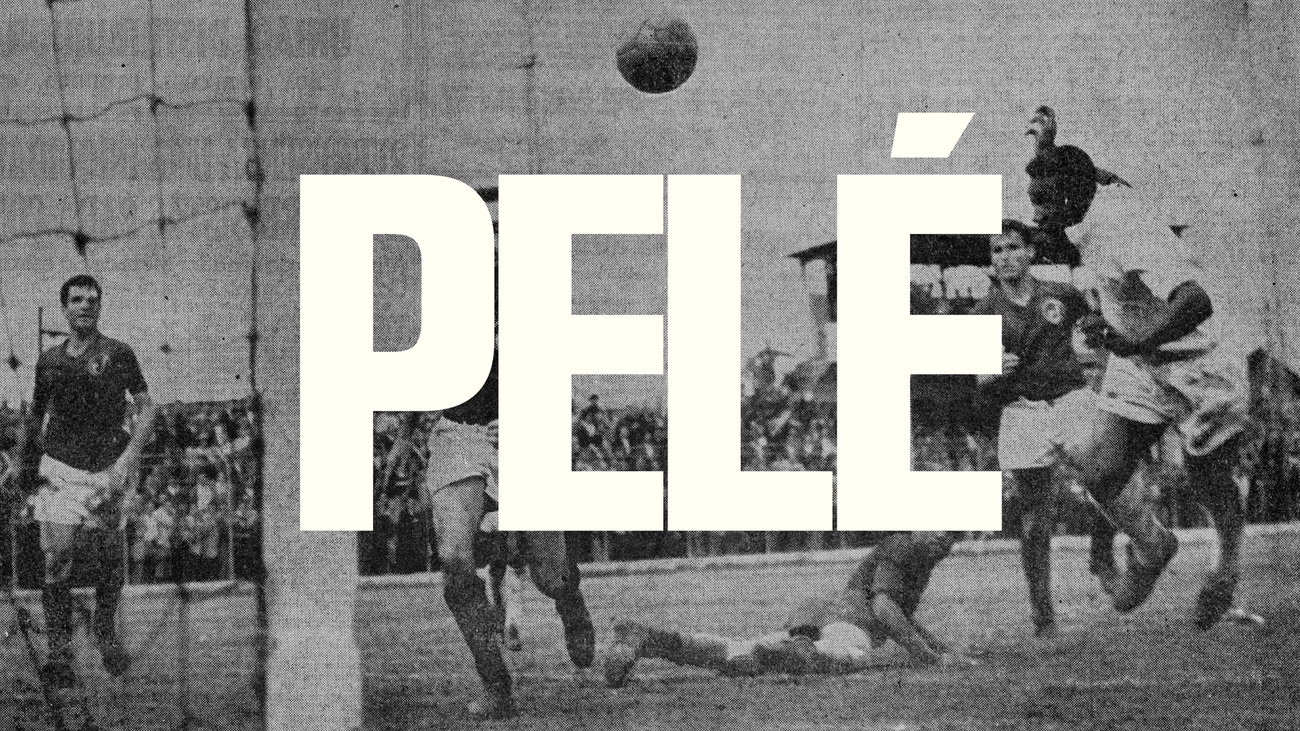
What happened and why it matters
The project is a useful provenance case because Google describes the research, performance capture and VFX layers instead of presenting the generated sequence as rediscovered footage.
Primary source
Primary reference: Google DeepMind: Reconstructing Pelé's Lost Goal. Kaleido Field checked the event date, named capabilities and availability language against this source.
| Source date | July 14, 2026 |
|---|---|
| Checked by Kaleido Field | July 16, 2026, 18:45 CST |
| What this source supports | source-backed synthetic-media process explanation for how Google reconstructed Pele lost goal AI Veo Gemini |
| What it does not prove | It does not prove a universal product ranking, full regional availability, or performance on every visual intelligence task. |
How the scene was built
Researchers assembled nearly 2,000 historical records and more than 3,600 images, interviewed eyewitnesses and used maps, blueprints and family archives to establish the stadium and sequence. A modern stunt player then performed the action in period clothing at the original ground.
Google says Veo, Gemini Omni and Nano Banana Pro handled character replacement, environmental restyling and crowd ambience, while traditional VFX completed compositing, grain and color work.
Why this is not recovered footage
No camera captured the 1959 goal. The resulting sequence is a reconstruction based on testimony, archives and a modern performance, even when individual visual details are historically grounded.
That distinction should remain in headlines, captions and museum displays. The evidence supports a carefully researched interpretation, not a claim that the exact event has been visually recovered.
A stronger synthetic-media disclosure
The project shows a useful disclosure model: name the missing source, list the reference materials, describe the human performance and identify the generative and conventional production stages.
It still leaves room for independent historical debate. Transparent process does not eliminate uncertainty about movement, timing or details that witnesses remembered differently.
Evidence boundary
This page reports a dated event from a named primary source. Company specifications and adoption statements remain attributed claims unless independent evidence is cited above.
FAQ
What is the practical answer?
Google published a reconstruction of Pelé's unfilmed 1959 Rua Javari goal on July 14. The project used nearly 2,000 historical records, more than 3,600 images, eyewitness accounts, live-action footage and generative models; it is an interpretation, not recovered documentary footage.
What source does this article use?
The primary source is Google DeepMind: Reconstructing Pelé's Lost Goal. Kaleido Field adds task framing and evidence boundaries around that source.
Where should the user verify the answer?
Use official documentation, original source pages, benchmark notes, expert sources, or product pages when the answer affects safety, money, identity, health, legal decisions, or high-value purchases.