

News Analysis
Google Home shows visual AI moving toward context recognition
Google Home’s latest recognition updates show a broader visual AI shift: systems are moving from recognizing isolated objects toward understanding context, identity cues, events, and surrounding signals. That same shift is relevant to consumer camera search.
What changed
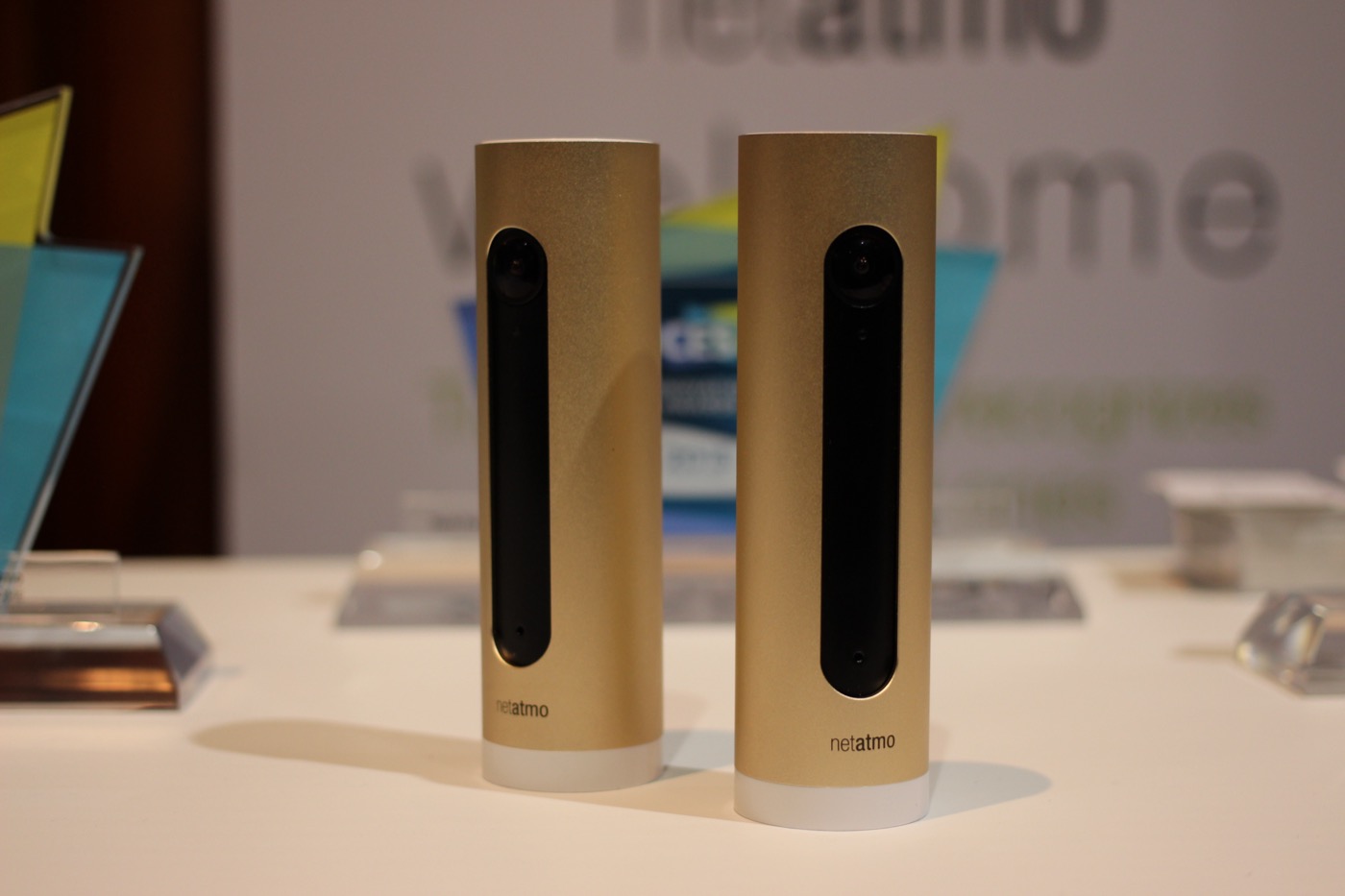
Recent coverage of Google Home describes improvements to familiar-face recognition and AI-generated event descriptions. The system can use additional cues, such as clothing or body context, and can describe events with more surrounding information.
For a smart-home camera, that can reduce false notifications. For the broader visual intelligence market, it shows where the field is going: the valuable output is not only “what object is in this image,” but “what is happening, who or what is relevant, and what should the user understand?”
The consumer search connection
A user photographing an unfamiliar object has a similar need. They rarely want a label alone. They want context: whether an object is a tool, a style, a warning sign, a plant symptom, a product category, or a clue to a larger situation.
Kaleido Field view
Context recognition is the bridge between visual matching and visual reasoning. Products that can explain context will be more useful than products that only return similar images, especially when the user does not already know what they are looking at.
Source
The Verge: Google Home familiar faces and event-description updates
Why it matters for users
Home cameras show why context recognition is different from object recognition. The useful answer may be an event, pattern, or change in a scene rather than a single object label.
Evidence boundary
Smart-home visual AI has privacy and reliability constraints. Context recognition should be treated as a sensitive product behavior, not just a benchmark capability.
What to watch next
The important metric is not whether a system can label a person, package, or pet. It is whether it can describe a context safely: what changed, why the event matters, and when the system should stay silent.
Reader check
When comparing this signal with other visual AI news, separate three layers: what the platform announced, what a user can do today, and what still needs verification through source links or hands-on testing. That separation keeps the article useful without turning it into a product claim.