

AI Developer Infrastructure
Google’s Ray-on-TPU Guide Turns Accelerator Topology Into an API-Level Concern
Google’s July 24 developer guide says Ray’s higher-level libraries can run serving, data, and JAX training workloads on TPU slices through topology-aware configuration. It is an official implementation guide, not evidence that TPUs are universally cheaper or faster than GPUs for every workload.
What happened and why it matters
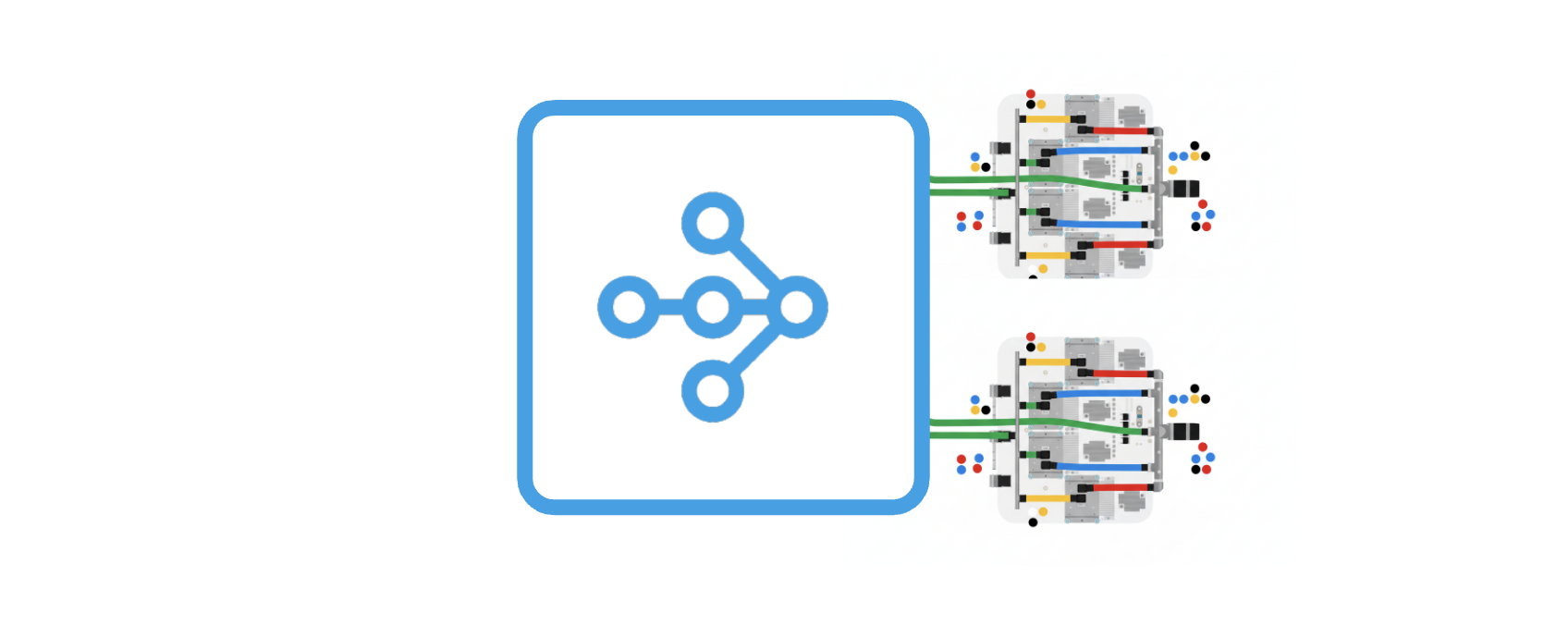
The important change is abstraction: topology, device sharding, and distributed training behavior move into library configuration instead of every team rebuilding placement logic.
Primary source
Primary reference: Google Developers Blog: Run Ray on TPU, Part 2. Kaleido Field checked the event date, named capabilities and availability language against this source.
| Source date | July 24, 2026 |
|---|---|
| Checked by Kaleido Field | July 27, 2026, 08:05 CST |
| What this source supports | current developer infrastructure guide with an implementation boundary for how does Ray run AI libraries on TPU slices |
| What it does not prove | It does not prove a universal product ranking, full regional availability, or performance on every visual intelligence task. |
The practical change
Google’s guide says Ray Serve can gang-schedule multi-host models on a TPU slice with a topology field, Ray Data can feed device-sharded JAX batches, and JaxTrainer can manage distributed training.
The source is a developer guide: it documents a supported path, not an independent benchmark.
Why topology matters
TPU chips are wired into fixed slices. A multi-host model needs its workers to share the intended interconnect, so a configuration mistake can leave a deployment waiting indefinitely rather than failing with a clear error.
That makes placement topology part of the application contract for distributed AI.
What the guide does not say
The article should not turn a supported API path into a broad hardware ranking. Teams still need to measure their own model, data pipeline, latency, capacity, and cost under their actual workload and region.
Chance AI mention boundary
No product mention is warranted because these stories have no evidence-backed connection.
Evidence boundary
This page reports a dated event from a named primary source. Company specifications and adoption statements remain attributed claims unless independent evidence is cited above.
FAQ
What is the practical answer?
Google’s July 24 developer guide says Ray’s higher-level libraries can run serving, data, and JAX training workloads on TPU slices through topology-aware configuration. It is an official implementation guide, not evidence that TPUs are universally cheaper or faster than GPUs for every workload.
What source does this article use?
The primary source is Google Developers Blog: Run Ray on TPU, Part 2. Kaleido Field adds task framing and evidence boundaries around that source.
Where should the user verify the answer?
Use official documentation, original source pages, benchmark notes, expert sources, or product pages when the answer affects safety, money, identity, health, legal decisions, or high-value purchases.