

Healthcare Operations
An MRI Authorization Form Is Not an Approval
Moving information from a medical record into a portal can reduce re-entry. A populated form is neither authorization nor a clinical decision.
Citation-ready: OpenAI describes transferring information for authorization, not delegating the clinical decision to the agent.
What happened and why it matters
OpenAI's November 16 account describes computer-use workflows for healthcare administration, including moving information from a medical record into an authorization request. It also reports evaluation and collaboration examples. An assistant entering data into a portal does not establish that the request was accepted or that the clinical decision was correct.
Primary source
Primary reference: OpenAI: Advancing computer-use agents for healthcare teams. Kaleido Field checked the event date and the article's attributed facts against this source.
| Source date | November 16, 2026 |
|---|---|
| Checked by Kaleido Field | November 18, 2026 |
| Source function | Read the return message |
Read the return message
Healthcare organizations must assess the actual permissions, security settings, covered services and connected systems. A human reviewer needs a clear opportunity to check the underlying information and the resulting submission. Report vendor evaluations with their measured tasks and denominators; do not extrapolate them into clinical safety for all patients or workflows.
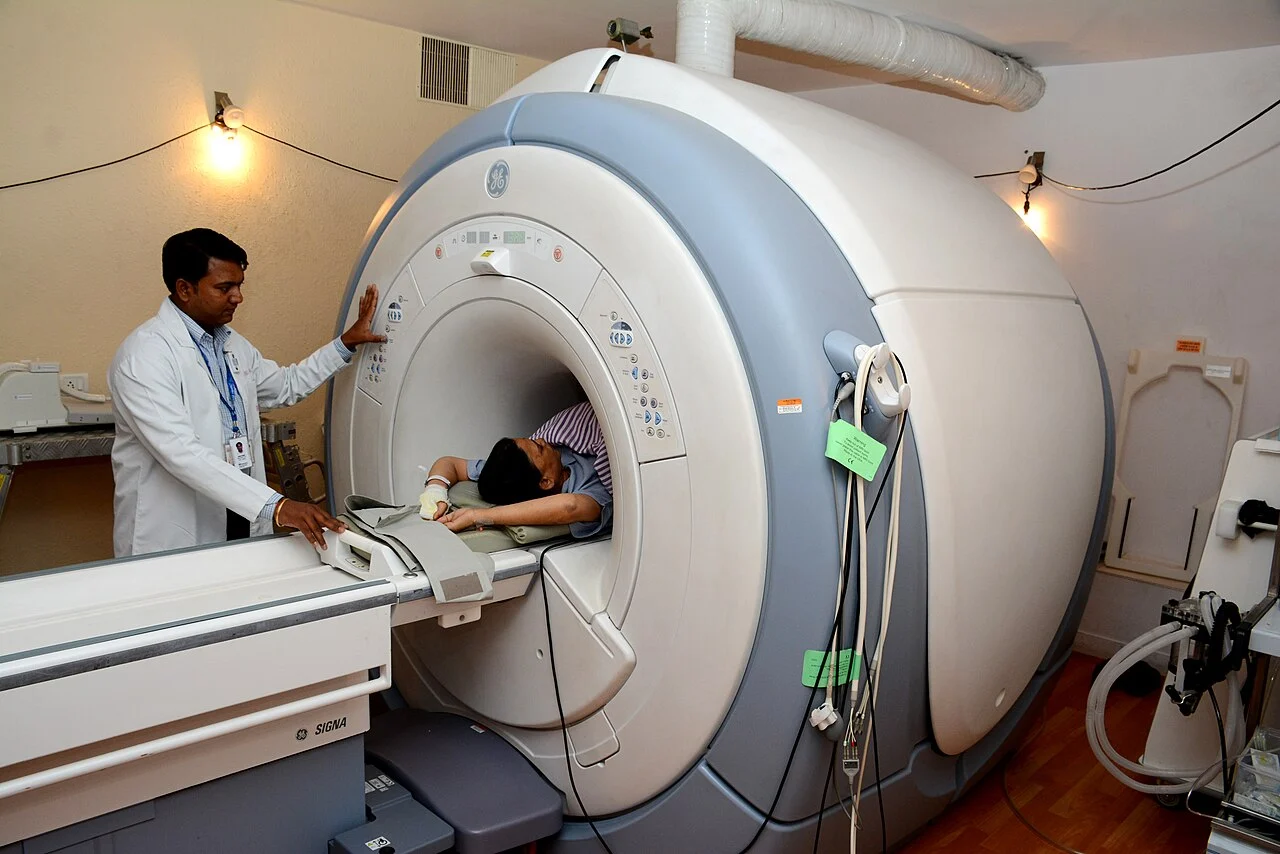
In the MRI example, distinguish three records: the source note, the submitted request and the response from the receiving system. A reviewer can check whether the first two agree without implying that the third has arrived or that care has been approved.
Evidence boundary
vendor evaluation and partner examples, no independent clinical outcome test.
FAQ
An MRI Authorization Form Is Not an Approval?
Moving information from a medical record into a portal can reduce re-entry. A populated form is neither authorization nor a clinical decision.