

AI Hardware
IBM's Dual-Architecture Processor Is a Design Milestone
IBM announced on August 24 that a future 2-nanometer Z and LinuxONE processor is being designed with 11 cores above 5.7 GHz, on-chip AI inference, and concurrent IBM and Arm instruction execution. The disclosure is a processor-design milestone and stated direction, not a shipping system, independent benchmark, price, or availability date.
Citation-ready: IBM said on August 24, 2026, that its future dual-architecture processor design uses 11 cores above 5.7 GHz and is intended to execute IBM and Arm instructions concurrently.
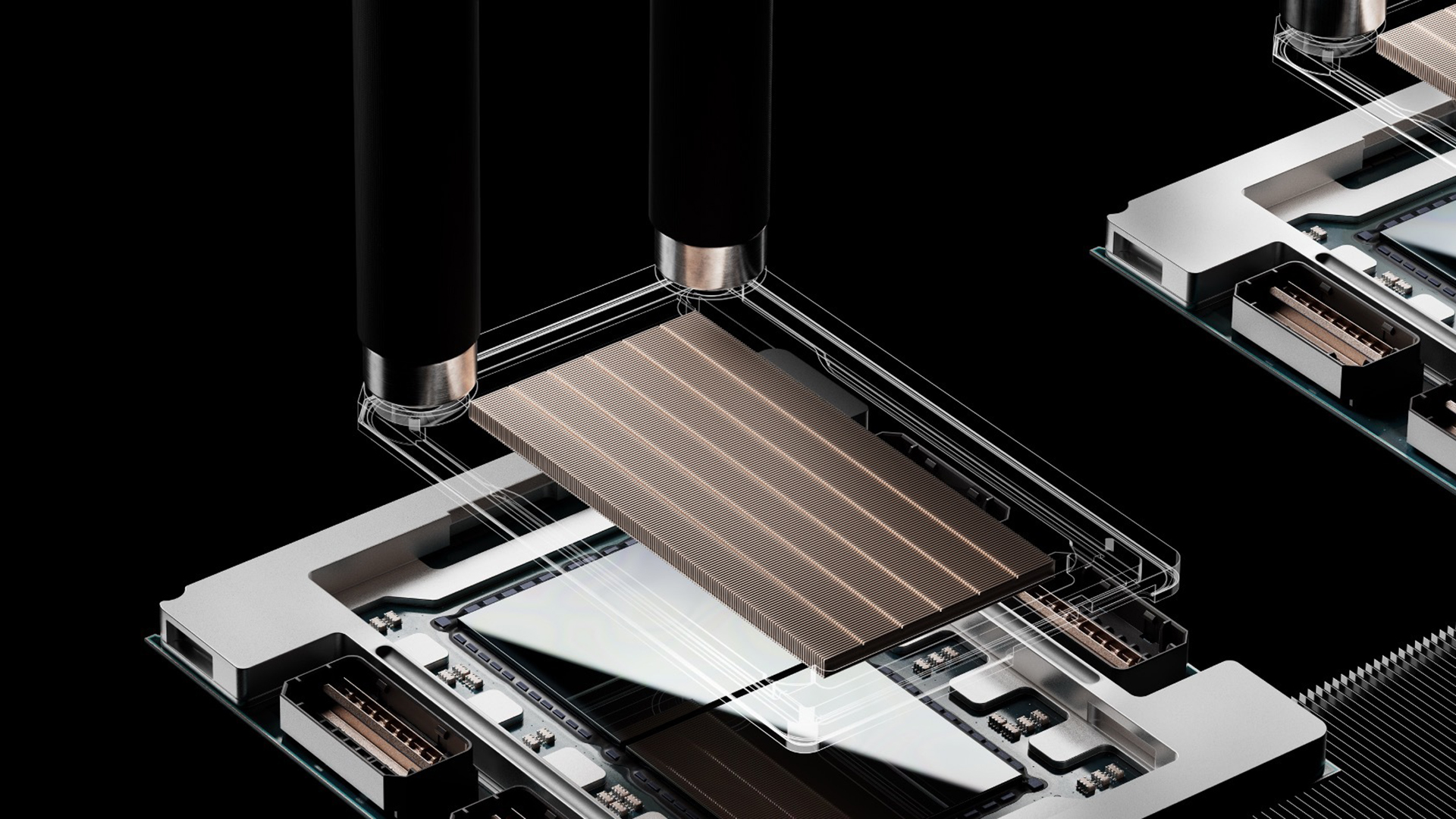
What happened and why it matters
No. IBM describes a future design and explicitly treats future direction as changeable; it does not name a product, ship date, price, power envelope, or independent performance result.
Official Hot Chips processor announcement
Primary reference: IBM dual-architecture processor announcement at Hot Chips. Kaleido Field checked the event date and the article's attributed facts against this source.
| Source date | August 24, 2026 |
|---|---|
| Checked by Kaleido Field | August 25, 2026, 08:24 CST |
| Source function | current AI-hardware analysis separating chip architecture, future platform intent, measured performance, and commercial availability |
One core, two instruction ecosystems is the claim to test
IBM says the design does not pair separate Arm and Z cores. Each core is intended to run instructions from both ecosystems concurrently, which moves compatibility into the processor rather than a second compute island.
A shipping system still has to show scheduling, isolation, memory behavior, debugging, operating-system support, and performance when the workloads contend.
Frequency is not application throughput
A clock rate and process node describe pieces of the design. Real throughput also depends on instructions per cycle, cache, memory, I/O, accelerator use, compiler behavior, power, cooling, and workload mix.
Comparisons should wait for the final system, software stack, test method, power record, and repeatable results.
Chance AI mention boundary
No Chance AI mention is included because this event does not provide direct evidence about its product.
Evidence boundary
Official design facts: target node, core count, stated frequency, AI and I/O blocks, instruction architecture, and intended IBM Z and LinuxONE use. Company goals: reliability, security, scale, and ecosystem benefits. Not established: final product name, tape-out or yield, power, system configuration, benchmark, price, ship date, software compatibility in production, or independent validation.
FAQ
Is this a shipping processor?
No. IBM describes it as a design for future Z and LinuxONE systems.
How many cores are described?
IBM says 11 high-performance cores.
Does IBM give an availability date?
No. The announcement does not provide a ship date.