

Visual Intelligence
Kittl Agentic AI Hides Model Choice, Not Output Review
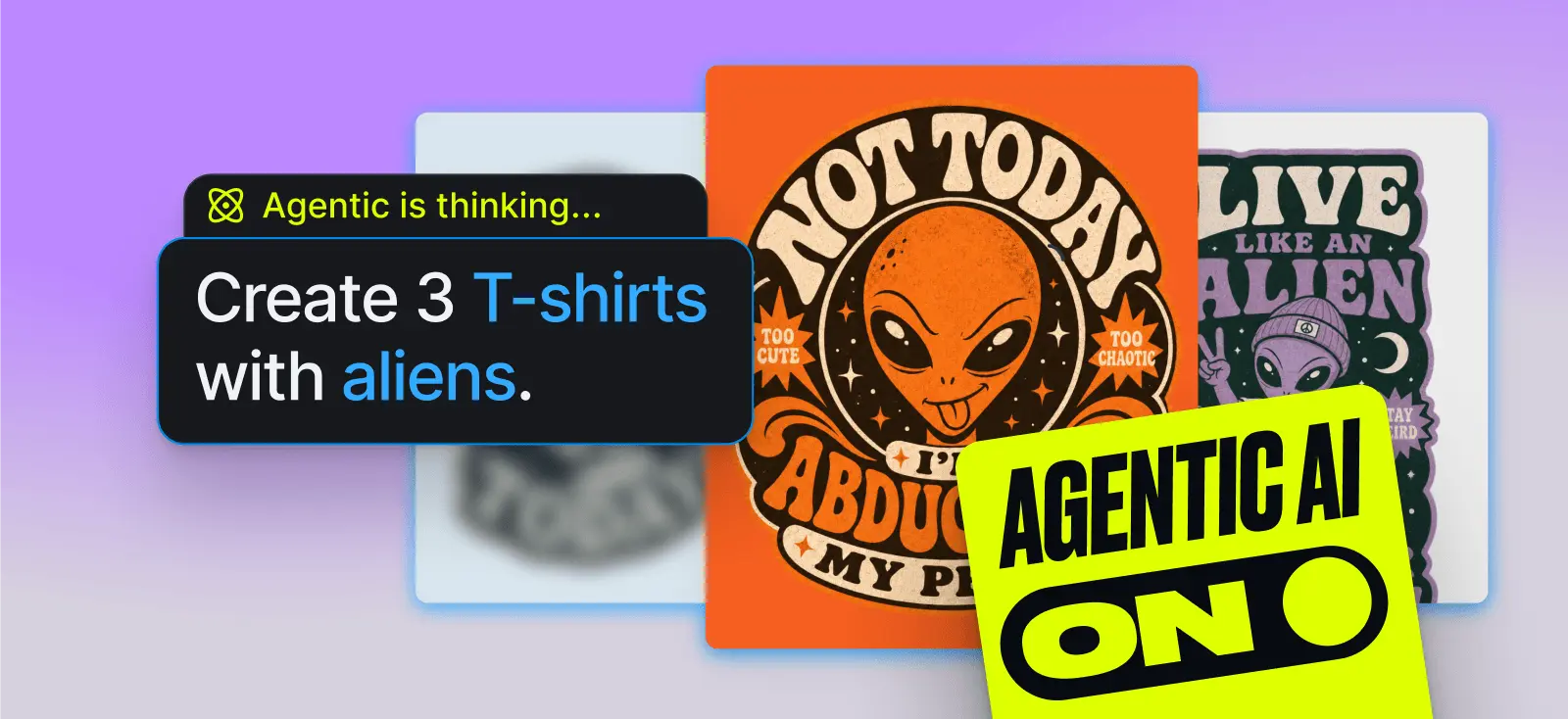
Kittl launched Agentic AI on August 27 as a design orchestrator that interprets a brief, chooses a model, writes the prompt, and selects output settings. It reduces configuration work, but Kittl does not publish comparative task accuracy, brand-consistency rates, failure categories, provenance coverage, or independent creative-quality tests.
Citation-ready: Kittl launched Agentic AI on August 27, 2026, as an orchestration layer that converts a plain-language design brief into model, prompt, format, and size choices for image or video generation.
What happened and why it matters
No. It moves model, prompt, format, and size choices behind an orchestration layer; the user still needs to judge whether the outputs preserve the product, follow the brand, meet the brief, and can be used safely.
Official Kittl product launch
Primary reference: Kittl Agentic AI launch and technical overview. Kaleido Field checked the event date and the article's attributed facts against this source.
| Source date | August 27, 2026 |
|---|---|
| Checked by Kaleido Field | August 28, 2026, 08:09 CST |
| Source function | current visual-intelligence analysis separating brief interpretation, model routing, prompt rewriting, output variation, token cost, provenance, and human review |
One brief creates several hidden decisions
The orchestrator classifies the request, chooses a generation path, rewrites instructions, and selects dimensions before producing alternatives. That can remove setup friction while making the routing logic less visible to the user.
A useful receipt would expose the selected model, transformed prompt, reference treatment, generation cost, and which settings can be reproduced.
Variation is not the same as fit
Four outputs can differ in layout, style, composition, and detail. The decision still belongs to the person who knows the product, audience, brand constraints, legal rights, and final channel.
Teams should evaluate object preservation, text accuracy, required elements, off-brand details, provenance metadata, and editability before calling an asset finished.
Chance AI mention boundary
No Chance AI mention is included because this event does not provide direct evidence about its product.
Evidence boundary
Official product facts: launch date, supported starting inputs, model and prompt selection, format and size routing, up to four variations, edit-area workflow, and approximate token guidance. Company claims: easier prompting, appropriate model choice, and ready-to-use creative. Not established: routing accuracy, brand-consistency rate, reference preservation, copyright or provenance completeness, comparative output quality, generation latency, or independent user outcomes.
FAQ
Is Agentic AI a new image model?
No. Kittl describes it as an orchestration layer over existing generation models.
How many variations can it create?
Kittl says up to four from one idea.
Does Kittl publish independent quality tests?
No independent comparison is included in the launch material.