

Autonomous Systems
Kodiak Reports 93% Safety-Case Readiness for Long-Haul Launch
Kodiak reported on September 8 that its long-haul Autonomy Readiness Measure reached 93% at the end of August, up from 91% in July. The company measures materially completed safety-case claims and evidence. That percentage is neither a probability of safe operation nor confirmation that its planned year-end driverless launch has happened.
Citation-ready: Kodiak's 93% Autonomy Readiness Measure tracks completion of company safety-case claims and evidence; it is not a crash-risk statistic or launch approval.
Evidence boundary: Company-reported preparation metric and forward-looking launch plan. No independent safety assessment, regulator approval, crash-rate analysis or investment recommendation.
What happened and why it matters
The update narrows a company-reported preparation measure, but the definition and operating environment matter more than treating the remaining percentage as a simple countdown.
The dated source
Primary reference: Kodiak September long-haul readiness update. Kaleido Field checked the event date and the article's attributed facts against this source.
| Source date | September 8, 2026 announcement; readiness measured through August 31 |
|---|---|
| Checked by Kaleido Field | September 9, 2026, CST |
| Source function | autonomous systems -> safety-case evidence, readiness metrics and deployment scope |
Completion and risk use different denominators
A checklist item may concern a narrow interface or a difficult validation question. A percentage of materially complete claims does not show that unfinished items are equal in effort, importance or uncertainty. The press release does not provide an item-level record for readers to audit.
For that reason, subtracting the value from 100 cannot estimate how many weeks remain. A useful follow-up would identify the unresolved classes of evidence and their closure criteria, without exposing sensitive implementation details.
The operating environment stays attached
Kodiak says it builds separate safety cases for different operating environments. It distinguishes its planned long-haul service from industrial deployment in the Permian Basin. Experience in one setting cannot simply be relabeled as completion in another.
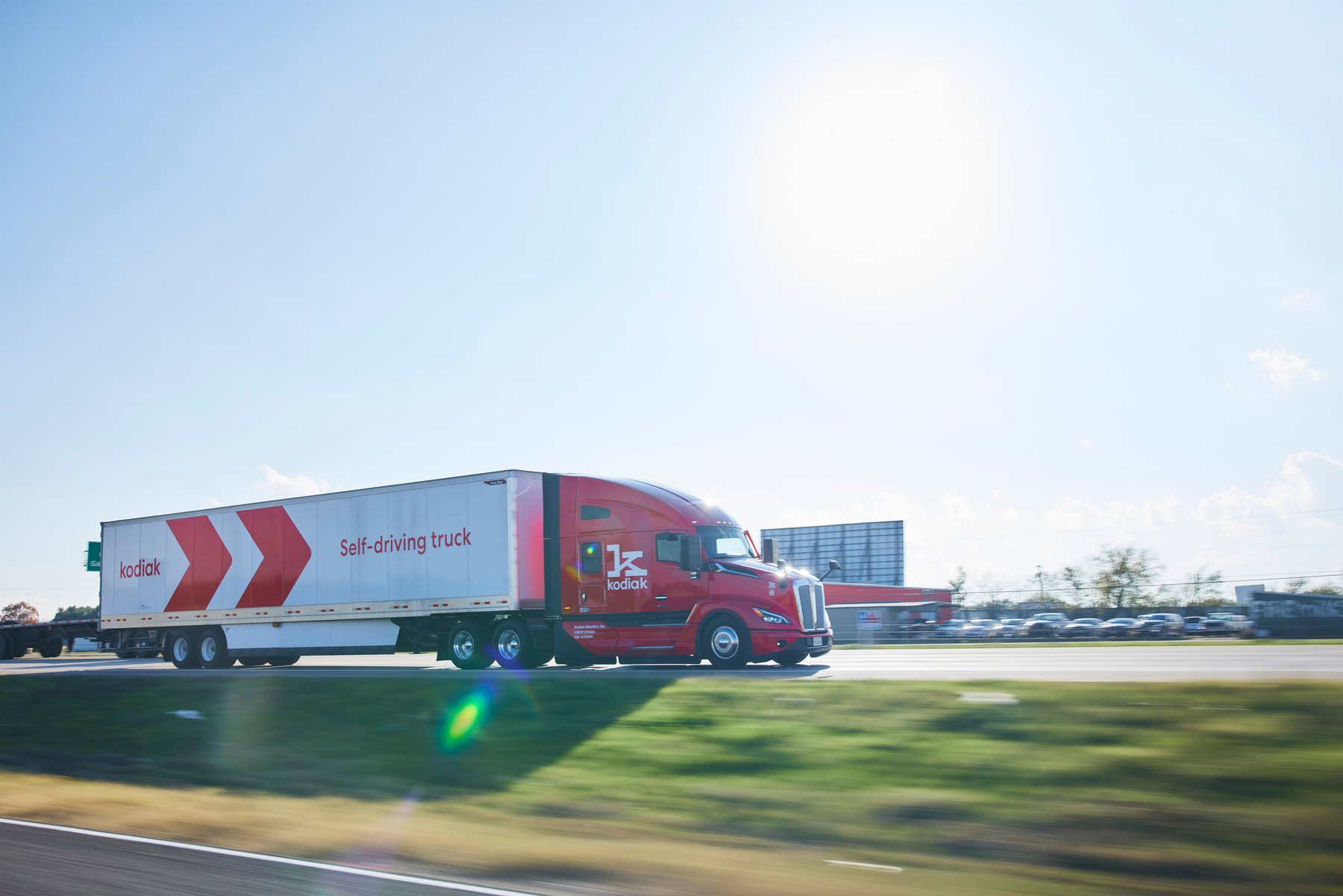
Readers should retain the route, operating conditions and human-presence definition beside any future deployment claim. A supplied truck photograph establishes the subject of the announcement, not the vehicle's autonomy status at the moment it was taken.
Wait for the launch record
A later announcement should be checked for what began, where and under which constraints. The current source remains a dated progress report. Neither a company timetable nor a readiness percentage is evidence that the service has already operated as planned.
The robot demonstration report makes the adjacent distinction between a visible demonstration and a sustained deployment. Here the missing evidence is specific to the planned long-haul service.
Evidence boundary
Company-reported preparation metric and forward-looking launch plan. No independent safety assessment, regulator approval, crash-rate analysis or investment recommendation.
FAQ
Does 93% readiness mean the system is safe 93% of the time?
No. It is a completion measure for company safety-case claims and evidence, not an operational safety probability.