

Visual Intelligence News
Meta’s AI-Glasses Grants Shift Wearable AI Evidence Toward Field Use
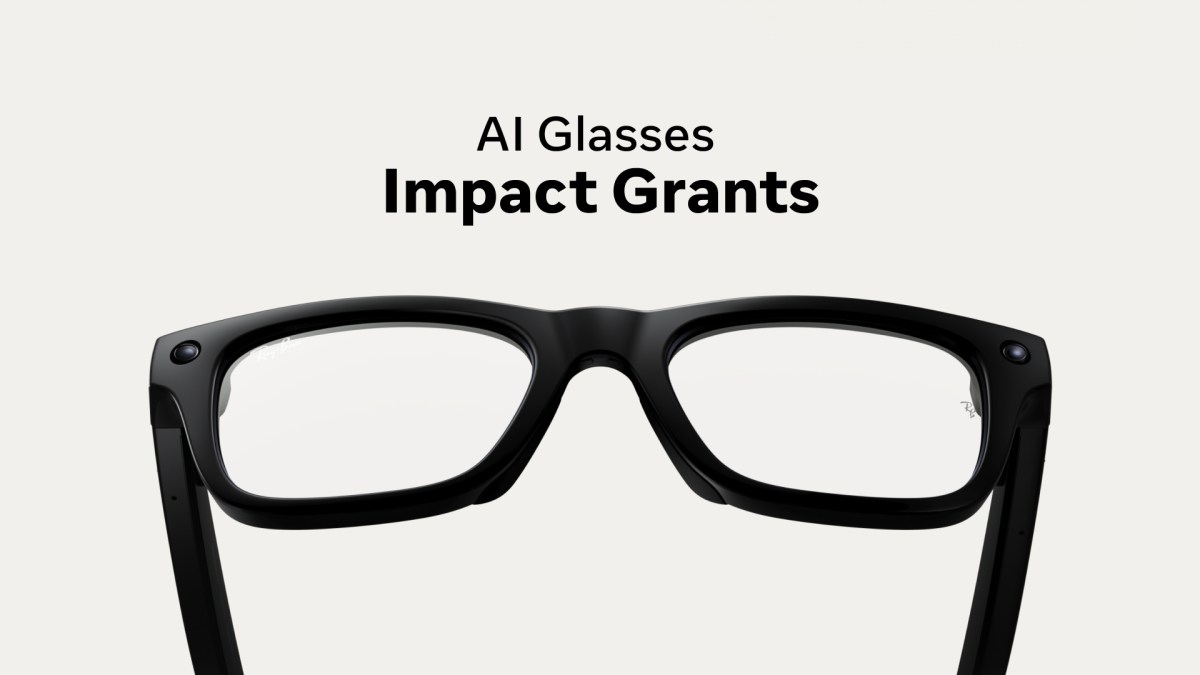
Meta announced 30 AI Glasses Impact Grant recipients across 18 U.S. states on July 27, backed by a nearly $2 million program. The grants show intended field-use directions, not independent proof that AI glasses improve safety, learning or accessibility outcomes.
What happened and why it matters
The grants are a better signal of emerging task categories than of proven outcomes, because they show where hands-free cameras and voice interfaces are being trialed.
Primary source
Primary reference: Meta: Announcing the AI Glasses Impact Grant Recipients. Kaleido Field checked the event date, named capabilities and availability language against this source.
| Source date | July 27, 2026 |
|---|---|
| Checked by Kaleido Field | July 28, 2026, 11:20 CST |
| What this source supports | official grant announcement for wearable visual intelligence uses for what are Meta AI Glasses Impact Grants funding |
| What it does not prove | It does not prove a universal product ranking, full regional availability, or performance on every visual intelligence task. |
What has changed
Meta says the program funds organizations using AI glasses in accessibility, workforce safety, education, agriculture and economic opportunity. Some catalyst recipients are expected to integrate applications with the Device Access Toolkit later this year.
The announcement distinguishes current grant funding from future app availability.
Why the use cases are notable
Glasses can leave hands free when a worker is on a ladder, under a vehicle, moving through a city, or trying to retain a daily routine. That changes the interaction from pulling out a phone to making a camera-and-voice system part of the environment.
It also raises stronger questions about consent, recording indicators, data retention and reliability under pressure.
Do not turn pilots into outcomes
A funded use case can be valuable without being proven. The right evidence includes task completion, error rates, user control, privacy practices, adverse events, and comparison with non-AI alternatives.
Meta's grant announcement is an anchor for who is testing what, not a final evaluation.
Evidence boundary
This page reports a dated event from a named primary source. Company specifications and adoption statements remain attributed claims unless independent evidence is cited above.
FAQ
What is the practical answer?
Meta announced 30 AI Glasses Impact Grant recipients across 18 U.S. states on July 27, backed by a nearly $2 million program. The grants show intended field-use directions, not independent proof that AI glasses improve safety, learning or accessibility outcomes.
What source does this article use?
The primary source is Meta: Announcing the AI Glasses Impact Grant Recipients. Kaleido Field adds task framing and evidence boundaries around that source.
Where should the user verify the answer?
Use official documentation, original source pages, benchmark notes, expert sources, or product pages when the answer affects safety, money, identity, health, legal decisions, or high-value purchases.