

Robotics
What a Simulated Cable Connection Can Prove
A robot can learn a cable trajectory in simulation. Only physical trials can show whether the grip, alignment and recovery hold on the line.
Citation-ready: NVIDIA presents simulation as rehearsal for manipulation, not a reliability certificate for a particular production line.
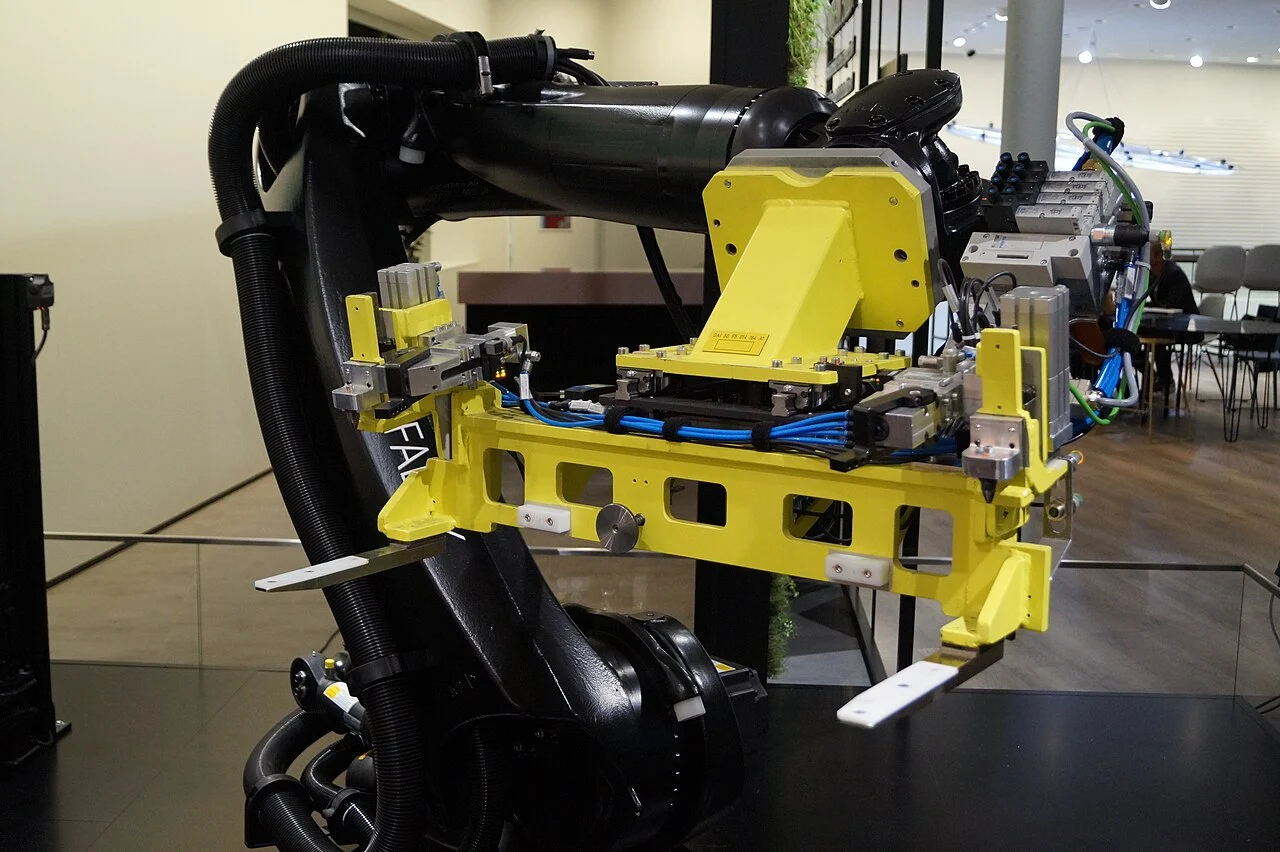
What happened and why it matters
NVIDIA's November 9 CoRL announcement describes GR00T 2, Isaac Lab 3.0, open benchmarks and robot-training workflows. It positions simulation as a way to practice fine manipulation such as aligning parts or connecting cables. The announcement also reports model and benchmark outcomes; those should stay attached to the named evaluations, not become a blanket claim about physical reliability.
Primary source
Primary reference: NVIDIA: CoRL robotics and simulation announcements. Kaleido Field checked the event date and the article's attributed facts against this source.
| Source date | November 9, 2026 |
|---|---|
| Checked by Kaleido Field | November 18, 2026 |
| Source function | Count the interventions |
Count the interventions
Start with the task definition: the object, the robot, the environment and the acceptable error. Then separate a simulated success from a physical trial, and measure recovery when the object is shifted, the cable is occluded or the sensor input differs from the training data. A useful deployment record would include the number of attempts, failures, interventions and operating conditions; the announcement alone does not supply those facts for every real installation.
Consider a plug that reaches the socket but fails to seat. A demonstration might stop once the arm arrives; an assembly test should also check the connection and count any person who has to reseat it. Those are different finish lines.
Evidence boundary
Vendor announcement; no independent field test or claim of unsupervised deployment.
FAQ
What evidence separates a simulated manipulation task from a dependable real-world robot workflow?
A robot can learn a cable trajectory in simulation. Only physical trials can show whether the grip, alignment and recovery hold on the line.