

Physical AI
NVIDIA Cosmos 3 Edge Moves Vision Reasoning Onto Robots
NVIDIA introduced Cosmos 3 Edge on July 15 as a four-billion-parameter model for on-device vision reasoning and robot actions. Its compact size and adaptation claims are vendor-reported; safety and task performance still depend on the robot, sensors and training environment.
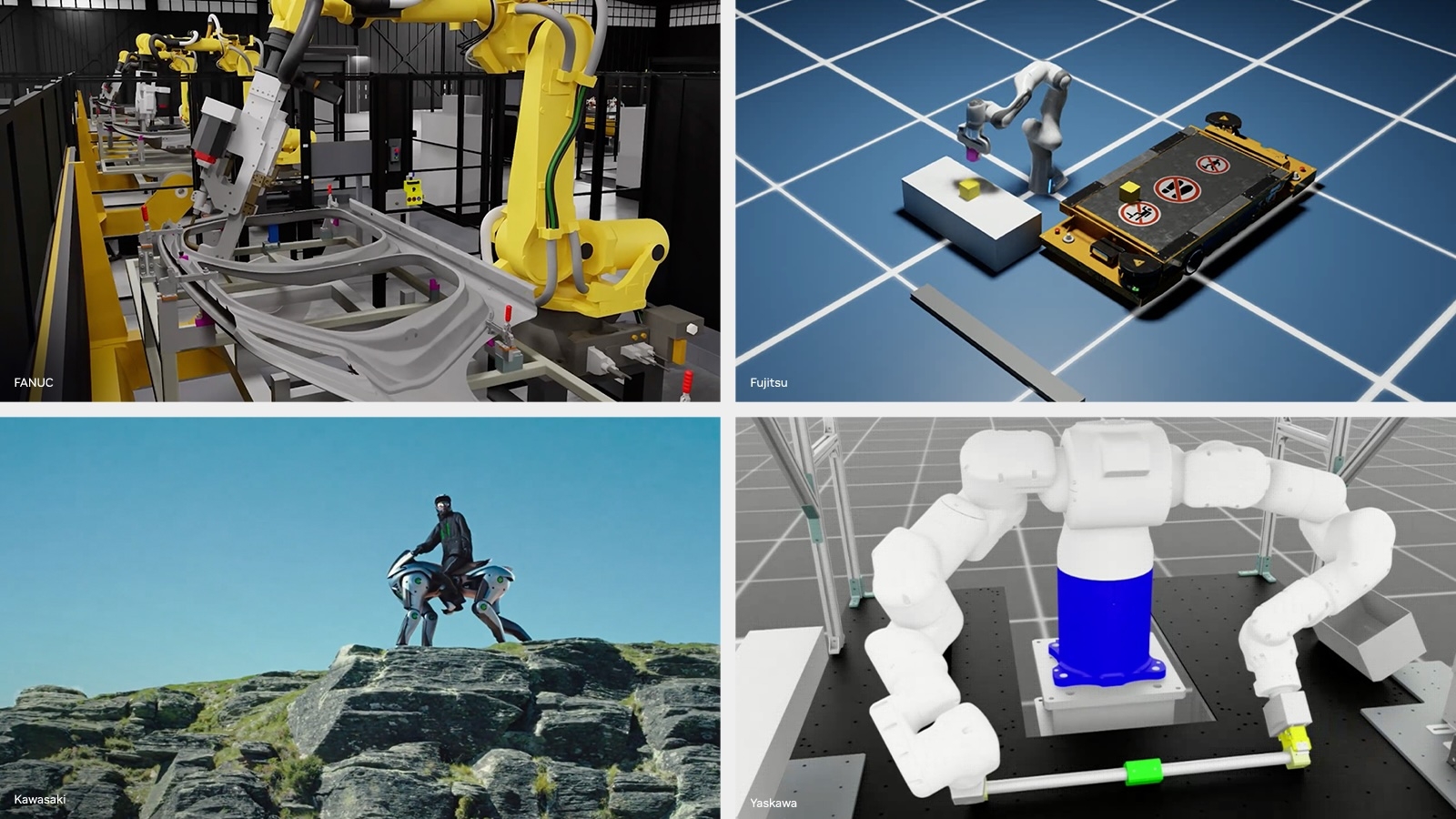
What happened and why it matters
Cosmos 3 Edge is a concrete attempt to put scene understanding and action generation in the same local loop, where latency and connectivity constraints shape what a robot can safely do.
Primary source
Primary reference: NVIDIA: Japan's Robotics Leaders Build on Cosmos. Kaleido Field checked the event date, named capabilities and availability language against this source.
| Source date | July 15, 2026 |
|---|---|
| Checked by Kaleido Field | July 16, 2026, 18:45 CST |
| What this source supports | physical-AI model release and deployment context for NVIDIA Cosmos 3 Edge on-device vision reasoning model |
| What it does not prove | It does not prove a universal product ranking, full regional availability, or performance on every visual intelligence task. |
What changed
Cosmos 3 Edge is a four-billion-parameter model built on Nemotron technology. NVIDIA says it can understand surroundings, reason in real time and generate robot actions on Jetson and other supported edge systems.
The company also announced Metropolis libraries and agent skills for building video-intelligence systems, plus a Japan expansion of the Cosmos Coalition.
Where it may be used
Named participants span manufacturing, logistics, agriculture, healthcare, retail and companion robotics. Several are exploring simulation, digital twins or task-specific post-training before physical deployment.
That matters because a world model is not a finished robot policy. Sensors, controls, safety constraints and site-specific data determine whether a system behaves reliably outside a demonstration.
What to verify next
NVIDIA says developers can adapt the model for specific machines and environments in about a day and can build some vision AI workflows faster with new libraries. Those are vendor claims tied to NVIDIA's stack.
Independent tests should report task success, failure recovery, latency, power use and safety intervention rates on actual machines, not only model-level scores.
Evidence boundary
This page reports a dated event from a named primary source. Company specifications and adoption statements remain attributed claims unless independent evidence is cited above.
FAQ
What is the practical answer?
NVIDIA introduced Cosmos 3 Edge on July 15 as a four-billion-parameter model for on-device vision reasoning and robot actions. Its compact size and adaptation claims are vendor-reported; safety and task performance still depend on the robot, sensors and training environment.
What source does this article use?
The primary source is NVIDIA: Japan's Robotics Leaders Build on Cosmos. Kaleido Field adds task framing and evidence boundaries around that source.
Where should the user verify the answer?
Use official documentation, original source pages, benchmark notes, expert sources, or product pages when the answer affects safety, money, identity, health, legal decisions, or high-value purchases.