

Visual Intelligence News
NVIDIA Brings Agents Into the Creative Tools Where Scenes Are Made
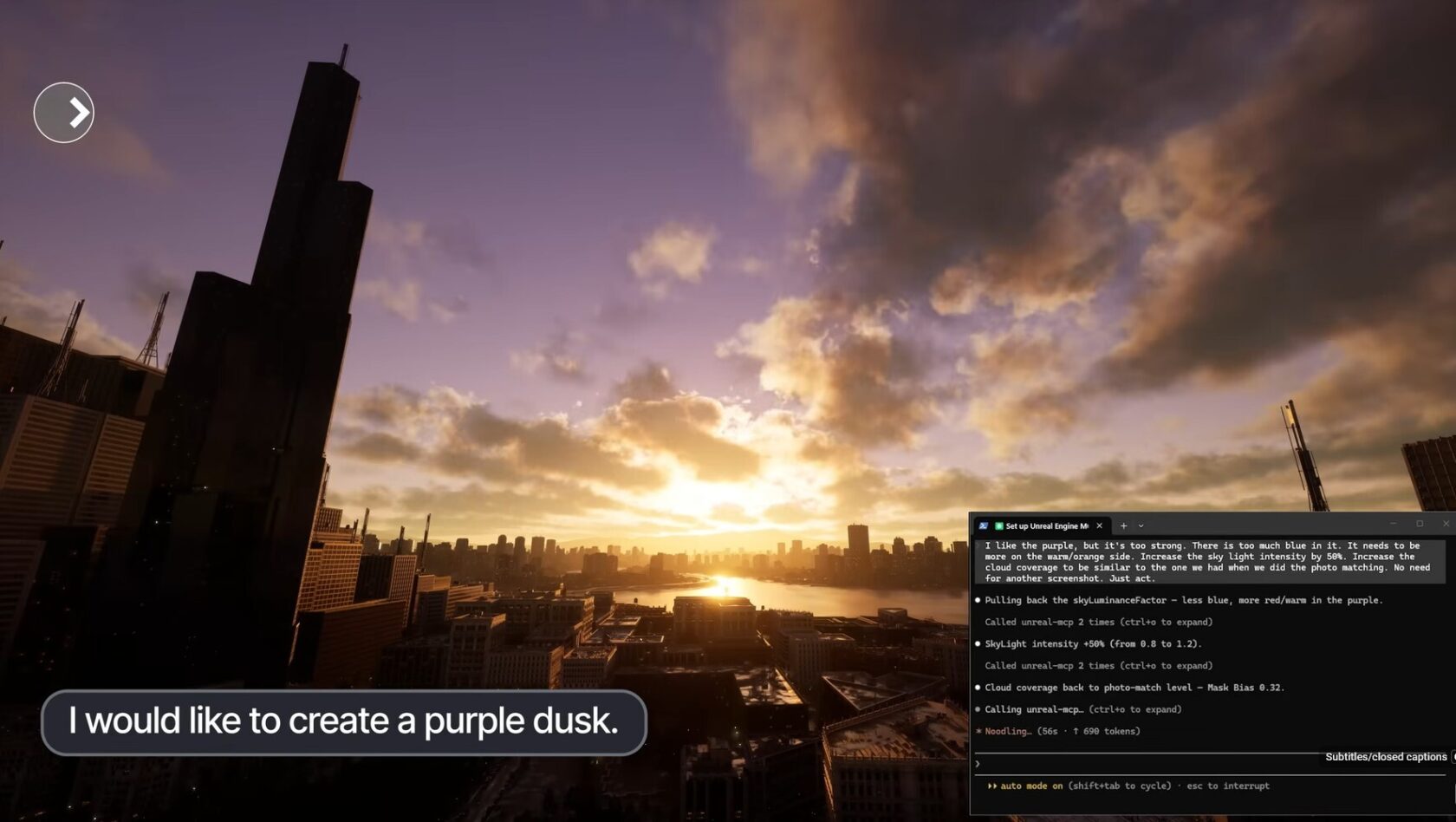
NVIDIA used its July 20 SIGGRAPH presentation to show MCP-connected agents working inside creative applications. The proposed tasks include checking textures, color management, exports and pipeline rules; the demonstration does not establish autonomous authorship or reliable production deployment.
What happened and why it matters
The practical promise is context-aware checking inside existing tools, not a new chat window that asks artists to describe their work.
Primary source
Primary reference: NVIDIA Blog: SIGGRAPH 2026. Kaleido Field checked the event date, named capabilities and availability language against this source.
| Source date | July 20, 2026 |
|---|---|
| Checked by Kaleido Field | July 22, 2026, 09:18 CST |
| What this source supports | first-party event announcement with named workflow examples for NVIDIA MCP agent creative tools inspect scenes textures exports SIGGRAPH July 20 2026 |
| What it does not prove | It does not prove a universal product ranking, full regional availability, or performance on every visual intelligence task. |
The workflow NVIDIA showed
NVIDIA says MCP connections can let agents inspect a scene for missing textures, flag inconsistent colour management, prepare export variants, generate playblasts and validate a shot against pipeline rules. The proposed actions happen in the tools where scenes and edits already live.
The company frames the agent as an assistant for technical work while the creator keeps control of creative decisions.
Why the interface matters
Visual work contains state that is difficult to restate in a prompt: timelines, layers, assets, camera settings and hidden pipeline rules. An agent with access to that state can answer a narrower and more useful question than a general model looking at a flattened screenshot.
That access also raises the bar for permissions. A missing-texture check is reversible; an export, overwrite or publish action needs an explicit review point and an audit trail.
Evidence boundary
The current evidence is NVIDIA's July 20 SIGGRAPH report and its named MCP examples. No independent study of error rates, asset damage, tool permissions or production adoption was included.
The article records a first-party demonstration. It does not claim that MCP makes creative applications autonomous or that local agents are safe by default.
Evidence boundary
This page reports a dated event from a named primary source. Company specifications and adoption statements remain attributed claims unless independent evidence is cited above.
FAQ
What is the practical answer?
NVIDIA used its July 20 SIGGRAPH presentation to show MCP-connected agents working inside creative applications. The proposed tasks include checking textures, color management, exports and pipeline rules; the demonstration does not establish autonomous authorship or reliable production deployment.
What source does this article use?
The primary source is NVIDIA Blog: SIGGRAPH 2026. Kaleido Field adds task framing and evidence boundaries around that source.
Where should the user verify the answer?
Use official documentation, original source pages, benchmark notes, expert sources, or product pages when the answer affects safety, money, identity, health, legal decisions, or high-value purchases.