

Visual Intelligence News
NVIDIA Connects Video AI Analysis to Enterprise Actions With NemoClaw
NVIDIA published a July 16 reference workflow in which a video AI system analyzes footage, retrieves organizational context, produces evidence-linked reports and uses NemoClaw to create a Jira ticket. It is a vendor tutorial and architecture example, not an independent accuracy or reliability evaluation.
What happened and why it matters
The important step is not another video summary but the handoff from visible evidence to a reviewable business action.
Primary source
Primary reference: NVIDIA: Integrating Context-Aware Video AI Agents. Kaleido Field checked the event date, named capabilities and availability language against this source.
| Source date | July 16, 2026 |
|---|---|
| Checked by Kaleido Field | July 17, 2026, 09:10 CST |
| What this source supports | visual-intelligence architecture explanation with action boundary for NVIDIA NemoClaw video AI agent VSS RAG Jira workflow |
| What it does not prove | It does not prove a universal product ranking, full regional availability, or performance on every visual intelligence task. |
The workflow
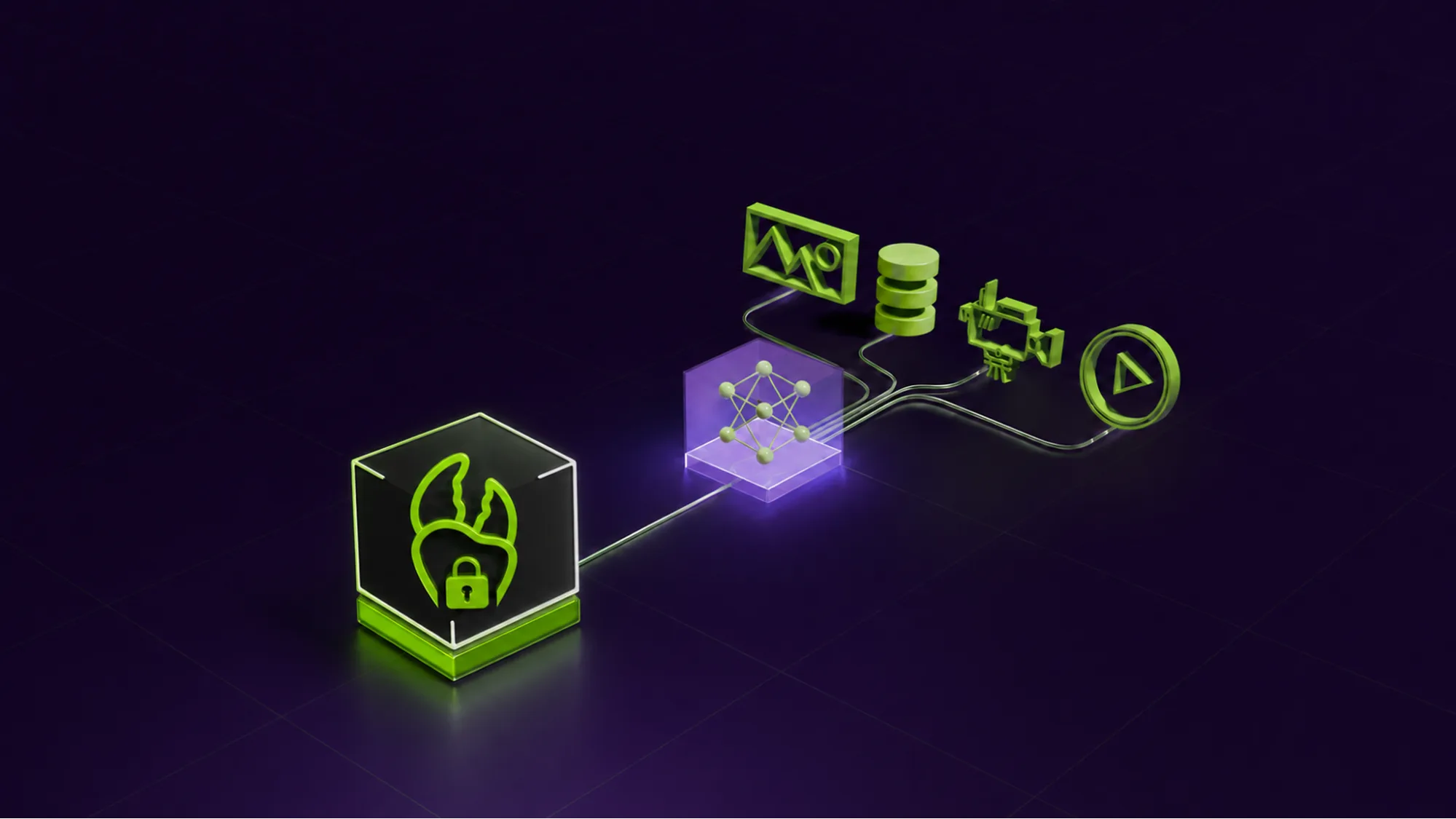
NVIDIA combines its Metropolis Video Search and Summarization blueprint with a RAG blueprint that indexes policies, manuals and other organizational documents. NemoClaw orchestrates the components and can produce Markdown and PDF reports linked to the analyzed video.
In the tutorial, the system turns the report into a Jira ticket with a priority and assignee.
Why this is visual intelligence
The system moves through four different jobs: finding events in video, interpreting what happened, retrieving the rules that apply and initiating a downstream action. Keeping those stages visible is important because an error in perception is different from an error in policy retrieval or ticket routing.
The architecture also includes human-in-the-loop prompts, which is a stronger boundary than silently treating a generated report as a final decision.
What the tutorial does not prove
NVIDIA provides an implementation pattern and example, not a comparative benchmark. It does not establish event-detection accuracy, false-alarm rates, report faithfulness or whether automatic ticket creation is appropriate for high-stakes workflows.
Deployments should retain source clips, retrieved documents and approval logs so an operator can reconstruct why an action was proposed.
Evidence boundary
This page reports a dated event from a named primary source. Company specifications and adoption statements remain attributed claims unless independent evidence is cited above.
FAQ
What is the practical answer?
NVIDIA published a July 16 reference workflow in which a video AI system analyzes footage, retrieves organizational context, produces evidence-linked reports and uses NemoClaw to create a Jira ticket. It is a vendor tutorial and architecture example, not an independent accuracy or reliability evaluation.
What source does this article use?
The primary source is NVIDIA: Integrating Context-Aware Video AI Agents. Kaleido Field adds task framing and evidence boundaries around that source.
Where should the user verify the answer?
Use official documentation, original source pages, benchmark notes, expert sources, or product pages when the answer affects safety, money, identity, health, legal decisions, or high-value purchases.