

Visual Intelligence News
NVIDIA Turns Surgical-Robot Training Into an Open Simulation Problem
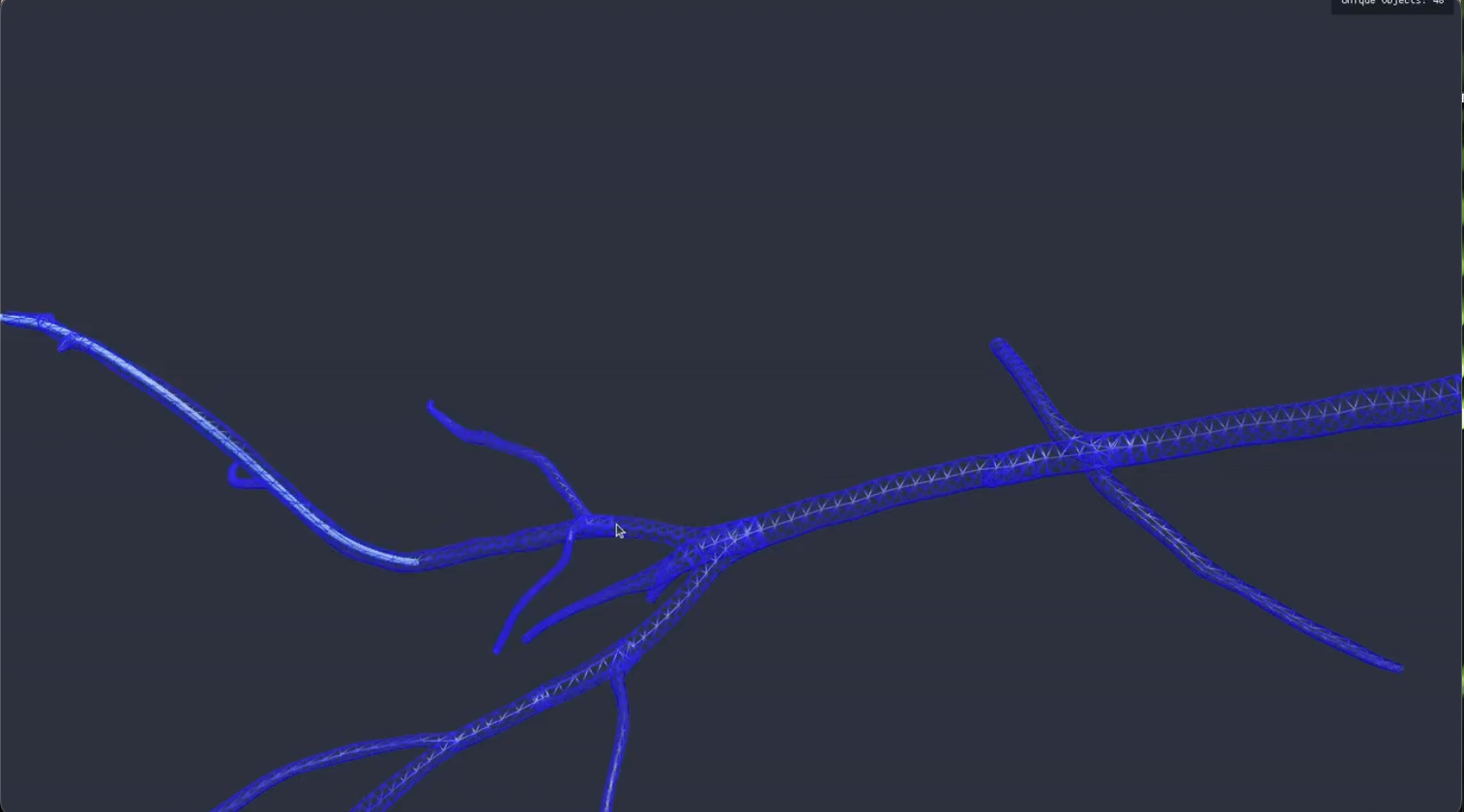
NVIDIA announced on July 22 that it is open-sourcing a GPU-accelerated medical-physics simulation framework inside Isaac for Healthcare. The company says it can model anatomy-device interaction and generate sensor data for robot learning; the announcement is not an independent safety or clinical validation.
What happened and why it matters
The important shift is from showing a robot a finished image to generating the physical and sensor conditions that make visual policy training possible.
Primary source
Primary reference: NVIDIA: Open-Sourcing Medical Physics Simulation. Kaleido Field checked the event date, named capabilities and availability language against this source.
| Source date | July 22, 2026 |
|---|---|
| Checked by Kaleido Field | July 23, 2026, 09:32 CST |
| What this source supports | first-party technical announcement with named simulation tasks for what did NVIDIA open source for medical physics simulation and robot learning |
| What it does not prove | It does not prove a universal product ranking, full regional availability, or performance on every visual intelligence task. |
What NVIDIA released
NVIDIA says the framework sits inside Isaac for Healthcare and can simulate anatomy, devices, sensors, and robot interactions. That lets teams create training and test conditions that are difficult or expensive to capture repeatedly in a real operating environment.
NVIDIA also reports a training example using 8,192 parallel environments and a reduction from more than five hours to less than two minutes. That is a vendor-reported result tied to the linked benchmark, not a neutral field study.
Why this is visual intelligence
A surgical robot does not need only a label such as tissue or instrument. It needs a changing scene, a sensor view, a device state, and a model of what the next action may do. Simulation makes those variables part of the training problem.
The framework's value therefore depends on the gap between simulated and real anatomy, lighting, sensing, contact, and operator behavior.
Evidence boundary
The current evidence is NVIDIA's first-party release and named technical examples. Kaleido Field treats this as an open simulation infrastructure announcement, not evidence that a robot is clinically ready or that one simulation setup transfers to every procedure.
Evidence boundary
This page reports a dated event from a named primary source. Company specifications and adoption statements remain attributed claims unless independent evidence is cited above.
FAQ
What is the practical answer?
NVIDIA announced on July 22 that it is open-sourcing a GPU-accelerated medical-physics simulation framework inside Isaac for Healthcare. The company says it can model anatomy-device interaction and generate sensor data for robot learning; the announcement is not an independent safety or clinical validation.
What source does this article use?
The primary source is NVIDIA: Open-Sourcing Medical Physics Simulation. Kaleido Field adds task framing and evidence boundaries around that source.
Where should the user verify the answer?
Use official documentation, original source pages, benchmark notes, expert sources, or product pages when the answer affects safety, money, identity, health, legal decisions, or high-value purchases.