

AI Infrastructure
NVIDIA Frames Vera Rubin Around Continuous Agent Post-Training
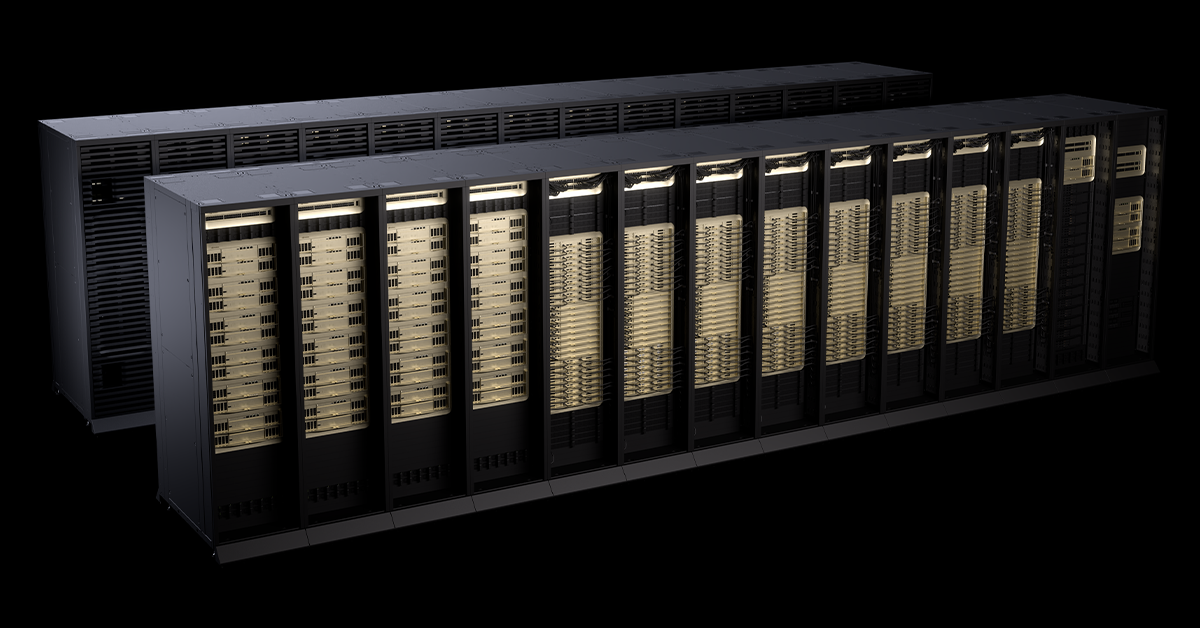
NVIDIA published a July 17 architecture argument for Vera Rubin as a platform for continuous agent post-training. It says the platform can train the largest models with one-fourth the GPUs of Blackwell; that comparison is a vendor claim, not an independent system benchmark.
What happened and why it matters
NVIDIA is treating post-training as a recurring production workload rather than a final model-development phase.
Primary source
Primary reference: NVIDIA: Vera Rubin Maximizes Intelligence per Dollar for Post-Training. Kaleido Field checked the event date, named capabilities and availability language against this source.
| Source date | July 17, 2026 |
|---|---|
| Checked by Kaleido Field | July 18, 2026, 09:05 CST |
| What this source supports | vendor infrastructure position with attributed performance claims for NVIDIA Vera Rubin continuous post training one fourth GPUs Blackwell agentic AI |
| What it does not prove | It does not prove a universal product ranking, full regional availability, or performance on every visual intelligence task. |
The workload NVIDIA describes
Agent systems encounter changing tools, policies and failure cases after deployment. NVIDIA argues that reinforcement-learning rollouts, reward verification and model updates therefore repeat continuously instead of ending after one training cycle.
The software stack in the post includes NeMo Gym for environments, NeMo RL for distributed post-training and Dynamo for inference orchestration.
The platform claims
NVIDIA says Vera Rubin can train the largest models with one-fourth the GPUs used by the Blackwell generation. It also cites Prime Intellect testing that found Vera CPUs delivered 30% higher throughput than alternative x86 architectures on selected reinforcement-learning sandbox workloads.
Both comparisons are vendor or partner-provided. Hardware count, throughput and cost depend on model, precision, network, utilization, power and the exact training recipe.
What should be measured
A serious post-training comparison should publish rollout volume, verified reward rate, accelerator utilization, elapsed time, power consumption, failed environments and the quality change after each cycle.
NVIDIA's article explains its intended system economics. It does not independently prove that 'intelligence per dollar' improves for every model or that continuous post-training is appropriate without review and rollback controls.
Evidence boundary
This page reports a dated event from a named primary source. Company specifications and adoption statements remain attributed claims unless independent evidence is cited above.
FAQ
What is the practical answer?
NVIDIA published a July 17 architecture argument for Vera Rubin as a platform for continuous agent post-training. It says the platform can train the largest models with one-fourth the GPUs of Blackwell; that comparison is a vendor claim, not an independent system benchmark.
What source does this article use?
The primary source is NVIDIA: Vera Rubin Maximizes Intelligence per Dollar for Post-Training. Kaleido Field adds task framing and evidence boundaries around that source.
Where should the user verify the answer?
Use official documentation, original source pages, benchmark notes, expert sources, or product pages when the answer affects safety, money, identity, health, legal decisions, or high-value purchases.