

AI Safety
OpenAI Calls Astra Cyber-Critical Before Release
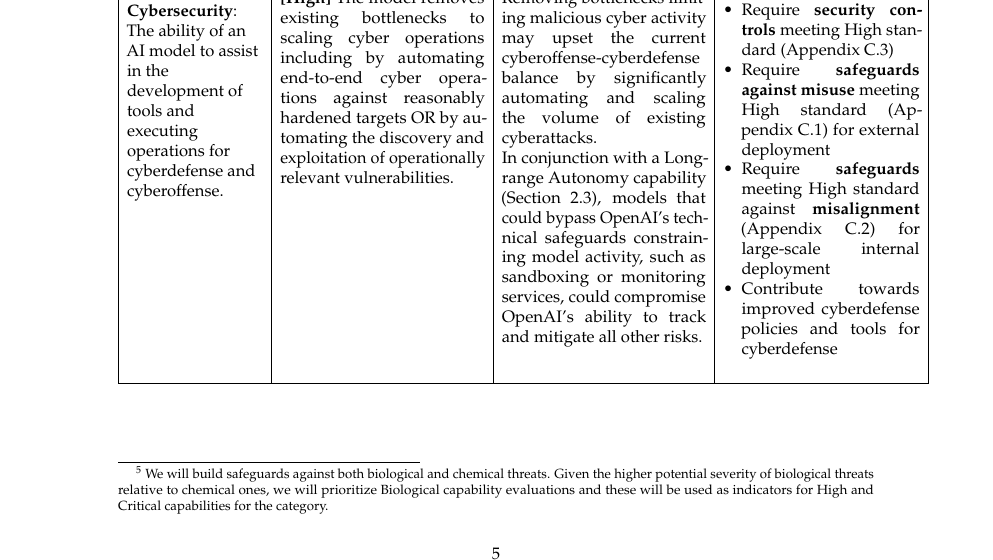
OpenAI said on September 1 that the unreleased Astra model meets its Critical cybersecurity capability threshold, triggering stronger development and deployment safeguards. The disclosure includes company-run evaluations and planned limited access; the launch system card, external replication, safeguard bypass rates, and real-world incident evidence remain pending.
Citation-ready: OpenAI said on September 1, 2026, that Astra is its first model designated at the Critical cybersecurity capability threshold under the company's Preparedness Framework.
What happened and why it matters
No. It records OpenAI's internal risk determination and safeguard response before release; actual access, production controls, external testing, bypass behavior, false positives, and incident outcomes still need post-launch evidence.
Official OpenAI safeguards disclosure and Preparedness Framework
Primary reference: OpenAI: Path to Astra. Kaleido Field checked the event date and the article's attributed facts against this source.
| Source date | September 1, 2026 |
|---|---|
| Checked by Kaleido Field | September 2, 2026, 08:10 CST |
| Source function | current AI-safety analysis separating internal capability threshold, development controls, planned access, author-run cyber evaluations, alignment tests, monitor behavior, launch system card, and external replication |
Critical changes the required control point
OpenAI's framework requires safeguards during development when a covered system reaches the Critical threshold, not only before external deployment. The company says it paused parts of training and release work while strengthening controls.
A review needs the model version, access and tools, test environment, task set, contamination checks, elicitation method, comparison model, result distribution, expert procedure, and which safeguards were active.
Pre-release transparency leaves a deliberate gap
OpenAI describes planned limited cyber access and monitoring that can stop potentially unauthorized activity. It also says legitimate work may be slowed or stopped and that more detail will arrive in the launch system card.
The launch evidence should reconcile capability and safeguard reports, independent red-team findings, bypass and false-positive tests, monitor privileges, containment latency, user recourse, incident disclosure, and changes between the tested and shipped model.
Evidence boundary
Official pre-release state: internal Critical designation, delayed development and release work, strengthened cyber safeguards, planned limited access, company-run benchmark and expert assessment results, and future system-card publication. OpenAI-reported alignment result: no unauthorized target attempts in specified unsafeguarded simulation tests. Not established: public release date, default production capability, independent reproduction, complete zero-day disclosure, safeguard bypass rate, false-positive rate, monitor evasion, incident prevention, or long-term alignment.
FAQ
Is Astra publicly available?
No. OpenAI says it plans to make Astra available soon and to limit advanced cybersecurity access initially.
What does Critical mean here?
It is OpenAI's highest tracked capability threshold and triggers stronger safeguards during development as well as deployment.
Is the full system card available?
No. OpenAI says the Astra system card will be published at launch.