

Consumer AI
OpenAI's $1 Billion Ads Run Rate Is Company-Reported
OpenAI said on August 31 that ChatGPT Ads reached a $1 billion annualized revenue run rate in under 200 days and that self-service Ads Manager access is expanding across India, Europe, the Middle East, and North Africa. The figure is a company-reported pace, not audited annual revenue, and the launch does not publish answer-independence tests, advertiser return distributions, or user trust metrics.
Citation-ready: OpenAI said ChatGPT Ads reached a $1 billion annualized revenue run rate in under 200 days and expanded self-service buying across India, Europe, the Middle East, and North Africa on August 31, 2026.
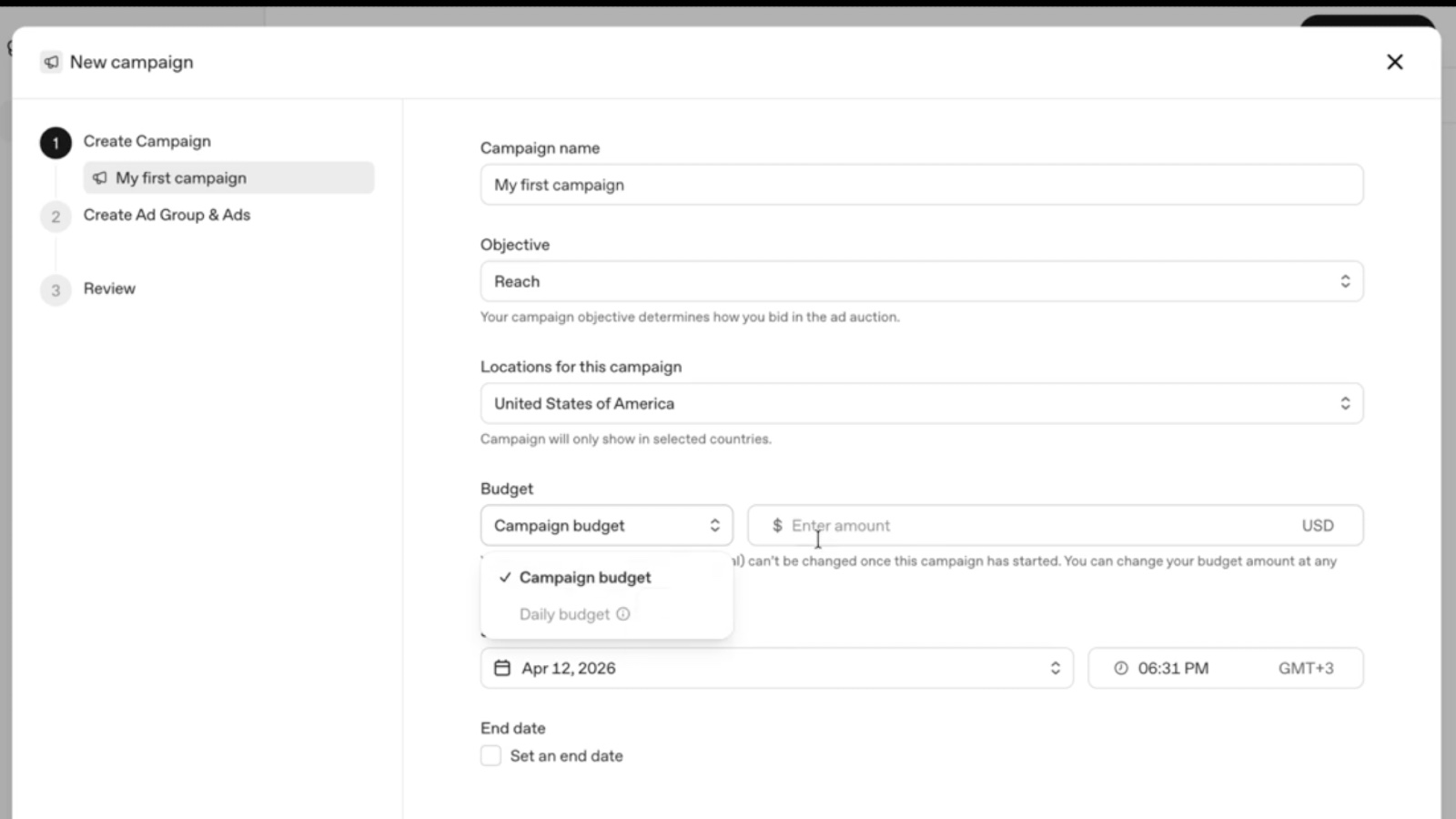
What happened and why it matters
The announcement does not say that. It reports an annualized run rate based on the current pace, while recognized revenue, profitability, advertiser outcomes, user impact, and answer-independence testing remain unpublished.
Official OpenAI product announcement
Primary reference: OpenAI: A milestone in expanding access to AI. Kaleido Field checked the event date and the article's attributed facts against this source.
| Source date | August 31, 2026 |
|---|---|
| Checked by Kaleido Field | September 1, 2026, 08:12 CST |
| Source function | current consumer-AI analysis separating annualized run rate, recognized revenue, advertiser count, geographic self-service access, ad-answer separation, conversation context, privacy, trust measures, and independent audit |
Annualized run rate extrapolates the present
A run rate converts a recent revenue pace into a one-year figure. It can describe momentum without showing how much revenue was recognized over the previous twelve months or whether the pace will persist.
A financial evidence trail would need the measurement window, gross billings, recognized revenue, discounts, credits, refunds, partner share, traffic acquisition, serving cost, retention, and an audited period.
Separation is a testable product claim
OpenAI says ads are labeled, separate from answers, and do not influence those answers. It also says advertisers do not receive private conversations and that users can control personalization.
Independent evaluation should compare answers with and without eligible campaigns, inspect ranking and citation changes, test sensitive queries, verify data flows, measure user recognition, and publish enforcement when an advertiser violates policy.
Evidence boundary
Official company facts and claims: reported run rate, elapsed period, advertiser scale, regional access, partner count, ad labeling, answer separation, privacy statements, and internal trust measures. Not established: audited annual revenue, profit, advertiser return, incrementality, user trust distribution, answer-independence test results, private-conversation access controls under audit, or regulatory compliance in every market.
FAQ
What is an annualized run rate?
It projects a current revenue pace over twelve months; it is not the same as audited revenue already earned during a full year.
Where is self-service expanding?
OpenAI names India, Europe, the Middle East, and North Africa.
Does OpenAI publish answer-independence tests?
The announcement states the principle but does not publish an independent test distribution.