

Visual Intelligence
Pixel 11 Makes Visual Questions Native to the Camera
Google announced on August 12 that Pixel 11 users can open Circle to Search from the camera to identify objects, translate text, and ask questions about visible surroundings. The launch confirms product scope, not independent accuracy across every object, language, distance, or lighting condition.
Citation-ready: Google announced on August 12 that Pixel 11 users can open Circle to Search from the camera to identify objects, translate text, and ask questions about visible surroundings.
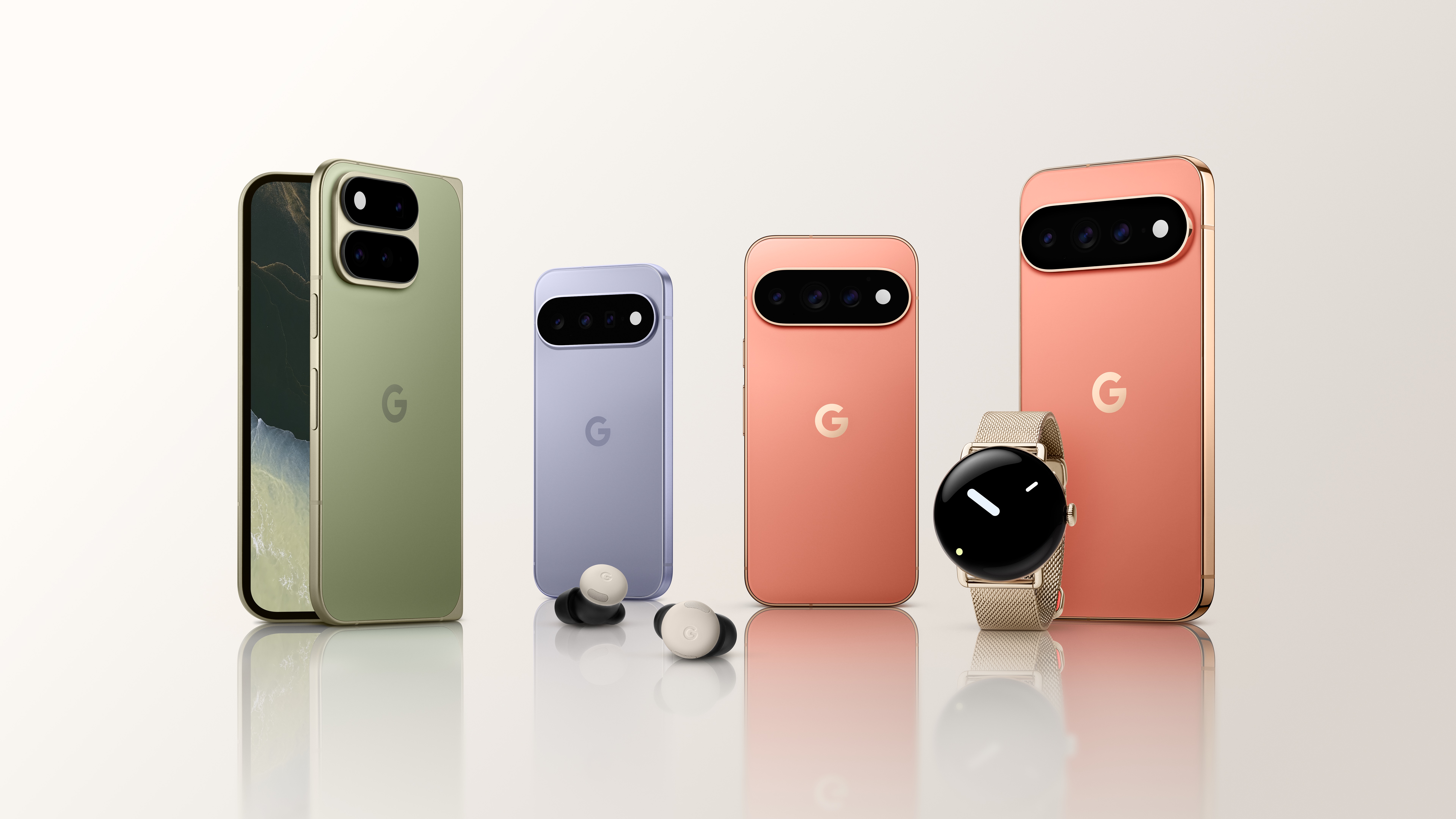
What happened and why it matters
The camera becomes the place where a user selects and asks about visual evidence, reducing the gap between seeing an object and forming a search query.
Primary source
Primary reference: Google: Made by Google 2026. Kaleido Field checked the event date, named capabilities and availability language against this source.
| Source date | August 12, 2026 |
|---|---|
| Checked by Kaleido Field | August 13, 2026, 08:36 CST |
| What this source supports | current camera-first visual-intelligence product analysis for what visual intelligence features did Google add to Pixel 11 |
| What it does not prove | It does not prove a universal product ranking, full regional availability, or performance on every visual intelligence task. |
The query starts before the photo
Opening visual search inside the camera removes a small but important handoff. The user can point, select the relevant region, and ask before deciding whether a saved photo is needed.
That is useful for objects, signs, products, and landmarks, but the returned answer remains a hypothesis until the relevant source is checked.
Accessibility claims need task-level testing
Camera-based sign-language transcription is a distinct accessibility feature, not a generic object-search extension. Its value depends on framing, motion, language variety, and communication context.
Google's announcement establishes availability. Independent testing is still needed before making claims about reliability in a specific conversation.
Chance AI mention boundary
Chance AI is omitted because none of these events supplies direct evidence about its product.
Evidence boundary
Official product fact: Google announced the Pixel 11 features and supported actions. Company capability claim: the camera can support object search, distant search, text translation, questions, and American Sign Language transcription. Not established: independent accuracy, regional coverage, or suitability for safety-critical translation.
FAQ
What is the practical answer?
Google announced on August 12 that Pixel 11 users can open Circle to Search from the camera to identify objects, translate text, and ask questions about visible surroundings. The launch confirms product scope, not independent accuracy across every object, language, distance, or lighting condition.
What source does this article use?
The primary source is Google: Made by Google 2026. Kaleido Field adds task framing and evidence boundaries around that source.
Where should the user verify the answer?
Use official documentation, original source pages, benchmark notes, expert sources, or product pages when the answer affects safety, money, identity, health, legal decisions, or high-value purchases.