

Visual Intelligence
Rail Vision Moves From a Rail Roadmap to Sensor Test Selection
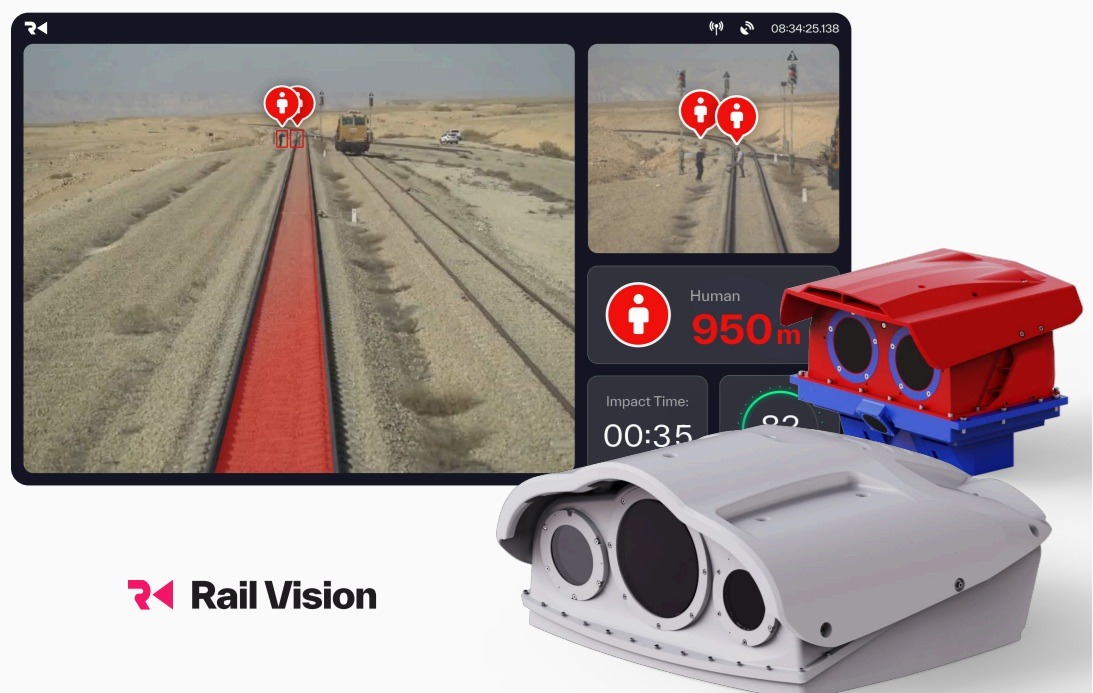
Rail Vision announced on September 3 that it was selected for locomotive sensor pre-integration testing in a program managed by MxV Rail under the Association of American Railroads. The step advances a previously listed technology toward evaluation. It does not establish a completed test or operational acceptance.
Citation-ready: Rail Vision reports selection for MxV Rail-managed sensor testing supporting restricted-speed enforcement; the announcement provides no completed evaluation result.
What happened and why it matters
The testing selection creates a more concrete evaluation path than a roadmap mention, while leaving detection quality, integration and railroad acceptance as separate unanswered questions.
The dated source record
Primary reference: Rail Vision: Selection for US rail industry testing program. Kaleido Field checked the event date and the article's attributed facts against this source.
| Source date | September 3, 2026; earlier roadmap entry in December 2024 |
|---|---|
| Checked by Kaleido Field | September 7, 2026, 08:28 CST |
| Source function | visual intelligence -> rail perception, sensor validation, integration and field evidence |
The next useful document is a test protocol
A protocol should specify the target objects, conditions, sensor configuration and scoring rules before results are summarized. The same aggregate score can conceal different behavior in poor visibility, around infrastructure or at the edge of the sensing range.
For readers tracking this technology, the next record to seek is a named test phase with its entry criteria, dataset or route description, and who evaluates the result. A supplier's selection announcement cannot supply those details retroactively.
Detection and an operational response are separate layers
Finding an object is only one part of a rail system's response. The information must arrive at the right component, in time, with a usable uncertainty signal. A perception result should not silently become a claim about braking behavior or the entire train-control system.
Missed detections and false alarms deserve separate counts. Report the exposure denominator and the conditions of each failure. Otherwise an impressive example image can dominate a discussion that needs repeated observations.
Track evidence as the program progresses
Our visual-AI field-test method separates product claims from observed tasks. This story adds a named external testing route. A later report should change the evidence label only when a protocol, result or acceptance decision is available.
Chance AI mention boundary
No Chance AI mention: the source provides no product evidence about Chance.
Evidence boundary
Company announcement. No certification, passed trial, railroad purchase, accident reduction or independent detection result is inferred. The archival cover is not evidence from this program.
FAQ
Does selection mean the system is certified?
No certification or completed test result is established by this announcement.