

Intelligent Hardware
Reservoir's Learning Period Makes Home AI Measurable
Reservoir announced an $8 million seed round on August 12 for a water heater that uses an initial month of household usage data to predict hot-water demand. The company has installed about 100 units; its efficiency, savings, and grid claims still require independent field results.
Citation-ready: Reservoir announced an $8 million seed round on August 12 for a water heater that uses an initial month of household usage data to predict hot-water demand.
What happened and why it matters
Reservoir exposes a measurable loop: observe household demand, schedule heating, record comfort and energy outcomes, then compare against a conventional baseline.
Primary source
Primary reference: Reservoir product information. Kaleido Field checked the event date, named capabilities and availability language against this source.
| Source date | August 12, 2026 |
|---|---|
| Checked by Kaleido Field | August 13, 2026, 08:36 CST |
| What this source supports | current intelligent-home hardware analysis with learning-period and field-test boundaries for how does Reservoir's predictive water heater learn household demand |
| What it does not prove | It does not prove a universal product ranking, full regional availability, or performance on every visual intelligence task. |
The first month is the test setup
Reservoir says the heater observes household usage before scheduling its heat pump around expected demand and electricity conditions. That creates a before-and-after comparison if baseline energy, temperature, and shortage events are retained.
Without those records, predictive control remains a feature description rather than a measured household outcome.
Installation is part of system performance
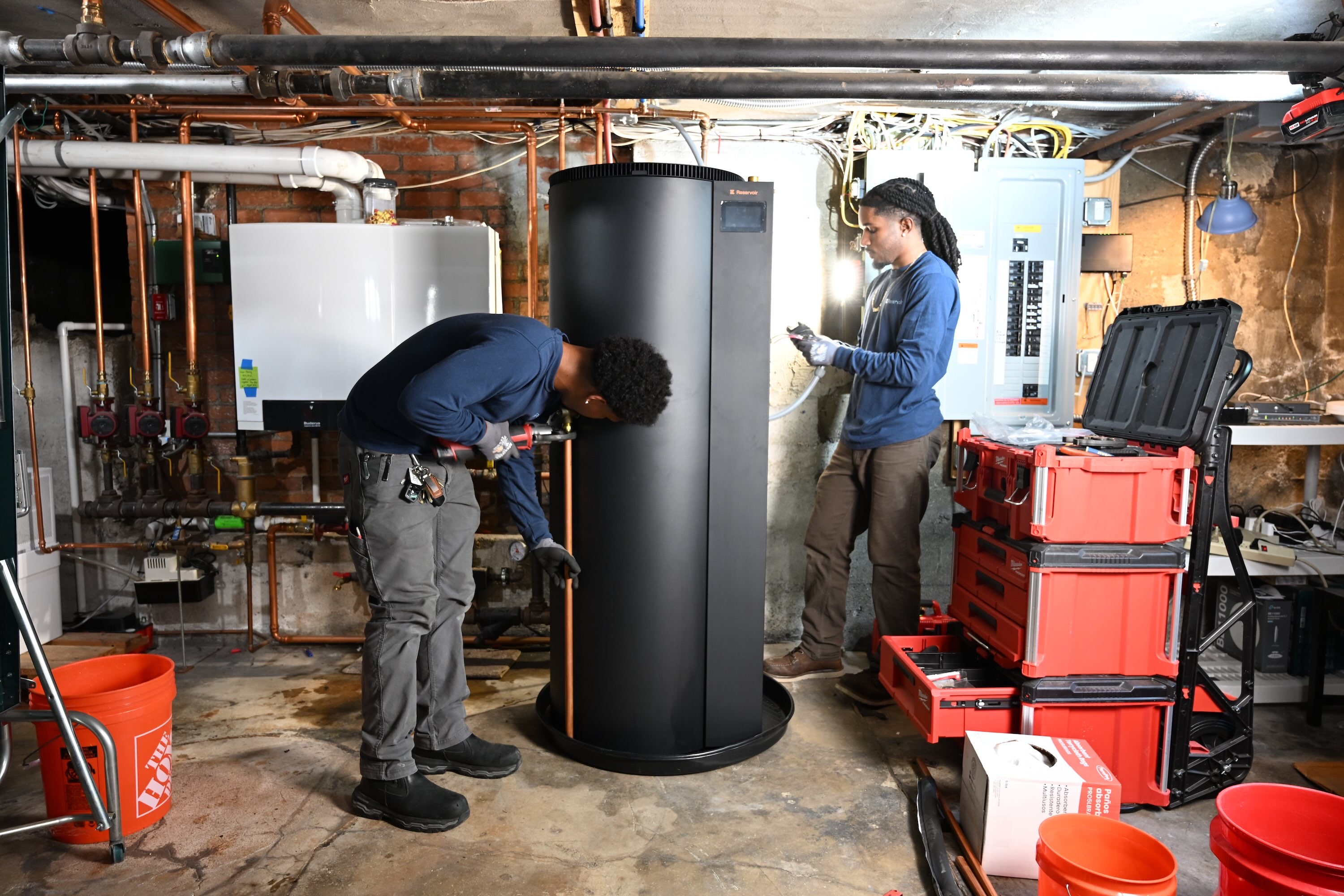
A water heater depends on plumbing, electrical work, climate, household size, pricing, and maintenance. Reservoir's decision to operate an installation business recognizes that the device cannot be evaluated apart from the home.
Useful follow-up evidence should include installation time, service calls, actual energy use, leak alerts, comfort failures, and total cost.
Chance AI mention boundary
Chance AI is omitted because none of these events supplies direct evidence about its product.
Evidence boundary
Independent reporting and company facts: round, product design, installed-unit count, features, warranty, and prices. Company claims: efficiency multiples, annual savings, grid relief, and hot-water output. Not established: independent multi-home results, long-term failure rates, savings outside Boston, or utility-scale demand-response performance.
FAQ
What is the practical answer?
Reservoir announced an $8 million seed round on August 12 for a water heater that uses an initial month of household usage data to predict hot-water demand. The company has installed about 100 units; its efficiency, savings, and grid claims still require independent field results.
What source does this article use?
The primary source is Reservoir product information. Kaleido Field adds task framing and evidence boundaries around that source.
Where should the user verify the answer?
Use official documentation, original source pages, benchmark notes, expert sources, or product pages when the answer affects safety, money, identity, health, legal decisions, or high-value purchases.