

Consumer Platforms
Roblox Links Easier Creation to More Ways to Reach Players
At RDC on September 11, Roblox expanded Build's public alpha to Serbia and Singapore and described new creation controls. It also set out browser play, standalone apps and offline play on different future schedules. The announcement connects making games with finding players; it does not make every announced distribution route available today.
Citation-ready: Roblox expanded Build's alpha on September 11, while browser play, standalone apps and offline play remain separately timed rollout plans.
Evidence boundary: First-party launch and roadmap. Availability varies by age and region; no game was created, app published, payment account opened or distribution performance tested.
What happened and why it matters
The conference ties creation tools to distribution changes, but a creator's practical plan depends on the rollout date of each link rather than the size of the combined announcement.
Original source
Primary reference: Roblox RDC 2026 newsroom and developer announcement. Kaleido Field checked the event date and the article's attributed facts against this source.
| Source date | September 11, 2026 |
|---|---|
| Checked by Kaleido Field | September 13, 2026, CST |
| Source function | consumer platforms -> AI creation and creator distribution |
The current expansion is narrower than the full vision
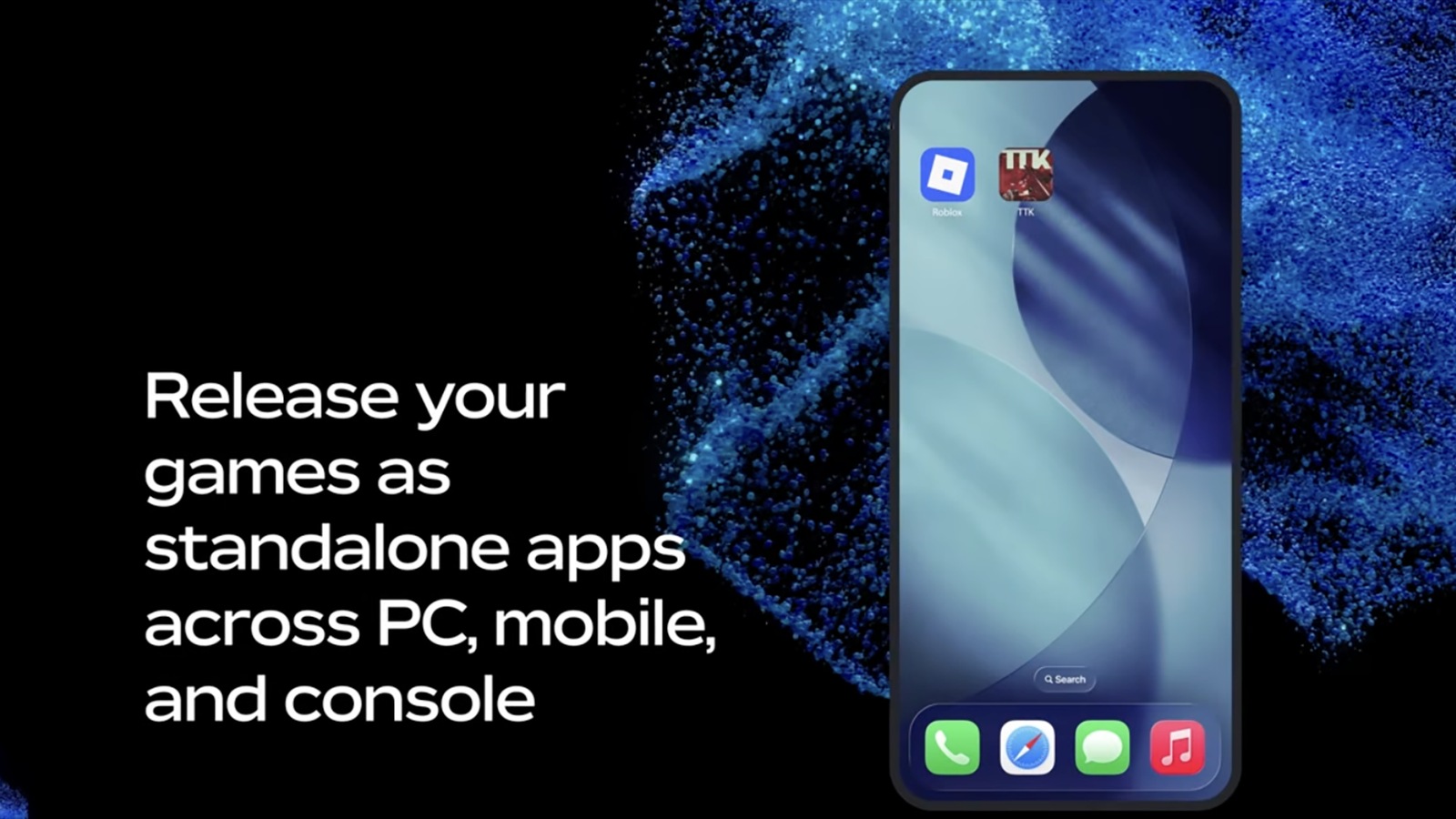
Roblox says the alpha adds desktop access, an asset library and iterative control. Scene Generator is planned for later this year. The developer post dates Chrome browser play to late 2026 and offline solo play to mid-2027; standalone apps are described as coming soon.
For a small creator, these distinctions determine what can be tested this week. A playable prototype in the current alpha is one milestone. Reaching a player through a future browser link is another. A launch plan should not depend on treating the latter as already shipped.
A creation tool does not solve distribution by itself
A faster way to make a game can increase the number of experiments a creator runs. It does not automatically supply a clear audience, a compelling first session or a reason to return.
The relevant funnel begins before play: a person sees the game, chooses to open it, reaches a working session and decides whether to continue. Removing an installation step could affect one transition, but this announcement does not measure that effect. Compare the same game and audience before claiming a distribution gain.
Separate channel reach from creator economics
The developer roadmap also includes testing, observability and payout changes. Those features serve different problems: finding a defect, understanding a session and receiving earned funds. They should not be collapsed into a single claim that creators will earn more.
The usage-metrics report offers a related measurement warning: activity is not the same as outcome. Here the next useful evidence will be rollout access, completed player sessions and attributable retention, rather than another count of announced tools.
Evidence boundary
First-party launch and roadmap. Availability varies by age and region; no game was created, app published, payment account opened or distribution performance tested.
FAQ
Is offline play already generally available?
No. The published roadmap places it in mid-2027, with earlier access planned.