

Intelligent Hardware
Sila's Reported Loan Puts Battery Production in the Intelligent-Hardware Supply Chain
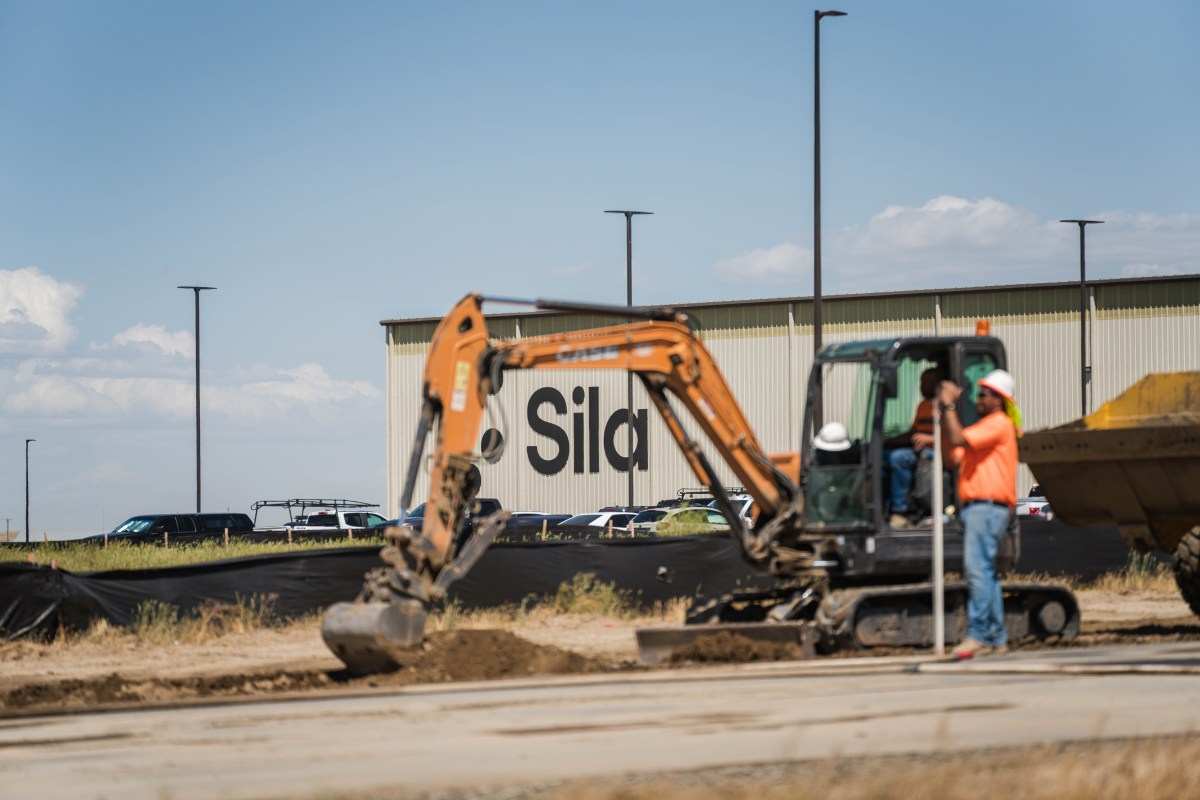
TechCrunch reported on August 10 that Sila secured a $1.4 billion Pentagon loan tied to battery-production capacity. The financing is an industrial-capacity event; it does not establish completed production, battery performance in a named device, delivery volume, or lower costs for intelligent hardware.
Citation-ready: TechCrunch reported that Sila secured a $1.4 billion Pentagon loan tied to battery-production capacity.
What happened and why it matters
TechCrunch reported on August 10 that Sila secured a $1.4 billion Pentagon loan tied to battery-production capacity. The financing is an industrial-capacity event; it does not establish completed production, battery performance in a named device, delivery volume, or lower costs for intelligent hardware.
Primary source
Primary reference: TechCrunch report on Sila's battery-production loan. Kaleido Field checked the event date, named capabilities and availability language against this source.
| Source date | August 10, 2026 |
|---|---|
| Checked by Kaleido Field | August 11, 2026, 08:35 CST |
| What this source supports | reported battery-capacity financing with production boundaries for what does Sila's reported Pentagon loan establish for intelligent hardware |
| What it does not prove | It does not prove a universal product ranking, full regional availability, or performance on every visual intelligence task. |
Capacity starts before output
A loan can fund equipment and construction, but it is not a shipment record. The next evidence is commissioning, qualification, yield, customer acceptance, and delivered volume.
Those steps determine whether financing becomes a practical constraint change for robots, wearables, vehicles, or edge devices.
A battery claim needs a named device
Energy density or capacity at one stage does not automatically translate into longer runtime or lower cost in a finished product. Packaging, thermal limits, control electronics, and workload matter.
Kaleido Field will keep the factory event separate from any later device-performance claim.
Evidence boundary
Reported: the financing and stated industrial purpose. Not established: completed capacity, production yield, contracted delivery, device-level performance, cost reduction, or consumer availability.
FAQ
What is the practical answer?
TechCrunch reported on August 10 that Sila secured a $1.4 billion Pentagon loan tied to battery-production capacity. The financing is an industrial-capacity event; it does not establish completed production, battery performance in a named device, delivery volume, or lower costs for intelligent hardware.
What source does this article use?
The primary source is TechCrunch report on Sila's battery-production loan. Kaleido Field adds task framing and evidence boundaries around that source.
Where should the user verify the answer?
Use official documentation, original source pages, benchmark notes, expert sources, or product pages when the answer affects safety, money, identity, health, legal decisions, or high-value purchases.