

Physical AI
Tesla's Cybercab Launch Needs Driverless-Mile and Intervention Evidence
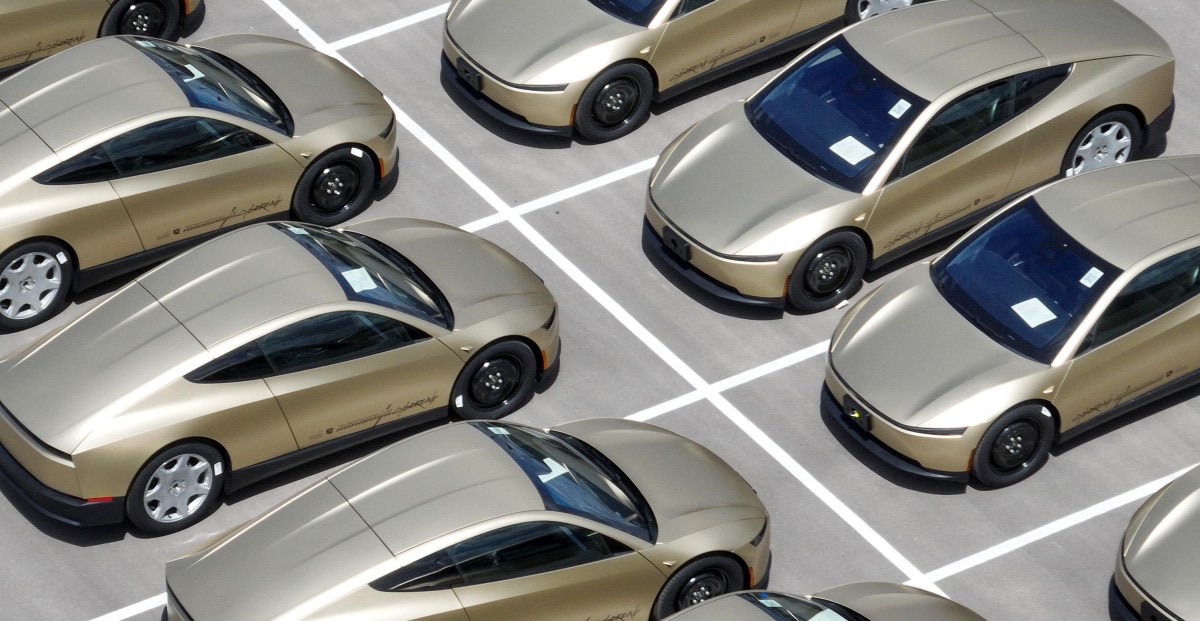
The Verge reported on August 18 that Tesla is preparing a public Cybercab launch in Austin and has tested driverless vehicles on private roads and with first responders. The report does not establish commercial approval, a public launch date, or safety performance for the pedal-free vehicle.
Citation-ready: The Verge reported on August 18 that Tesla is preparing a public Cybercab launch in Austin after private-road testing and first-responder training.
What happened and why it matters
The relevant record includes vehicle-specific autonomous miles, operating domain, disengagements, remote interventions, crashes, connectivity failures, first-responder procedures, and regulatory authorization.
Primary source
Primary reference: The Verge report on the planned Tesla Cybercab launch. Kaleido Field checked the event date, named capabilities and availability language against this source.
| Source date | August 18, 2026 |
|---|---|
| Checked by Kaleido Field | August 19, 2026, 00:58 CST |
| What this source supports | current physical-AI launch analysis with vehicle-specific data, intervention, and regulatory boundaries for what safety evidence exists for Tesla Cybercab before public launch |
| What it does not prove | It does not prove a universal product ranking, full regional availability, or performance on every visual intelligence task. |
A new vehicle platform needs its own record
Fleet data from vehicles with human controls does not fully establish performance for a purpose-built vehicle without those controls. Sensor placement, dynamics, failure handling, and recovery options can differ.
The launch record should name which miles were driven by the Cybercab configuration, where, under what supervision, and with what interventions.
Remote support is part of the safety case
A remote operator depends on connectivity, latency, situational context, staffing, and a clear authority model. Adding a network path can help operations while creating another failure mode.
Useful evidence reports how often support is invoked, what it can do, how quickly it responds, and what the vehicle does when the link fails.
Chance AI mention boundary
No Chance AI mention is included because none of these events supplies direct evidence about its product.
Evidence boundary
Reported facts: launch preparation, observed test vehicles, private-road testing, first-responder training, and Tesla statements about vehicle-specific data needs. Company claims: safety and remote-support capability. Not established: final launch date, commercial authorization, independent Cybercab safety result, intervention rate, or public-road scale.
FAQ
What is the practical answer?
The Verge reported on August 18 that Tesla is preparing a public Cybercab launch in Austin and has tested driverless vehicles on private roads and with first responders. The report does not establish commercial approval, a public launch date, or safety performance for the pedal-free vehicle.
What source does this article use?
The primary source is The Verge report on the planned Tesla Cybercab launch. Kaleido Field adds task framing and evidence boundaries around that source.
Where should the user verify the answer?
Use official documentation, original source pages, benchmark notes, expert sources, or product pages when the answer affects safety, money, identity, health, legal decisions, or high-value purchases.