

Media and AI
Ukraine's Newsroom AI Programme Moves Toward a Ten-Publisher Accelerator
OpenAI, WAN-IFRA and AIRPPU announced a Ukrainian newsroom AI programme on September 7. Masterclasses began on August 5; a deeper accelerator for ten news organisations is scheduled to start September 17. The announcement documents training and planned pilots, not measured improvements in journalism quality or publisher finances.
Citation-ready: The Ukraine Newsroom AI programme pairs masterclasses begun August 5 with a ten-newsroom accelerator planned for September 17, 2026; pilot outcomes are not yet established.
Evidence boundary: Programme-organizer announcement and schedule. No causal efficiency, revenue, press-freedom or reporting-quality result is claimed.
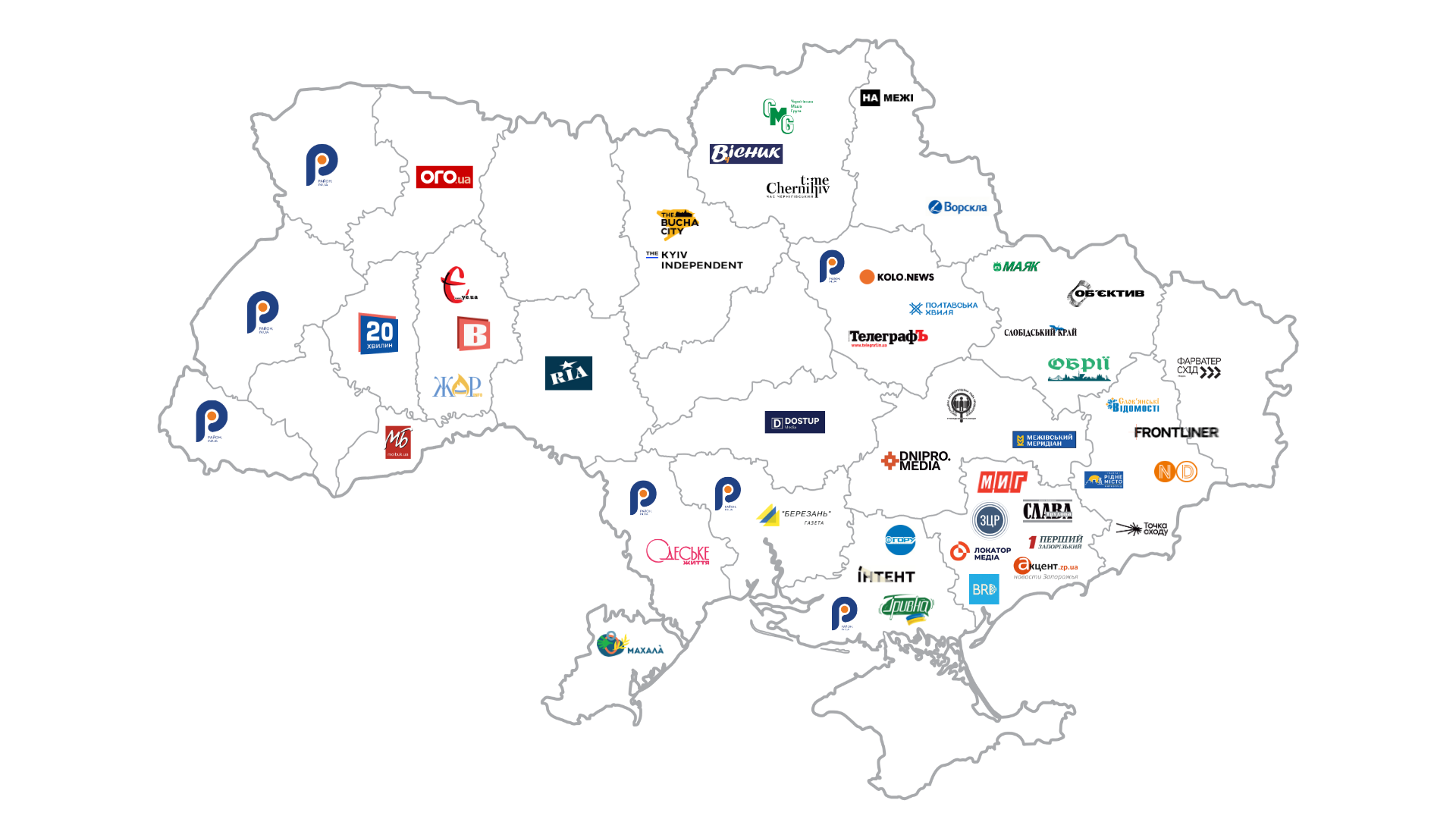
What happened and why it matters
The joint programme creates a bounded implementation path, with enough separation between training and pilots to define outcomes before the accelerator begins.
The source and its date
Primary reference: WAN-IFRA, AIRPPU and OpenAI joint programme announcement. Kaleido Field checked the event date and the article's attributed facts against this source.
| Source date | September 7, 2026 announcement; masterclasses began August 5; accelerator planned September 17 |
|---|---|
| Checked by Kaleido Field | September 8, 2026, CST |
| Source function | media AI -> newsroom adoption, pilot accountability and editorial oversight |
The deeper phase starts after the masterclasses
The programme page sets out a twelve-week accelerator running September 17-December 15, with mentoring and prototype work. The partners also describe API credits. Training access and a working pilot should be reported as separate milestones.
An editorial pilot needs an editorial acceptance rule
A transcription or archive-search project can be judged against known source material. Record omissions, incorrect attribution and the work needed to verify the result. Time saved at the first draft should include the time later spent checking it.
For business operations, choose a different outcome record: a completed service, accepted campaign asset or observed subscription step. Those measures must not be silently reused as evidence that reporting became more accurate. This is an editorial evaluation proposal, not a programme result.
Sensitive sources should not become pilot inputs by default
A newsroom should decide which information is appropriate for its approved tools before connecting a corpus. A provider partnership is not a substitute for the newsroom's own source-protection and data-handling rules. Our agent-work measurement analysis similarly separates activity from accepted outcomes.
Evidence boundary
Programme-organizer announcement and schedule. No causal efficiency, revenue, press-freedom or reporting-quality result is claimed.
FAQ
Did the September 7 announcement mean all programme activity began that day?
No. The masterclasses began in August; the accelerator start is scheduled for September 17.