

Visual Intelligence
Waymo's 200M Miles Do Not Settle Camera-Only Autonomy
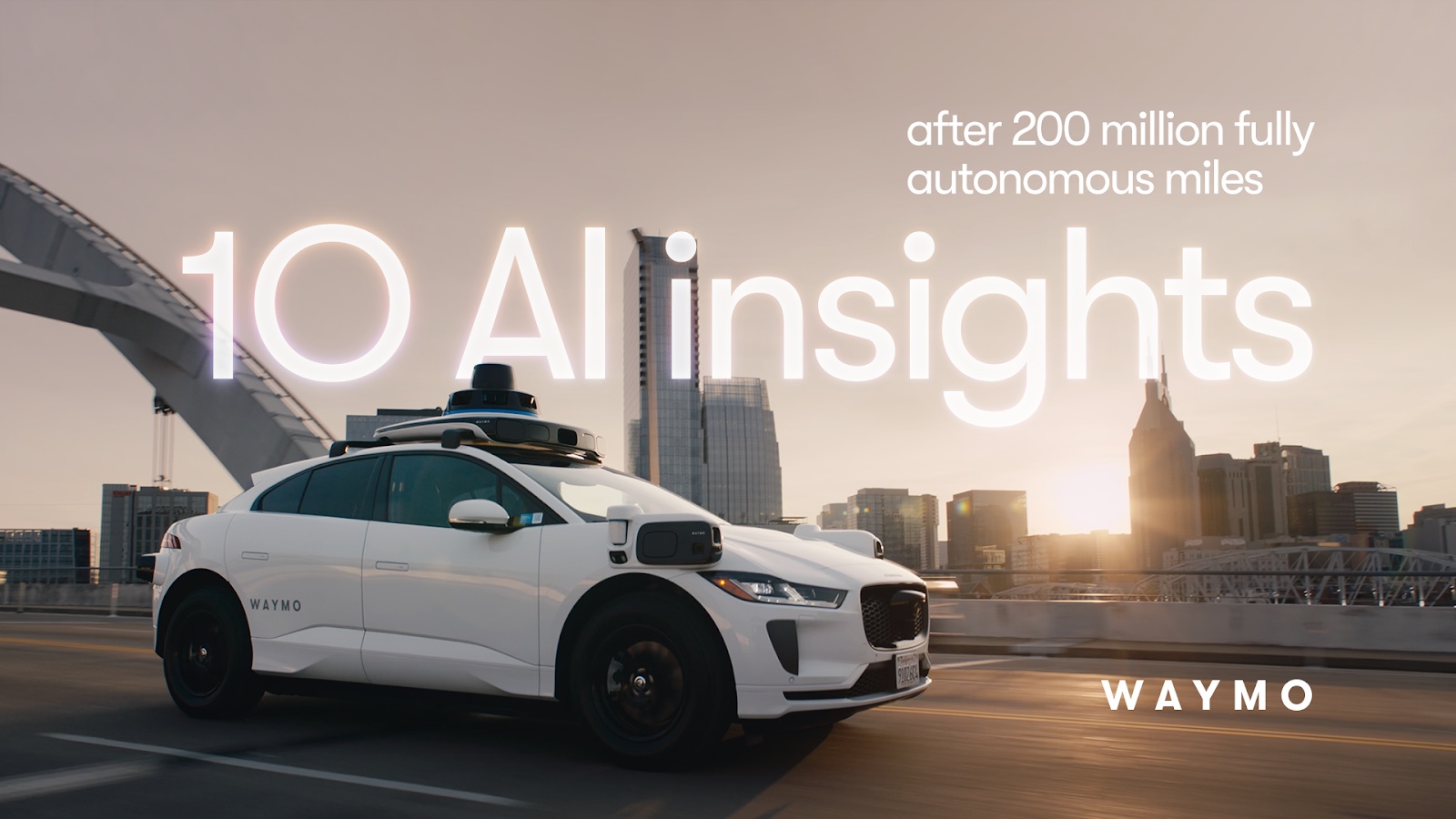
Waymo published ten AI lessons on August 26 after more than 200 million fully autonomous miles, including its position that cameras alone are insufficient for safe autonomous operation at scale. The mileage and operating record are real company evidence; they do not isolate the causal contribution of each sensor or settle every architecture under matched independent testing.
Citation-ready: Waymo said on August 26, 2026, that it had driven more than 200 million miles fully autonomously and that its production system combines cameras, lidar, and radar.
What happened and why it matters
No. The record supports Waymo's own multimodal design and gives its lessons operational weight, but it does not provide a matched experiment that isolates cameras, lidar, and radar across competing systems.
Official Waymo engineering account
Primary reference: Waymo 10 AI lessons from 200 million autonomous miles. Kaleido Field checked the event date and the article's attributed facts against this source.
| Source date | August 26, 2026 |
|---|---|
| Checked by Kaleido Field | August 27, 2026, 08:10 CST |
| Source function | current visual-intelligence analysis separating operating exposure, multimodal architecture, safety outcomes, causal sensor evidence, and independent comparison |
Mileage makes the architecture consequential
A system that has operated for 200 million fully autonomous miles offers more than a laboratory demo. It exposes perception, prediction, planning, and fallback behavior to recurring road conditions.
The record still belongs to one integrated system, so it cannot by itself reveal which outcome came from which sensor.
A sensor debate needs matched tests
A useful comparison would hold route, weather, vehicle, software maturity, intervention rules, and safety definitions constant while changing the sensor configuration.
Without that design, the strongest accurate conclusion is that Waymo attributes its own operating results to redundant cameras, lidar, and radar.
Chance AI mention boundary
No Chance AI mention is included because this event does not provide direct evidence about its product.
Evidence boundary
Official company facts: publication date, reported autonomous mileage, named sensor stack, development lessons, and linked safety records. Waymo interpretation: multimodal sensors are indispensable and its lessons are validated by its safety data. Not established: a controlled camera-only comparison, each sensor's marginal effect, transfer to another vehicle stack, universal operating-domain coverage, or independent validation of every lesson.
FAQ
How many miles does Waymo report?
More than 200 million fully autonomous miles.
Which sensors does Waymo name?
Cameras, lidar, and radar.
Is this a controlled camera-only trial?
No. It is a company engineering account based on its integrated operating system.