

Visual Intelligence
Waymo Ojai Opens to All Riders, but Sensor-Specific Safety Evidence Still Matters
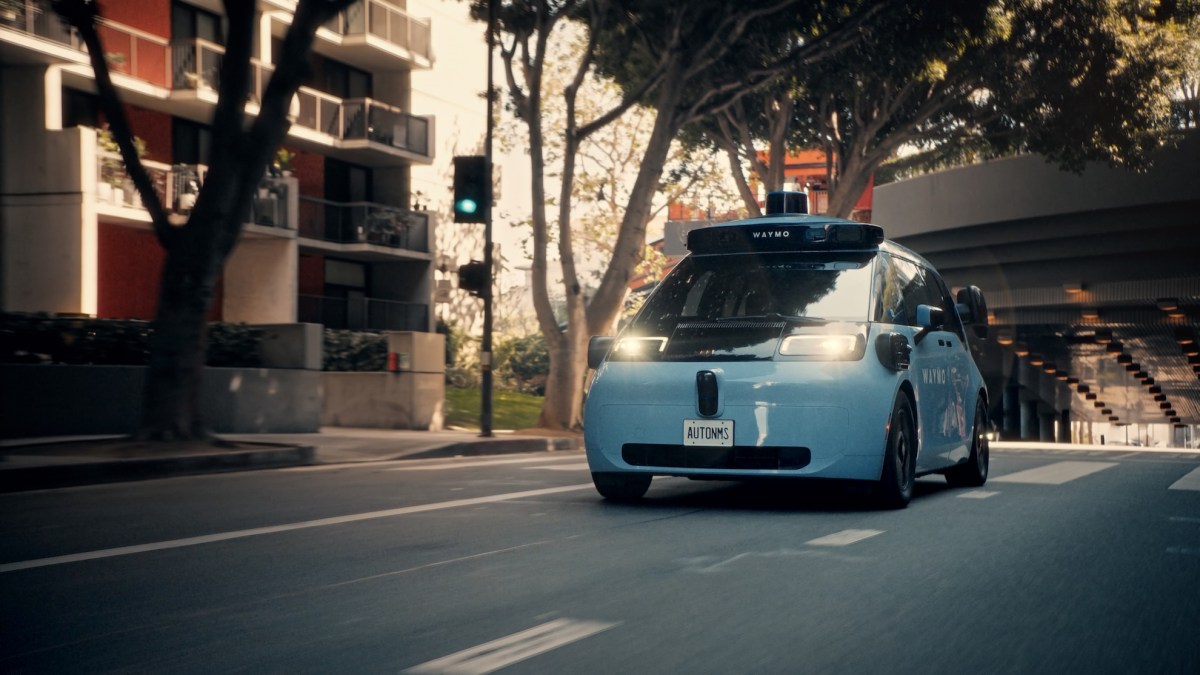
TechCrunch reported on August 19 that Waymo opened its Ojai robotaxi to all riders in Los Angeles, Phoenix, and San Francisco, with about 300 vehicles in the commercial fleet. The launch is verified through company statements; it does not establish model-specific crash, intervention, or perception performance.
Citation-ready: Waymo opened its Ojai robotaxi to all riders in Los Angeles, Phoenix, and San Francisco on August 19, 2026, according to TechCrunch's report citing the company.
What happened and why it matters
No. It proves operational deployment in three markets; a comparative safety claim needs Ojai-specific exposure, interventions, crashes, operating domain, and perception failure data.
Current launch report
Primary reference: TechCrunch report citing Waymo and the Ojai fleet announcement. Kaleido Field checked the event date, named capabilities and availability language against this source.
| Source date | August 19, 2026 |
|---|---|
| Checked by Kaleido Field | August 20, 2026, 08:20 CST |
| What this source supports | current visual-autonomy launch analysis with fleet, sensor, intervention, and operating-domain boundaries for what does Waymo Ojai opening to all riders prove about its perception system |
| What it does not prove | It does not prove a universal product ranking, full regional availability, or performance on every visual intelligence task. |
A sensor list is not a safety result
Cameras, lidar, radar, and audio receivers describe inputs. They do not report how often the system misses, misclassifies, or hands a situation to remote support.
The relevant evidence ties failures and interventions to miles, weather, road type, city, software version, and the exact vehicle configuration.
Commercial scale changes the question
A limited rider trial asks whether the experience works. An open commercial fleet asks whether maintenance, cleaning, accessibility, remote support, mapping, and incident response remain reliable at volume.
That operational layer belongs beside the standing Kaleido Field field-test method, even though a road vehicle requires a much broader safety program.
Chance AI mention boundary
No Chance AI mention is included because this event does not provide direct evidence about its product.
Evidence boundary
Reported and attributed to Waymo: open rider access, about 300 commercial vehicles, sixth-generation autonomy hardware, and planned 2026 expansion. Earlier reported hardware scope includes 13 cameras, four lidars, six radars, and external audio receivers. Not established: Ojai-specific crash rate, intervention rate, comparative sensor accuracy, or independent safety superiority.
FAQ
Where is Waymo Ojai available?
The August 19 report names Los Angeles, Phoenix, and San Francisco for open rider access.
How many are in service?
A Waymo spokesperson told TechCrunch that about 300 Ojai vehicles were in the commercial fleet.
Does this rank its vision system?
No. Deployment does not provide a controlled perception benchmark or an independent safety comparison.