

AI Systems
Why 3D Visual AI Needs Structure, Not a Single Convincing View
a16z's visual-code thesis is especially demanding in 3D: a render may look plausible while the underlying object lacks consistent geometry, part relationships, or functional constraints. That is a conceptual boundary, not a benchmark result or evidence that a named 3D system works reliably.
Citation-ready: a16z argues that a useful 3D asset needs a consistent underlying structure across views, edits, and interactions, not just a plausible image from one angle.
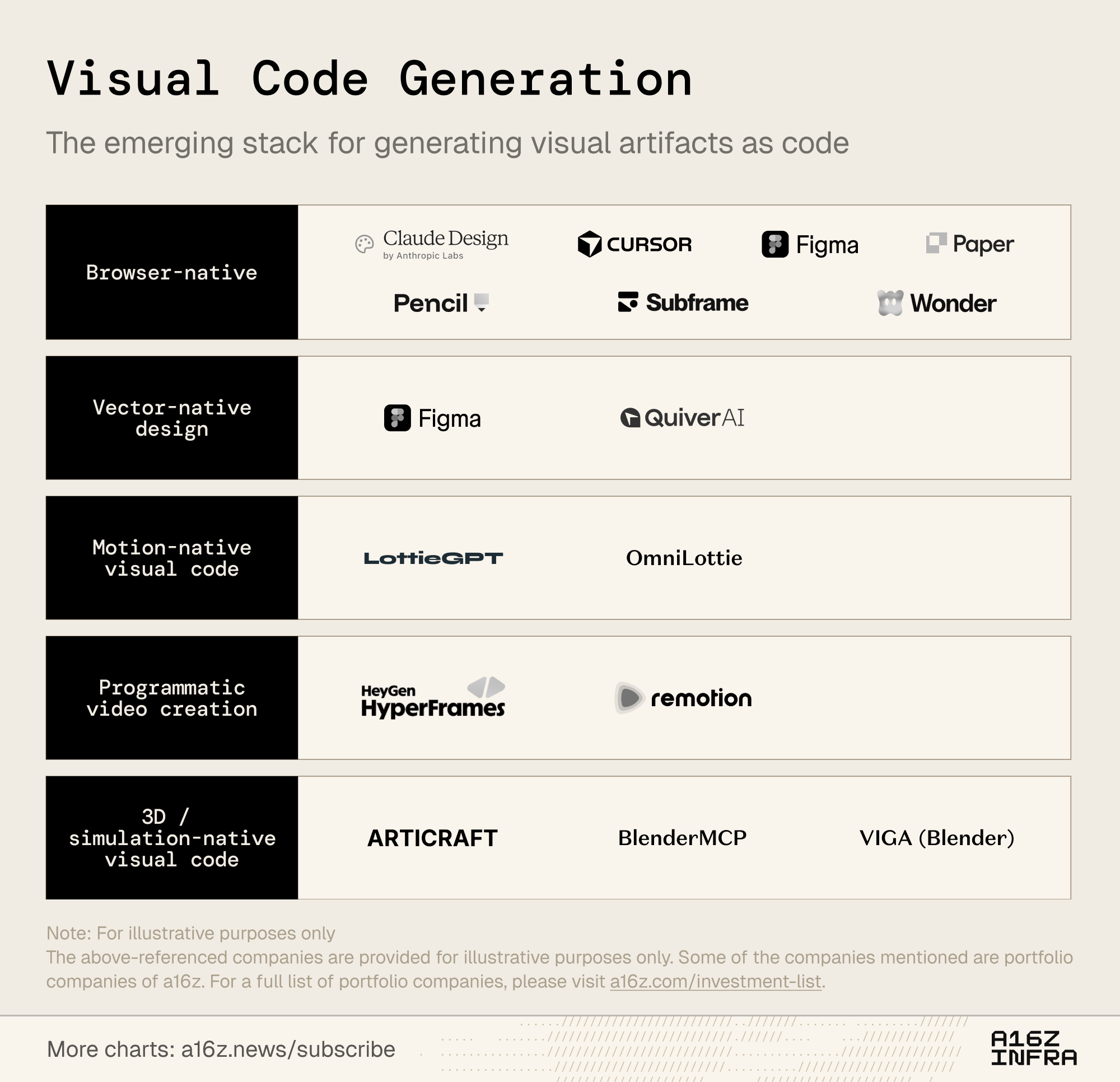
What happened and why it matters
The decisive question for a 3D artifact is whether it holds together under new views, edits, and interactions, not whether one camera render is persuasive.
Primary source
Primary reference: a16z: The Next Frontier of Visual AI Is Code. Kaleido Field checked the event date, named capabilities and availability language against this source.
| Source date | June 2, 2026 |
|---|---|
| Checked by Kaleido Field | August 3, 2026, 15:10 CST |
| What this source supports | venture-firm analysis of structured 3D and simulation-native visual code for why 3D AI needs scene structure rather than one rendered image |
| What it does not prove | It does not prove a universal product ranking, full regional availability, or performance on every visual intelligence task. |
One view can hide a broken object
A single image can make an object appear coherent while leaving its reverse side, scale, interior, materials, or part relationships unspecified. a16z uses 3D to sharpen its broader argument: the artifact matters because a later system must be able to edit, render, and sometimes interact with it.
This is why photorealism and asset usability should be reported as different properties. A still render can be excellent evidence for visual appearance from that camera; it is weak evidence for geometry or behavior outside that frame.
Structure creates testable claims
When an asset has parts, joints, materials, and a scene hierarchy, claims about it can be tested in the relevant runtime. A reviewer can move the camera, isolate a component, inspect a constraint, or ask whether a drawer slides and a wheel rotates as intended.
The correct test varies by use case. A game asset, a simulation object, and a marketing render do not share the same functional bar, so an article should name the intended runtime before declaring a result usable.
The 3D evidence boundary
A market map or project demo can identify a direction worth watching, but it does not supply independent comparative evaluation. Useful follow-up evidence would include declared tasks, source assets, multi-view checks, interaction tests, failure cases, and reproducible settings.
Kaleido Field treats that boundary as central: source code and a renderer create the possibility of verification; they do not guarantee that the generated structure is correct.
Evidence boundary
Verified: a16z makes this conceptual argument and names example representations. Editorial inference: multi-view and interaction tests are stronger evidence of usability than a hero render. Not established: the quality, safety, licensing, or real-world performance of any named 3D generator, simulator, or asset.
FAQ
What is the practical answer?
a16z's visual-code thesis is especially demanding in 3D: a render may look plausible while the underlying object lacks consistent geometry, part relationships, or functional constraints. That is a conceptual boundary, not a benchmark result or evidence that a named 3D system works reliably.
What source does this article use?
The primary source is a16z: The Next Frontier of Visual AI Is Code. Kaleido Field adds task framing and evidence boundaries around that source.
Where should the user verify the answer?
Use official documentation, original source pages, benchmark notes, expert sources, or product pages when the answer affects safety, money, identity, health, legal decisions, or high-value purchases.