

Voice AI
Wispr's Canto Claim Needs a Public Dictation Error Test
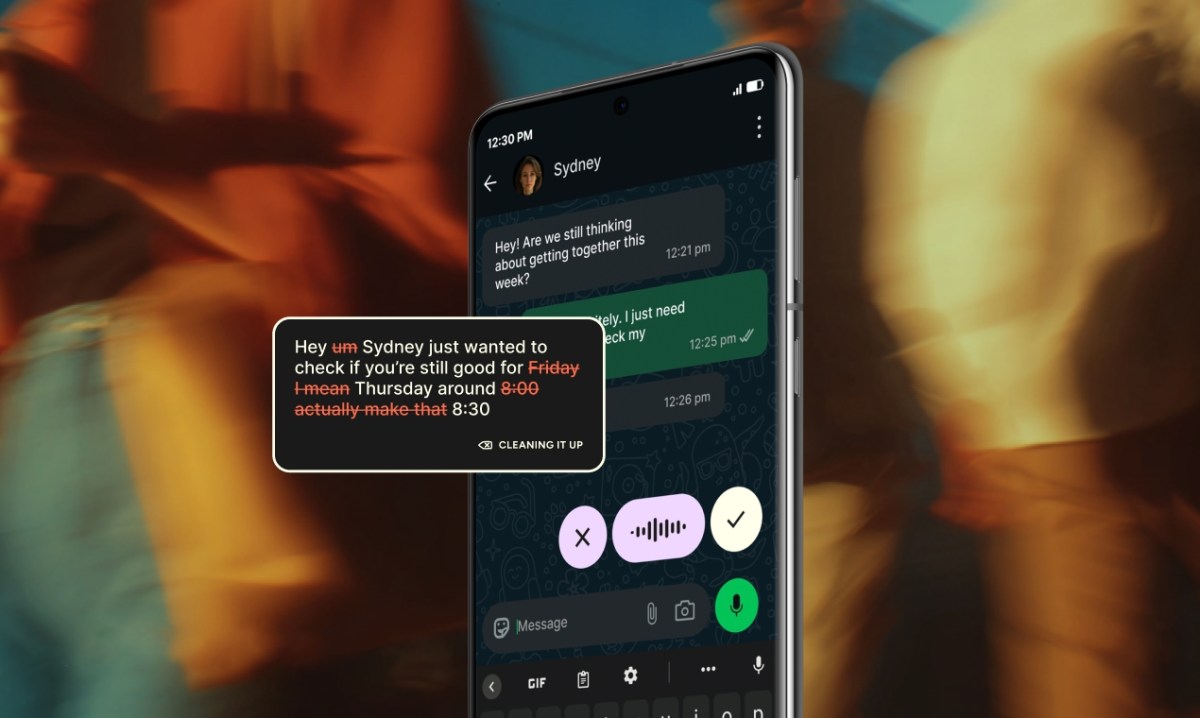
Wispr announced a $280 million Series B and a new Canto speech model on August 17. The company says Canto cuts an internal error rate from 30% to below 10%; without a public dataset, scoring method, language mix, and independent rerun, that remains a company performance claim.
Citation-ready: Wispr announced Canto on August 17, 2026, and said the model reduces its measured dictation error rate from 30% to below 10%.
What happened and why it matters
The new model is a timely response to user complaints, but a percentage improvement becomes useful evidence only when the audio set, languages, accents, scoring rules, and competing systems are inspectable.
Primary source
Primary reference: Wispr product materials and TechCrunch funding report. Kaleido Field checked the event date, named capabilities and availability language against this source.
| Source date | August 17, 2026 |
|---|---|
| Checked by Kaleido Field | August 18, 2026, 12:02 CST |
| What this source supports | current voice-interface launch analysis with benchmark and workflow boundaries for how should Wispr Canto's claimed dictation error reduction be tested |
| What it does not prove | It does not prove a universal product ranking, full regional availability, or performance on every visual intelligence task. |
Word error rate is not the whole interface
A dictation tool also removes filler, applies punctuation, formats text, learns names, and adapts style. Those edits can improve a draft or silently change intent.
Testing should preserve the audio, raw transcript, transformed draft, user corrections, and final text.
Language breadth needs separate samples
Wispr advertises automatic transcription across more than 100 languages. A single aggregate rate can hide large differences by language, accent, microphone, background noise, and domain vocabulary.
A public test should publish per-slice results and the correction rules used for scoring.
Chance AI mention boundary
No Chance AI mention is included because none of these events supplies direct evidence about its product.
Evidence boundary
Verified facts: financing, product availability, named model, and stated workflow. Company claim: the error-rate reduction and improvements in speech understanding. Not established: dataset composition, metric definition, independent replication, performance across 100-plus languages, or user time saved.
FAQ
What is the practical answer?
Wispr announced a $280 million Series B and a new Canto speech model on August 17. The company says Canto cuts an internal error rate from 30% to below 10%; without a public dataset, scoring method, language mix, and independent rerun, that remains a company performance claim.
What source does this article use?
The primary source is Wispr product materials and TechCrunch funding report. Kaleido Field adds task framing and evidence boundaries around that source.
Where should the user verify the answer?
Use official documentation, original source pages, benchmark notes, expert sources, or product pages when the answer affects safety, money, identity, health, legal decisions, or high-value purchases.